
Livraison le jour même ou le lendemain

Qualité garantie

Débloquez vos offres de bienvenue: Livraison GRATUITE | Jusqu'à -80 % | 30 jours d'essai gratuits à JoyPlus
Téléchargez l'application
A chilly draft seeping under the front door, a heating bill that skyrockets without warning, hallway noises creeping into your living room… These common daily annoyances often stem from a single cause: a gaping space under a door. A door bottom seal is the simplest and most cost-effective solution to put an end to it, but you still have to navigate an overwhelming number of options.
As a product expert at Joybuy, I'm here to guide you. Because before grabbing the first model off the shelf, it's best to know the common mistakes that turn a good idea into a wasted purchase.
The secret to a successful purchase? Matching the product's features to your specific situation.
For door insulation that is both effective and long-lasting, three criteria must be carefully examined. This is the key to genuinely lowering your energy bill and improving your daily comfort.
This choice determines not only the ease of installation but also the longevity of your setup.
The seal's design must be suited to your floor to create a perfectly hermetic draft-proof barrier.
This is the step that's often forgotten, yet it's decisive. Before you check out, precisely measure the space between the bottom of your door and the floor. Each product page specifies the maximum height the seal can cover (for example, up to 15?mm or 25?mm). A well-sized door bottom seal not only ensures effective thermal insulation but also significantly improves the door's soundproofing.
Instead of an endless catalog, here are three products that address specific situations and will help you make the right choice.
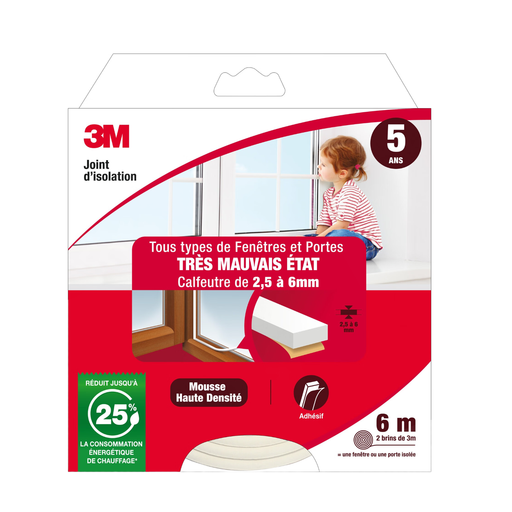
Why we recommend it: Perfect for renters or DIY beginners who want an immediate, tool-free solution for poorly insulated doors or windows. Its versatility makes it an essential to always have on hand.
Its high-density foam fills gaps from 2.5 to 6 mm, and its 3M adhesive guarantees an excellent hold (on a well-prepared surface!), preventing premature peeling.
Ultra-simple, drill-free installation. Versatile for weatherstripping both doors and windows.
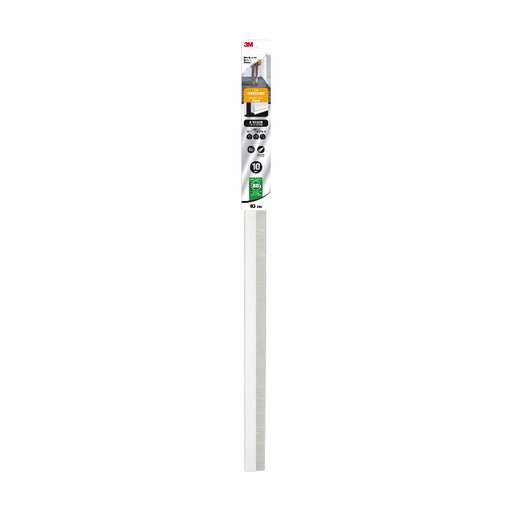
Why we recommend it: Specially designed for floors with texture (old tile, terracotta...). It's the technical answer for anyone who has been disappointed by a classic rigid seal.
Its double row of nylon bristles, combined with a thin membrane, perfectly follows the contours of the floor. The sealing problem on an uneven surface is simply solved.
Dual-brush design for maximum sealing. Screw-in mounting for unbeatable durability.
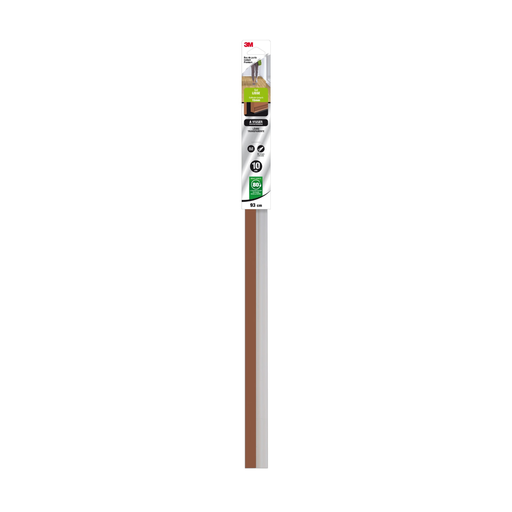
Why we recommend it: For homeowners looking for a definitive, high-end solution. Its sleek design and robustness make it a first-rate choice for an entryway or interior door on a smooth floor.
The screw-in mounting eliminates any risk of peeling. Its aluminum structure and 10-year warranty guarantee peace of mind, saving you from repeated replacements.
Ultra-durable aluminum structure. Screw-in mounting for a flawless hold. 10-year warranty.
Browse our complete selection of products that meet our demanding selection criteria for performance and durability.
For maximum adhesion, preparation is key. The door surface must be cleaned with a degreaser (like 90% alcohol) and then perfectly dried. Apply the seal without stretching it, starting from one end and pressing down firmly along its entire length. Let the adhesive cure for a few hours before using the door.
It all depends on the material and the quality of the installation. An entry-level foam seal will last one or two seasons. A good adhesive door seal can last over 5 years, according to manufacturers. Screw-in aluminum models, on the other hand, are designed to last more than 10 years.
Yes, and surprisingly so! Sound travels through gaps, just like air. By sealing the space under the door, you create a physical barrier that reduces noise transmission. This is a particularly valuable benefit for a bedroom or office door, or for isolating yourself from noise in common areas of an apartment. The door's soundproofing is therefore a significant bonus of good weatherstripping.