
Livraison le jour même ou le lendemain

Qualité garantie

Débloquez vos offres de bienvenue: Livraison GRATUITE | Jusqu'à -80 % | 30 jours d'essai gratuits à JoyPlus
Téléchargez l'application
An icy draught seeping in under the front door, heating bills that climb for no apparent reason, or street noise disrupting your peace and quiet... Does this scenario sound familiar? It often points to faulty door and window insulation. The market is flooded with solutions, but be warned: not all are created equal. Before you start, it's best to know the common mistakes that can turn a well-intentioned purchase into a waste of time and money.
As a product expert at Joybuy, I'm here to separate fact from fiction for you. Here are the 3 traps you must absolutely avoid:
To achieve real energy savings and regain lasting comfort, there's one golden rule: choose a solution that is perfectly suited to your needs.
To ensure you make the right choice, examine these three key points before any purchase. The performance and longevity of your installation depend on getting them right.
This is the first criterion. It determines both the effectiveness of the thermal insulation and its durability over time.
This is a non-negotiable step. Before buying, precisely measure the space between the frame and the moving part of your window, or between the bottom of your door and the floor. This measurement, in millimetres, will guide you to the right product. A seal that's too thin won't make contact, while one that's too thick will prevent the door or window from closing properly.
The installation method has a direct impact on the sturdiness and lifespan of your setup.
To move from theory to practice, here are a few concrete scenarios and the products that perfectly address them.
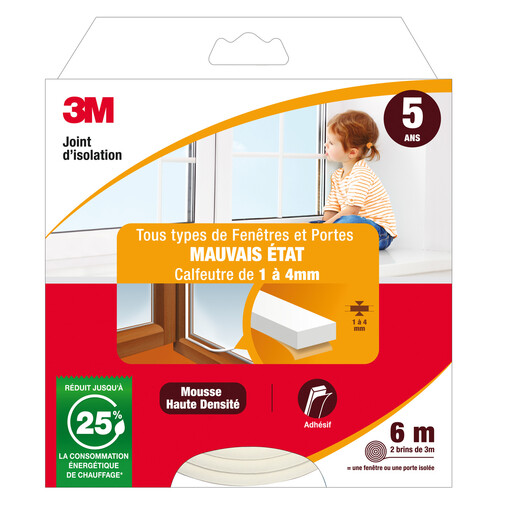
Why it's the right choice: This is a simple, cost-effective solution for the occasional DIYer looking to quickly fix draughts on older windows. It's easy to install and requires no special tools.
This seal targets a specific gap size (1 to 4 mm), avoiding the "one-size-fits-all" problem. Its ultra-soft foam composition is clearly intended for a defined use, which helps manage expectations about its lifespan and prevent disappointment.
Quick installation and immediate effectiveness on small draughts. According to the manufacturer, it can reduce heating energy consumption by up to 25%.
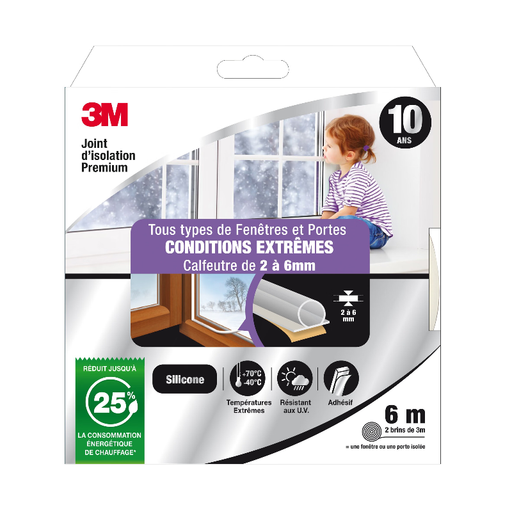
Why it's the right choice: Perfect for the discerning homeowner seeking a very long-term solution. It's ideal for frames exposed to harsh conditions (sun, frost) and for filling significant gaps (2 to 6 mm).
It directly counters the unsuitable material trap. The high-quality silicone is resistant to UV rays and extreme temperatures, ensuring stable performance for years where a low-end seal would degrade.
Exceptional durability. The manufacturer states a lifespan of at least 10 years under normal conditions, making it a cost-effective long-term investment.
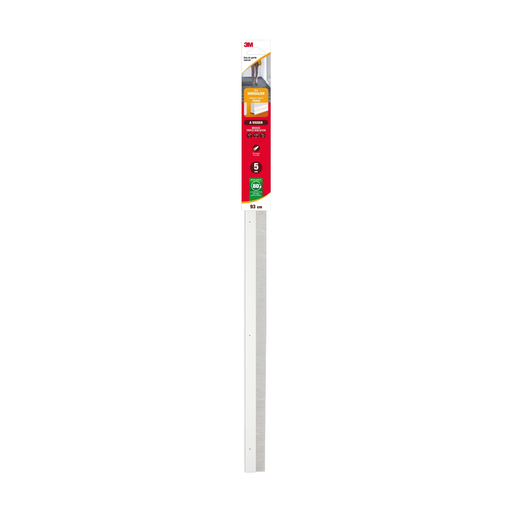
Why it's the right choice: This is the dedicated solution for specific cases, especially older homes with tile or parquet flooring that is no longer perfectly flat. It fills large gaps up to 15 mm.
It bypasses the trap of unsuitable fastening. Where an adhesive would fail, the screw-on fixture ensures a solid and lasting hold. Its double row of brushes adapts to floor imperfections for a continuous seal.
Optimal sealing even on difficult surfaces. It effectively blocks draughts, dust, and moisture from getting under the door.
Some situations, like the junction between two types of flooring under a door, require specific solutions. We have selected a range of products that meet these same quality standards.
The longevity of an adhesive door seal or window seal depends mainly on its material and exposure. An entry-level foam seal will need to be replaced every 1 to 2 years. In contrast, a good quality rubber seal can last over 5 years, while a silicone seal can last 10 years or more, even in harsh conditions.
Proper preparation is the key to a lasting bond. The surface must be perfectly clean, dry, and smooth. Use a cloth soaked in rubbing alcohol or a degreaser to remove all traces of dust, grease, or old adhesive residue. Let it dry completely before applying the new seal, taking care not to stretch it during application.
Absolutely. A door bottom also significantly improves sound insulation. By blocking the passage of air, it also blocks a portion of sound waves. The most effective models are those that combine a dense physical barrier (like a rubber or PVC lip) with brushes, creating a dual obstacle for both sound and air. It's a two-in-one solution for enhancing both thermal and acoustic comfort.