
Livraison le jour même ou le lendemain

Qualité garantie

Débloquez vos offres de bienvenue: Livraison GRATUITE | Jusqu'à -80 % | 30 jours d'essai gratuits à JoyPlus
Téléchargez l'application
By the Joybuy editorial team, July 16, 2026
Choosing a doll? Child's play, you might think. Yet, when faced with shelves overflowing with different models, sizes, and features, it can quickly become a puzzle. Should you go for a classic baby doll, an interactive doll, or a fashion doll? This guide is here to shed some light and help you find THE gift that's sure to be a hit, based on your child's age, interests, and development.
Before you start shopping, here are a few key points to keep in mind to make the right choice.
The age recommended by manufacturers isn't just for show. It ensures the toy's safety and its suitability for the child's abilities.
Observing your child at play is the best clue you'll get.
Today, a doll can do much more than just "be there." An interactive doll can cry, laugh, or even repeat words. These features enrich the play experience, especially for language development with a talking doll. Be careful not to overstimulate the child, however: choose a level of interactivity appropriate for their age and sensitivity.
To help you make your choice, here are three models that caught our eye, each meeting different needs and age ranges.
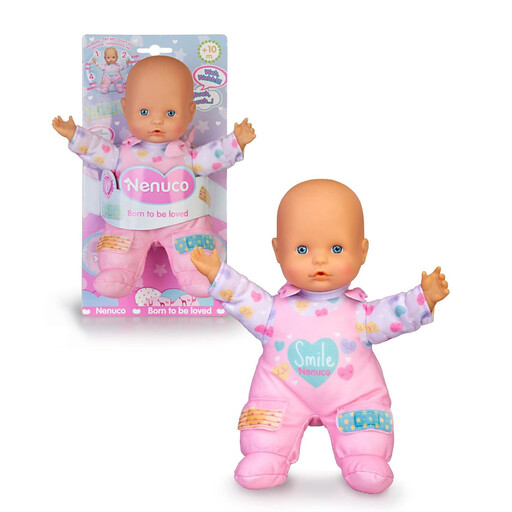
What Makes It Special
This Nenuco baby doll is a true invitation to play doctor. The child can "treat" the doll's little boo-boos, an excellent way to develop empathy and make everyday scrapes less scary. Its soft body makes it especially nice to cuddle.
Key Features
Who is it for?
This is the ideal gift for a first nurturing toy, especially for a child aged 10 months to 2 years who is starting to show interest in role-playing and caring for others.
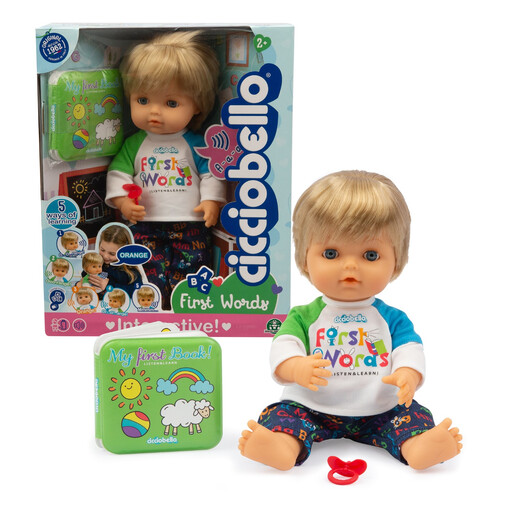
Its Strong Suit
The Cicciobello First Words is an interactive doll that supports a child's first steps in language. Its ability to repeat words in different ways (slowly or immediately) creates an interaction that is both fun and educational.
Key Features
For what age?
This talking doll is designed for children from 2 years old. It's perfect for those experiencing a language explosion and who enjoy interactive toys.
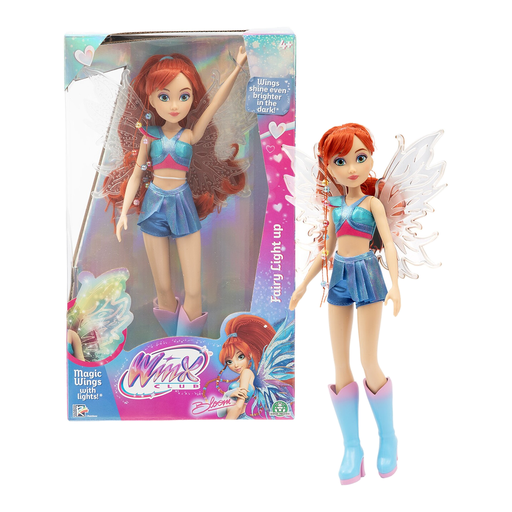
What We Loved
This fashion doll from the Winx universe transports children to a magical world. Its removable light-up wings add a touch of magic that stimulates the imagination, allowing them to recreate adventures from the series or invent new ones.
Key Features
Who is it for?
For children aged 3 and up, and especially for fans of the Winx Club universe, magic, and fairy tales. It's an excellent prop for narrative play.
This selection is, of course, just a glimpse of the possibilities. Because every child is unique, the best choice will always be yours. If you want to explore other worlds, sizes, or features, feel free to browse our full catalogue.
? See all our dolls and baby dolls
You can give a first doll as early as 10-12 months. At this age, it's best to choose a very simple baby doll with a soft, fabric body, no small parts that could be swallowed, and an appropriate size (like a 25 cm doll).
A baby doll is a representation of a baby. It is mainly used for nurturing play (mothering, caring). The more generic word doll can also refer to a fashion doll, which represents an older character (child, teenager, or adult) and serves as a prop for imaginative and narrative play.
It all depends on its materials. For a soft-bodied doll, surface cleaning with a damp cloth and a little mild soap is often sufficient. For hard-bodied plastic dolls, cleaning with soap and water is possible, taking great care not to submerge any electronic parts or the battery compartment. In any case, the first step should always be to consult the manufacturer's instructions before you begin.