
Livraison le jour même ou le lendemain

Qualité garantie

Débloquez vos offres de bienvenue: Livraison GRATUITE | Jusqu'à -80 % | 30 jours d'essai gratuits à JoyPlus
Téléchargez l'application
Choosing dog food is not simply a matter of trusting the picture on the packet or the words ‘rich in meat’. Between dog kibble, wet food, grain-free recipes and formulas for sensitive pets, differences in ingredients, packaging and price can be significant.
To make the right choice, start with three checks: the complete food designation, whether it suits your dog’s profile and the product’s actual ingredients. Here are the criteria to review before filling your basket.
A packet may prominently feature chicken, lamb or duck without that protein accounting for all the animal-derived ingredients. To get a clear picture, check the detailed list: stated proportions, the presence of animal by-products, cereals, pulses, fats and nutritional additives.
The description ‘chicken dog food’ therefore does not necessarily mean ‘a single source of protein’. If this is important to you, look for a recipe explicitly described as a single source of animal protein, then check that the ingredients list confirms this claim.
Grain-free dog kibble generally replaces cereals with potatoes, peas, lentils or other sources of starch. This may suit a particular preference or need, but it is not enough to determine whether the food is balanced.
A complete dog food must provide the nutrients required for the life stage stated on the packaging. If you suspect a food reaction, it is better to ask a vet for advice than to keep changing recipes.
Wet dog food contains a large amount of water. Its stated protein content — 8 to 11%, for example — cannot be compared directly with kibble, which contains around 10% moisture. You also need to consider how many tins, trays or pouches are required each day.
If you choose mixed feeding, reduce the amount of kibble when adding wet food. The recommendations on the packaging provide a starting point; the portion should then be adjusted according to your dog’s weight, activity level and body condition.
Start by checking the legal designation: ‘complete food for dogs’ or equivalent wording. Complementary food, broth or a treat cannot replace main meals.
Age is just as important. Adult dog food does not necessarily meet the needs of a puppy, senior dog or highly active pet. For small breeds, the size of the pieces and energy density can make eating easier. However, a small-breed dog food formula should be chosen according to your dog’s actual weight, not solely its breed.
In particular, check:
High-protein dog food may suit some active animals, but the stated percentage alone is not enough to assess a recipe. The portion also depends on the total energy intake, the food’s digestibility and the amount actually served.
A 12 kg bag means you can shop less often, but it must be stored in a cool, dry place away from light. Opened tins and trays of dog food should generally be kept in the fridge and consumed within the period stated on the packaging.
Introduce a new food gradually over around seven days, unless the manufacturer advises otherwise. This gentle transition helps limit abrupt changes in texture and composition.
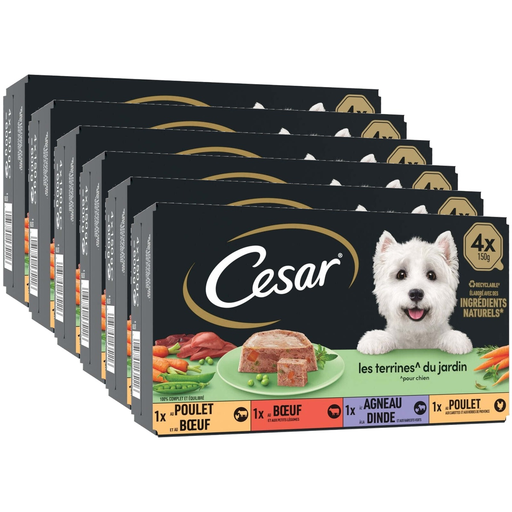
Why this choice suits this profile : This pack of 24 x 900 g trays lets you vary the recipes for an adult dog, while displaying the complete and balanced food designation.
The four varieties and feeding recommendations make comparison easier, without relying solely on a visual promise on the packaging.
24 trays, stated moisture content of 83 %, and no added sugars or artificial flavourings according to the product information.
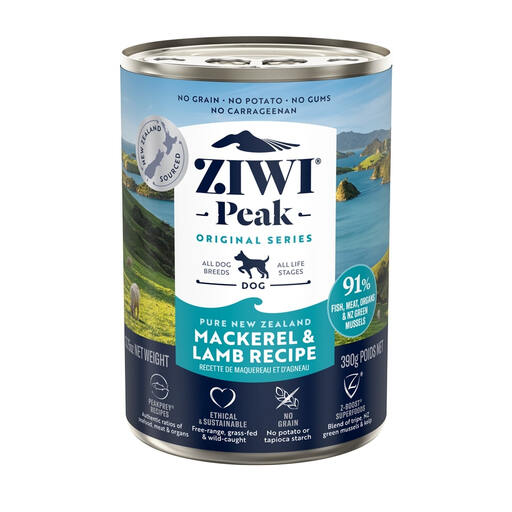
Why this choice suits this profile : This wet dog food is aimed at owners looking for a grain-free recipe made with mackerel, lamb, offal and green-lipped mussel.
The composition details the animal species used and specifies that it is complete food for dogs, rather than relying on a broad claim.
390 g format, at least 10.5 % crude protein and a recommended transition over 7 to 10 days.
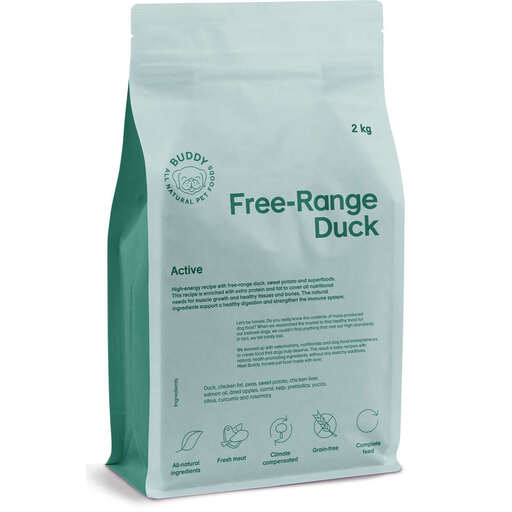
Why this choice suits this profile : This dry recipe is intended for large, active dogs. It focuses on duck and provides an energy density that should be taken into account when calculating the portion.
The analytical constituents and energy value are clearly stated: 36 % crude protein, 18 % fat and 4 000 kcal/kg.
44 % duck in protein form, 26 % fresh duck and a practical 2 kg format for testing tolerance before moving to a larger bag.
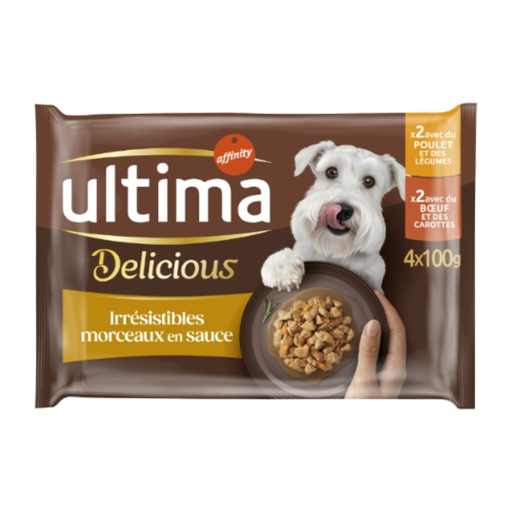
Why this choice suits this profile : The small chunks in gravy and recommendations for dogs weighing under 10 kg make everyday portioning easier.
Amounts are provided for both exclusively wet feeding and mixed feeding, helping to avoid overfeeding.
Small-sized pieces, two varieties and 100 g pouches, with refrigerated storage for 48 hours after opening.
We have put together a complete, real-time updated list of products that meet these strict selection criteria, as well as European safety requirements.
Yes, provided both products suit the same profile and are described as complete foods. Reduce the kibble portion according to the amount of wet food added to control the daily energy intake. Serve wet food at room temperature and follow the storage instructions after opening.
A gradual transition over around seven days is generally recommended for the products featured here. Mix the old and new recipes, gradually increasing the proportion of the new one. If your dog experiences persistent digestive problems, stop making successive changes and consult a vet.
Start with a clear composition, a single source of animal protein if this matches the identified need, and a weighed portion. Sensitive dog food is not a medical guarantee: reactions vary from one animal to another. If symptoms, a suspected allergy or a lasting change in appetite occurs, seek advice from an animal health professional.