
Livraison le jour même ou le lendemain

Qualité garantie

Débloquez vos offres de bienvenue: Livraison GRATUITE | Jusqu'à -80 % | 30 jours d'essai gratuits à JoyPlus
Téléchargez l'application
Not all dog treats serve the same purpose. A small, soft bite is ideal for training, while a chew stick should be chosen in the right size and given under supervision. Treat-dispensing toys, meanwhile, meet a need for activity and mental stimulation.
Before filling your basket, here are three common mistakes to avoid:
Puppy treats should be chosen according to the age stated on the packaging. Some dental products are not suitable for young dogs, particularly when they have a firm texture or the manufacturer specifies a minimum age.
Weight is just as important. Dentastix for medium-sized dogs are intended for animals weighing 10 to 25 kg, at a rate of one stick per day. By contrast, a product designed for small dogs may have a different size and texture. Always check:
For dog training treats, a soft texture and small size make it possible to reward several behaviours quickly. INABA Fun Bites, for example, have a moisture content of 82 to 83 %, depending on the recipe, and come in a 40 g pack. They are presented as soft chicken rewards combined with sweet potato, cheese or pumpkin.
Drier, firmer products are better suited to longer chewing sessions. Vitakraft Pure sticks contain beef hide, chicken and cheese powder, among other ingredients. However, their texture means that you must follow the usage precautions and choose a size suited to your dog’s build.
Read the ingredients list in descending order by weight. A product description such as beef and cheese dog treats should be checked against the actual percentages shown on the packaging. For Pedigree Tasty Minis Beef & Cheese, the product information lists 4 % beef and 4 % cheese powder, among other ingredients; the composition shown on the pack should nevertheless always be treated as the definitive reference.
Moist or very soft treats often require extra care after opening. The 40 g INABA products should be resealed and, for some recipes, stored in the fridge and consumed quickly. Store dry products in a cool, dry place in a carefully resealed bag.
A treat remains a complementary food. If you give rewards frequently, slightly reduce your dog’s main food allowance, taking into account their activity level, size and the information on the label.
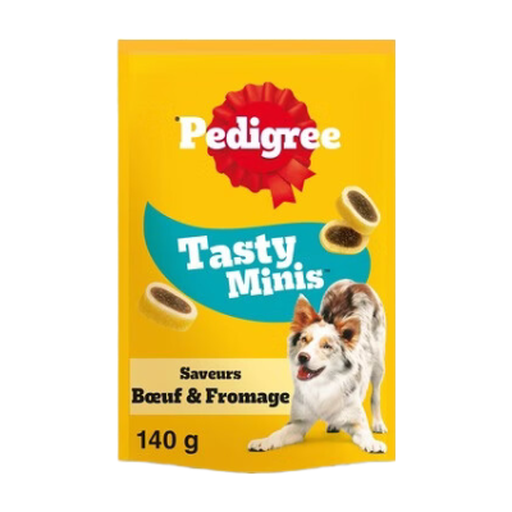
Why this choice suits this profile : The small size is practical for rewarding a dog several times during their first training exercises, provided you adjust their daily food allowance.
The ingredients and analytical constituents are listed on the product page, making it easier to compare this product with other rewards.
Mini bites, a beef and cheese recipe, a 140 g pack and an indication that it is suitable for young dogs.
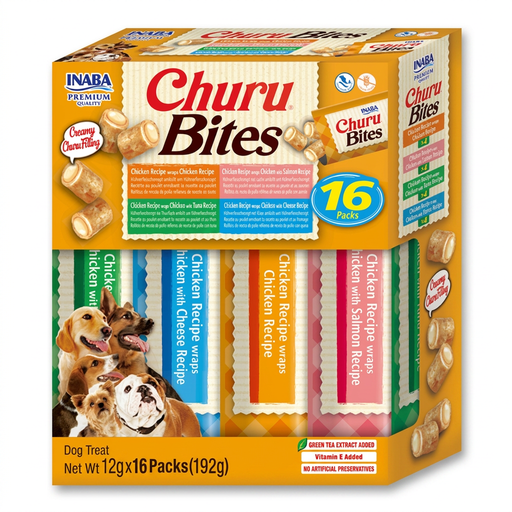
Why this choice suits this profile : This multipack lets you vary the recipes and ways of serving the bites: by hand, alongside your dog’s regular food or as an occasional reward.
The individual 12 g portions help prevent the treats from drying out. After opening, the product information recommends refrigeration and quick consumption.
16 portions, four chicken recipes, a two-part texture and a stated moisture content of 68 %.
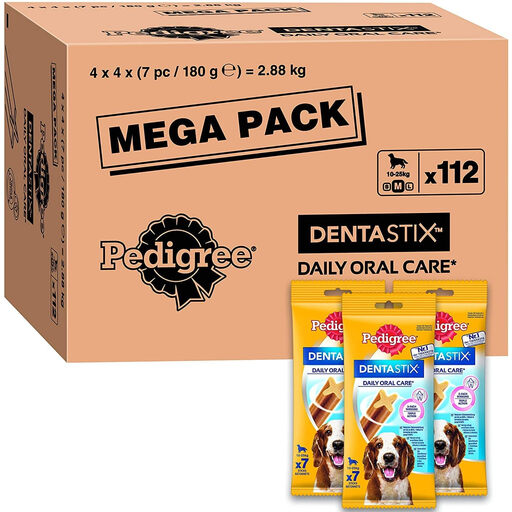
Why this choice suits this profile : The individually wrapped sticks are suitable for daily use with a dog weighing 10 to 25 kg, as part of an oral hygiene routine.
The target weight and recommended dose of one stick per day are clearly stated. However, these dental treats do not replace brushing or veterinary check-ups.
An individual format, a chewable texture, an X shape and a chicken-and-beef recipe, as stated on the product page.
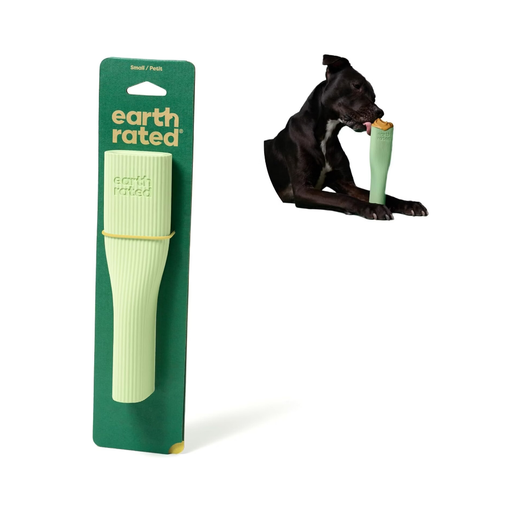
Why this choice suits this profile : This treat-dispensing toy lets you use kibble or bites you already have at home to keep a small dog or puppy occupied.
Its 17,8 × 5,1 cm dimensions are designed for small dogs. Remove the toy as soon as it shows signs of excessive wear.
Natural rubber, compatibility with the freezer and the top rack of the dishwasher, plus raised details that make it easier to grip.
We have put together a complete, real-time updated selection of products that meet these exacting criteria and European safety standards.
There is no universal quantity. Follow the recommendations on the packaging and adjust them according to your dog’s weight, age, activity level and main food allowance. Treats should not replace a complete diet. During a long training session, it is better to prepare smaller portions.
No. Dental treats for dogs can complement an oral hygiene routine, but they do not replace brushing or veterinary check-ups. Follow the target weight, minimum age and stated dosage. Supervision is also recommended while your dog is chewing.
For a puppy, choose a texture that is easy to chew, a small size and a product specifically stated to be suitable for their age. Soft chicken, sweet potato or pumpkin rewards can be practical for training, provided you check the ingredients and storage instructions after opening.