
Livraison le jour même ou le lendemain

Qualité garantie

Débloquez vos offres de bienvenue: Livraison GRATUITE | Jusqu'à -80 % | 30 jours d'essai gratuits à JoyPlus
Téléchargez l'application
A treat can make training easier, keep a dog occupied or complement a dental hygiene routine. But attractive packaging alone is not enough to make the right choice. From portions that are too large and calorie-rich recipes to chews that are unsuitable for the dog’s weight, some mistakes can quickly prove costly.
Before buying dog treats, check three points: the intended use, the ingredients and the recommended weight or age. Here are the criteria to consider when comparing the products available, without being guided solely by marketing claims.
Most of the products featured here are complementary foods. They therefore do not replace main meals. A reward given several times a day must be included in the dog’s overall daily allowance, particularly if the dog is not very active or tends to gain weight.
Check the recommended quantity and, where available, the energy value. For training, small bites generally allow you to give more rewards without offering an excessive amount for each exercise.
A dental chew is not equally suitable for a small dog, a medium-sized dog and a large breed. A product that is too small may be swallowed quickly, while one that is too hard or bulky could be difficult to chew.
The weight guidance shown on the packaging should take priority over the shape or flavour. Dentastix intended for medium-sized dogs, for example, are recommended for animals weighing 10 to 25 kg. Products for small dogs have different recommendations.
Statements such as “tartar control”, “natural” or “no added sugars” describe only certain aspects of a product’s recipe or design. They do not remove the need to read the ingredients list or monitor the animal’s reaction.
The Dentastix product page mentions a reduction in tartar formation of up to 80% when used daily. This is a manufacturer’s claim, not a guarantee that applies to every dog. Good dental hygiene also depends on regular care and, where necessary, advice from a vet.
For puppy treats, start by checking the minimum recommended age. Some Dentastix products are indicated for dogs from 4 months old, while the small-dog chews are not suitable for puppies according to their product page.
For training rewards, choose a format that is easy to break into smaller pieces. INABA Fun Bites are presented as suitable for all breeds and sizes, with a soft texture and high water content. However, quantities must still be compatible with the dog’s daily allowance.
Ingredients are generally listed in descending order by weight. In particular, compare:
Chicken treats for dogs can come in very different shapes and have very different compositions. Depending on the variety, INABA Bites indicate a chicken meat content of between 55.7% and 57%, with a soft texture. Vitakraft Pure chews, by contrast, are made mainly from beef hide, with 4% chicken and 4% cheese powder according to the information provided.
A dog training treat should be small and quick to eat. A dental chew is designed for longer chewing, but it should be given under supervision. As for a dog chew toy, this is not food: it can be filled with kibble or treats, then cleaned after use.
Dentastix products have an X shape and a texture described as slightly abrasive. These features are intended to create friction while the dog chews. They do not replace regular checks of the condition of the teeth and gums.
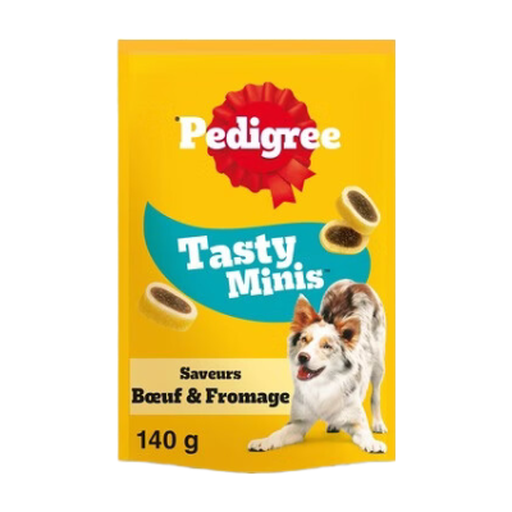
Why this choice suits this profile : Its small size is ideal for occasional rewards and lets you try a beef and cheese recipe without starting with a large pack.
The 140 g pack limits the initial commitment, while the product page reminds you that this is a complementary food to be deducted from the daily allowance.
Mini bites, 25% crude protein and a recipe containing 4% beef and 4% cheese powder.
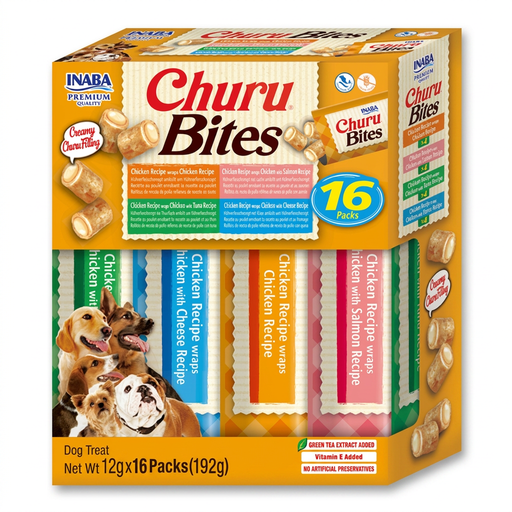
Why this choice suits this profile : This multipack brings together several recipes and two textures, making it a good choice for owners who like to vary their dog’s rewards.
The individual 12 g portions make it easier to control quantities. The product page also states that, once opened, the product should be stored in the fridge.
16 pouches, a stated moisture content of 68% and recipes containing chicken, tuna, salmon or cheese, depending on the variety.
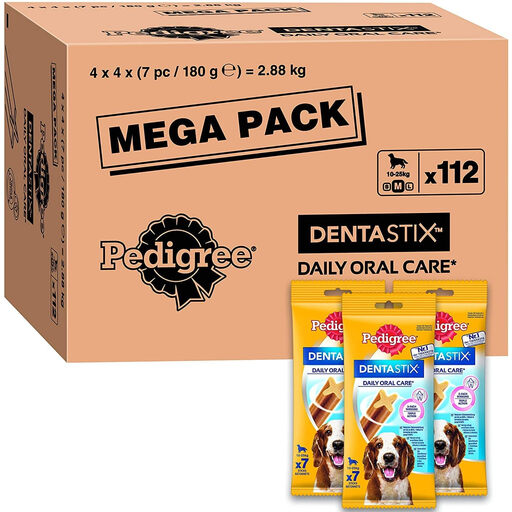
Why this choice suits this profile : This large pack is suitable for a daily routine for a medium-sized dog weighing between 10 and 25 kg.
The individual pouches help preserve freshness. The recommended dose is one chew per day, given under supervision.
112 chews divided into 16 pouches of 7, with a slightly abrasive texture and X shape according to the product page.
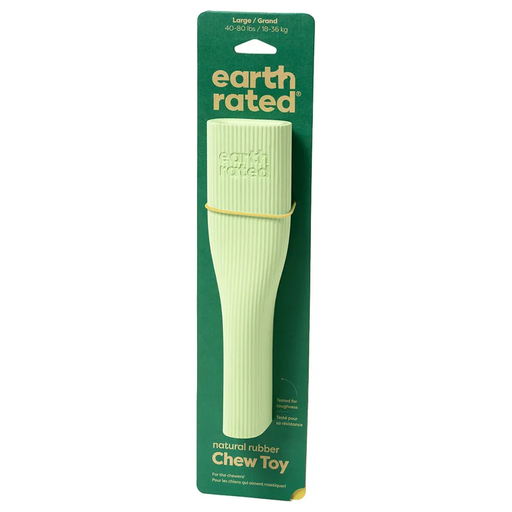
Why this choice suits this profile : This chew toy can be filled with kibble or treats to keep your dog occupied at home.
It does not rely on a single treat: its contents can be adapted to the dog’s habits. However, remove the toy as soon as it shows signs of wear or damage.
Natural rubber, a rolling shape, freezer-safe design and dishwasher compatibility, in the top rack.
We have put together a comprehensive selection, updated in real time, of products that meet these strict criteria and European safety regulations.
It depends on the dog’s weight, age, activity level and the product’s energy value. Treats should not replace meals. For training, choose small portions and adjust the daily allowance to avoid overfeeding.
No. A dental chew can complement a hygiene routine, but it does not replace brushing or veterinary care. Choose a size suited to your dog and monitor how it eats the chew. Claims such as “tartar control” should be regarded as information specific to the product concerned, not as a universal promise.
It depends on the texture and the manufacturer’s recommendations. Dry products can generally be stored in a cool, dry place in a tightly sealed package. Very moist bites may need to be refrigerated and eaten within 24 hours of opening. In all cases, the product label remains the definitive reference.