
Livraison le jour même ou le lendemain

Qualité garantie

Débloquez vos offres de bienvenue: Livraison GRATUITE | Jusqu'à -80 % | 30 jours d'essai gratuits à JoyPlus
Téléchargez l'application
Giving your dog a treat is a simple gesture that strengthens your bond, rewards good behaviour, or is simply a way to show affection. Yet, faced with a dog snacks aisle that feels like a jungle, the mission can become a real headache. Between the enticing packaging and marketing slogans, it's all too easy to pick a product that's unsuitable for your companion's health or needs. As a product expert at Joybuy, I'm here to help you decode the labels and make the right choice.
To navigate this, you first need to know the pitfalls to avoid. Here are the three most common mistakes that can be costly for your wallet, and more importantly, for your pet's health.
Fortunately, you only need to keep a few simple criteria in mind to never make a mistake again.
Choosing the right dog reward isn't just a matter of taste. To combine pleasure and health, carefully review these three essential points.
Transparency is the first hallmark of quality. A short, clear ingredient list is always a good sign.
Every treat has a mission.
Your pet's age, size, and health are determining factors.
To illustrate these criteria in action, here are some products that tick all the boxes for different needs.
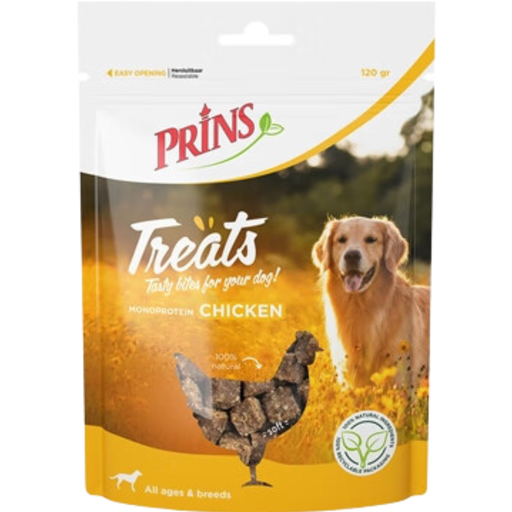
Why we recommend it: This is the perfect reward for training sessions that require frequent gratification. Its texture breaks easily into small pieces, allowing you to control portions and avoid overfeeding your dog.
No more vague ingredients. This product focuses on transparency with chicken as the sole animal protein source, making it easy to digest even for sensitive stomachs.
100% natural and easily breakable for perfect portion control—a non-negotiable feature for training.
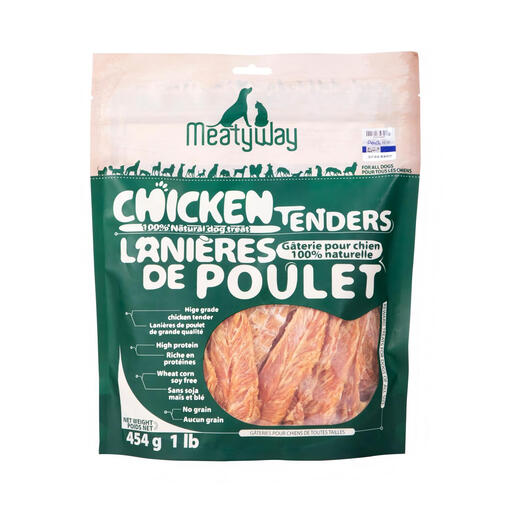
Why we recommend it: The ideal solution for dogs with sensitive digestion or those prone to allergies. Its ultra-clean recipe, based on real chicken with no grains or additives, minimises the risk of adverse reactions.
It cuts through the "natural" marketing fluff with total transparency. The star ingredient? Just chicken. No fillers or preservatives.
A simple, high-protein, and highly digestible recipe. Its tender texture is suitable for almost any jaw.
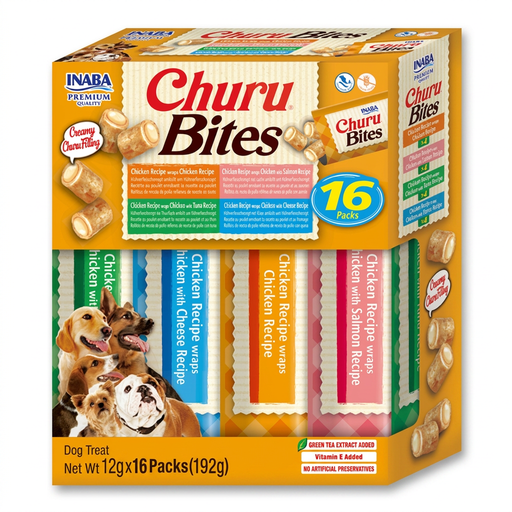
Why we recommend it: For owners who love to surprise their dogs with new flavours and unique textures. Its dual consistency (baked exterior, creamy centre) and various flavours make it an exceptional reward.
It proves that "indulgent" can also be "healthy." Grain-free, preservative-free, and low in calories, it breaks the monotony without compromising on quality.
Its high moisture content (63%) helps keep your pet hydrated while maintaining a very controlled calorie count.
Discover our full selection of treats that meet our quality standards and all current regulations.
Finally, let's answer the questions you ask us most often.
The golden rule is that treats should not exceed 10% of your dog's daily calorie intake. If you give a lot of treats, especially during a training session, consider slightly reducing their kibble portion to maintain their ideal weight. The exact amount, of course, depends on their size, age, and activity level.
The winning trio: a short ingredient list with a clearly identified protein first, the absence of added sugars, artificial colours, or flavours, and a balanced nutritional analysis (high in protein, moderate in fat).
Yes, absolutely. Puppy treats are smaller to fit their mouths, and their texture is softer to avoid damaging their puppy teeth or sensitive gums. Their formula is also often enriched with key nutrients for growth. It is therefore crucial to choose products specifically designed for them.