
Livraison le jour même ou le lendemain

Qualité garantie

Débloquez vos offres de bienvenue: Livraison GRATUITE | Jusqu'à -80 % | 30 jours d'essai gratuits à JoyPlus
Téléchargez l'application
A treat can reward good behaviour, make training easier or simply keep your dog occupied between meals. But not all dog treats are created equal, and they are not all suitable for the same uses. A soft bite does not keep in the same way as a biscuit, a dental stick may not be suitable for a puppy, and a highly appealing recipe can quickly unbalance your dog’s daily ration.
Before filling your basket, keep these three pitfalls in mind:
Start by checking the ingredients list, which is generally presented in descending order by weight. A short recipe makes it easier to identify a specific ingredient, while a more elaborate formula may offer different textures and flavours.
When choosing natural dog treats, do not stop at the word “natural” printed on the packaging. Instead, look at:
There are plenty of chicken treats for dogs, but the actual proportion of chicken can vary considerably. INABA Fun Bites products, for example, advertise a recipe based on chicken, chicken broth and sweet potato, with a moisture content of 82%. This means they are soft bites rather than classic dry biscuits.
For training, choose dog training treats that are easy to break up and small enough to be given several times during a session. A strip of dried meat that can be broken into pieces is often practical, while a whole stick is better suited to an occasional chewing session.
To keep your pet occupied, dog chew sticks and dental chews should be selected according to your dog’s weight, age and chewing style. Always supervise your dog while they are consuming this type of product and remove it when it becomes too small or shows signs of wear.
Puppy treats require even greater care. Check the minimum age stated on the packaging and choose a size suited to smaller jaws. Some dental products are not suitable for puppies under four months old.
A moist treat should generally be eaten soon after opening and stored in the refrigerator, in accordance with the product listing instructions. Dry dog biscuits should be kept in a cool, dry place, ideally in a firmly resealed bag.
The amount you give depends on your pet’s weight, age, activity level and main diet. In all cases, rewards should not make up an excessive proportion of their daily energy intake. If necessary, slightly reduce the portion of their main meal, and always leave a bowl of clean water available.
For oral hygiene, a dog dental stick can complement a routine, but it does not replace veterinary care or tooth brushing. The size and frequency recommendations shown on the packaging should always be followed.
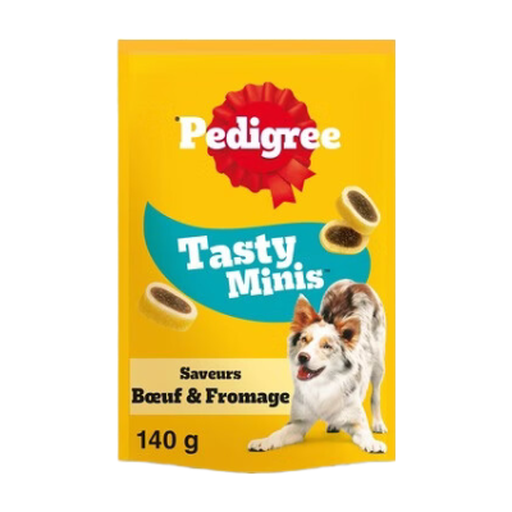
Why this choice suits this profile : At 140 g, this bag lets you try mini dog rewards without starting with an overly large pack.
The product listing specifies that this is complementary pet food and recommends adjusting the quantity according to the dog’s weight, age and activity level.
Mini format, beef and cheese flavours, 25 % crude protein and storage advice for after opening.
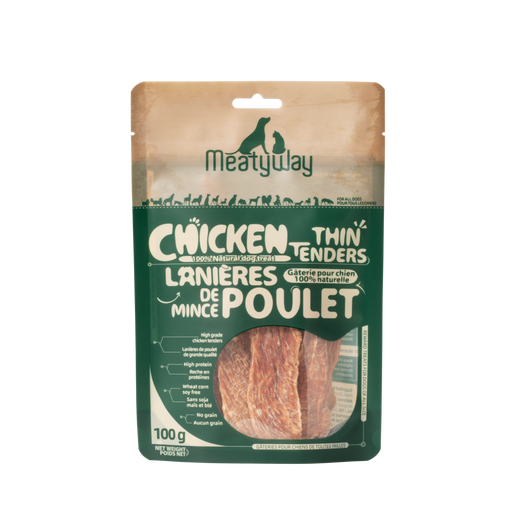
Why this choice suits this profile : Its recipe is advertised as containing just one ingredient, making it suitable for owners who want to know exactly what they are giving their dog.
The stated ingredients list chicken as the only ingredient and indicates that there are no cereals, preservatives or added fillings.
Soft texture, 100 g bag, advertised crude protein content of 70 % and pieces that are easy to break up.
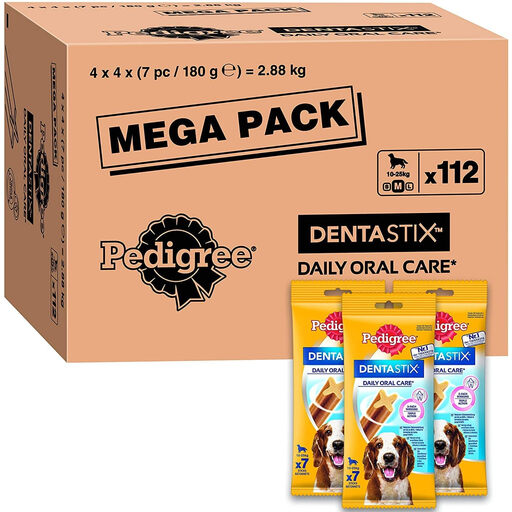
Why this choice suits this profile : The portioned pack is suitable for a regular routine for medium-sized dogs weighing between 10 and 25 kg.
The product details specify the weight range, recommended frequency and the need to supervise your dog while they chew.
112 sticks divided into individual bags, an X shape and a texture described by the brand as slightly abrasive.
We have put together a complete, real-time updated list of products that meet these strict selection criteria and European safety regulations.
There is no universal amount. Follow the manufacturer’s recommendations, then adjust the ration according to your dog’s weight, age, activity level and usual meals. Treats should remain a supplement. If your pet follows a particular diet or has a food sensitivity, ask your vet for advice.
Choose a small reward that is easy to chew and break into pieces. Soft bites and breakable strips are often more practical during repeated training sessions than large biscuits. Remember to count the rewards you give to avoid overfeeding.
No. A dental stick can complement an oral hygiene routine, but it does not replace tooth brushing or veterinary check-ups. Always check the recommended size and minimum age, then supervise your dog while they chew.