
Livraison le jour même ou le lendemain

Qualité garantie

Débloquez vos offres de bienvenue: Livraison GRATUITE | Jusqu'à -80 % | 30 jours d'essai gratuits à JoyPlus
Téléchargez l'application
An eye-catching packet, a recipe that claims to be natural, or a fun shape – none of these alone is enough to pick the right dog treats. Depending on your dog’s size, age and activity level, a reward meant for training doesn’t serve the same purpose as a dental stick or a moist, chewy bite.
Before you place an order, three common pitfalls keep cropping up:
To compare natural dog treats with more conventional recipes, start with the ingredients list, which is presented in descending order by weight. In particular, check:
A single-ingredient recipe – made entirely from chicken, for example – makes the label easy to read. However, that doesn’t automatically make it suitable for every dog: you always need to consider their dietary needs and any sensitivities they may have.
Low-calorie treats are especially handy when you’re giving rewards frequently. You should still follow the manufacturer’s guidelines and slightly reduce your dog’s main meal if you’re handing out more treats.
For training treats for dogs, go for a small bite that’s quick to give and, ideally, easy to break into smaller pieces. Soft, chewy bites are often a hit during repeated exercises, whereas dried strips usually require more chewing.
For a puppy, always check the minimum age stated on the packaging. Some treats are specially designed for young animals, but a dental stick or a very firm bite may not be suitable for developing teeth.
Your dog’s size matters too. For instance, Dentastix for medium-sized dogs are intended for animals weighing 10 to 25 kg, while another Pedigree product is reserved for small adult dogs. So your choice shouldn’t be based on flavour alone.
High-moisture treats – such as certain tube preparations or wrapped bites – offer a soft texture and are easy to hand out. Depending on the product, INABA Churu items contain around 88 to 90% moisture. They can be served straight from the tube, used as a topping, or offered during a training session.
Once opened, moist products often need to be kept in the fridge and used up quickly – sometimes within 24 hours. Dry treats, on the other hand, are usually best stored in a cool, dry place in a well-sealed bag. Incorrect storage can affect their texture and how much your dog enjoys them.
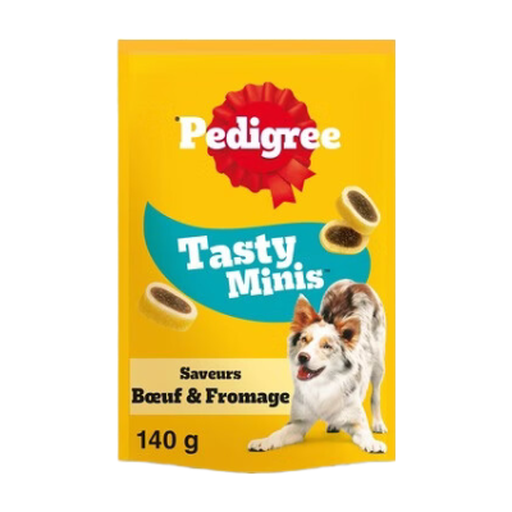
Why this choice suits this profile: The 140 g pack is a great starting point – you won’t be left with a huge stock. These mini bites are suitable for young dogs and can be used as a reward or training aid.
The ingredients list shows 4% beef and 4% cheese powder, so you can clearly see the difference between the featured flavour and the full recipe.
Mini format, 25% crude protein stated, and suitable for young dogs.
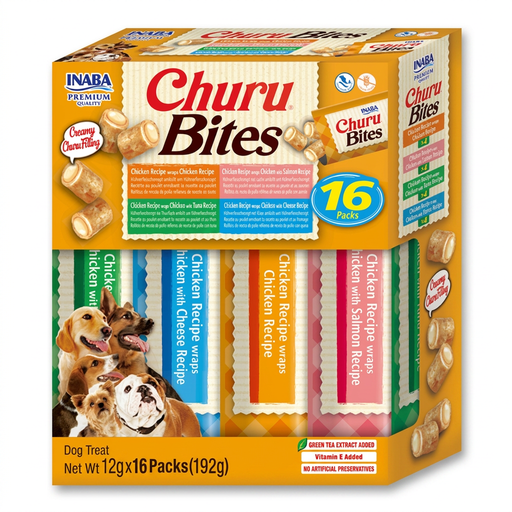
Why this choice suits this profile: This multipack brings together four recipes with a dual texture – a soft outer layer and a creamy centre. It’s ideal for anyone who likes to vary their dog’s rewards.
The individual 12 g portions make it easy to control how much you give, as long as you follow the recommendations based on your dog’s weight.
16 portions, 68% moisture stated and 3% fat.
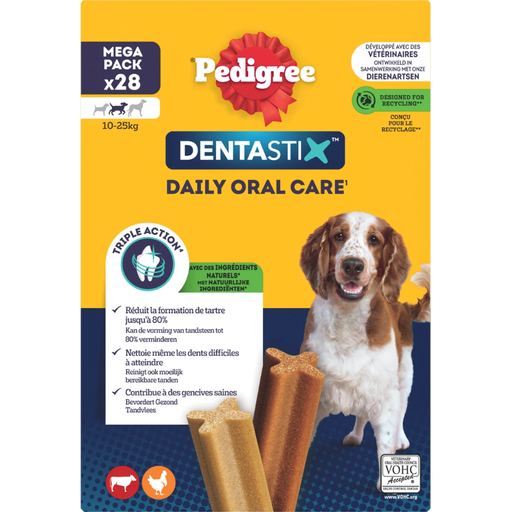
Why this choice suits this profile: A daily treat fits easily into a routine. This product is designed for medium-sized dogs weighing 10 to 25 kg, and for young dogs from 4 months old.
The dog’s size and frequency of use are clearly stated. This product shouldn’t be used as a universal treat, and you shouldn’t give more than one stick per day.
28 sticks, an X-shape design, and a reduced fat content as stated by the manufacturer.
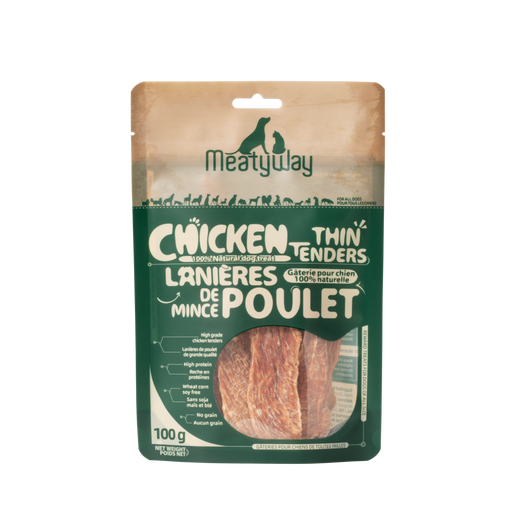
Why this choice suits this profile: These thin chicken strips break easily into small pieces, making repeated training exercises much simpler, whatever your dog’s size.
The ingredients list is limited to chicken. You should still keep an eye on the quantities and stay with your dog while they chew their reward.
A single ingredient stated, 70% crude protein, and a soft texture.
We’ve put together a full, real-time selection of products that meet these demanding criteria and comply with European safety regulations.
The amount depends on your dog’s weight, age, activity level and the treat’s composition. Check the recommendations on the packaging and adjust the main meal accordingly. A high-calorie reward should be given more sparingly than a small training bite.
Pick a product that clearly states it’s suitable for young dogs, with an appropriate size and texture. Puppy treats are not a substitute for a complete diet. For dental products or particularly firm treats, always check the minimum age and weight requirements.
No. Dental sticks for dogs can complement an oral hygiene routine, but they don’t replace the dental care recommended by a vet. Always read the age, weight and frequency limits stated on the packaging.