
Livraison le jour même ou le lendemain

Qualité garantie

Débloquez vos offres de bienvenue: Livraison GRATUITE | Jusqu'à -80 % | 30 jours d'essai gratuits à JoyPlus
Téléchargez l'application
A treat can reward good behaviour, make training easier, keep a dog occupied, or complement a dental hygiene routine. But not all dog treats are created equal, and they don’t all serve the same purpose. A texture that’s too hard for a small dog, an overly generous portion, or a poorly suited recipe can quickly turn an appealing purchase into an impractical product.
Before you choose your dog treats, check three essential points: the intended use, the ingredients, and the recommended quantities.
Most dog rewards are complementary foods. They are not a replacement for your dog’s daily meal. Sticks, bites, strips and tubes all need to be factored into the overall calorie intake, especially if your dog is not very active or tends to gain weight.
A recipe marketed as natural isn’t necessarily suitable for every dog. Similarly, a grain-free dog treat can be high in fat or may not be appropriate for an animal with a specific sensitivity. It’s far better to examine the ingredient list and the analytical constituents than to be swayed by the claims on the front of the packet.
Small, soft bites are generally well suited to training and small dogs. Conversely, a dental stick should be chosen based on the weight and size indicated on the packaging. A reward that’s too large can be difficult to chew, while a treat that’s too small might be swallowed in seconds.
For a puppy, look for a clear indication of the minimum age. Some puppy treats are specially designed for young animals, whereas dental products are not always suitable for the youngest puppies. The Pedigree Dentastix for medium dogs, for example, is suitable for dogs weighing 10 to 25 kg and for young dogs from 4 months of age, according to the product information.
Size matters too. A small-dog format isn’t simply about the number of pieces in the bag.
Check for potential allergens, the fat content, the net weight, and the shelf life after opening. Wet products like INABA Churu or INABA Bites generally need to be consumed quickly after opening and stored in the fridge when the label says so.
For every product, stick to the recommended quantities and always leave a bowl of fresh water available. A treat intended as a complementary food should never replace the main meal.
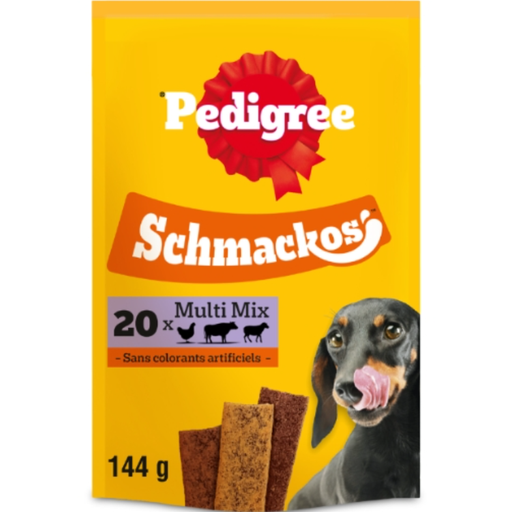
Why this choice suits this profile: The soft strips and three flavours make it easy to get started with everyday rewards without investing in a large pack.
The format helps you portion out rewards, and the product page states a daily limit based on your dog’s weight.
Chewable strips, fewer than 30 kcal per piece according to the product page, and a 20-piece pack.
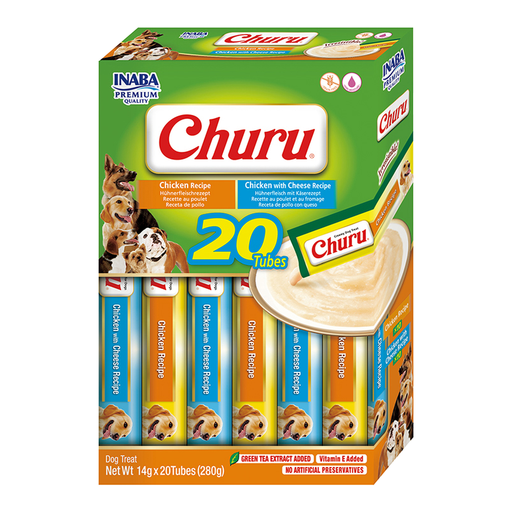
Why this choice suits this profile: The individual tubes offer a neat presentation, whether for sharing, training, or adding to the meal.
The portion is pre-packed, and the product page reminds you that it’s a reward, not a complete meal.
Tube texture, stated moisture content of 88%, and two chicken recipes.
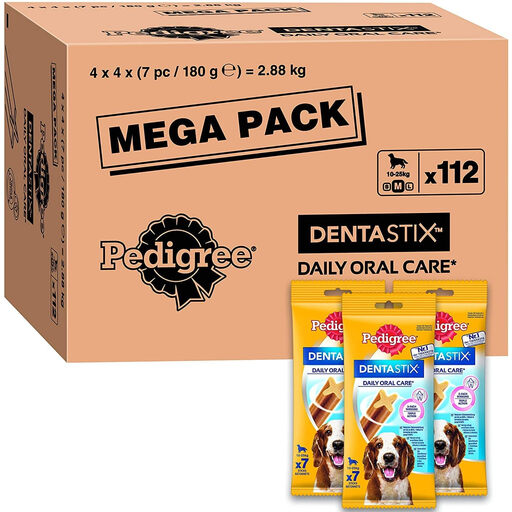
Why this choice suits this profile: The pack of 7-piece sachets is ideal for a daily routine for a medium dog weighing between 10 and 25 kg.
The target weight and the frequency of one stick per day are clearly stated, which reduces the risk of choosing the wrong size.
X-shape, chewy texture, 112 sticks, and chicken and beef varieties according to the product page.
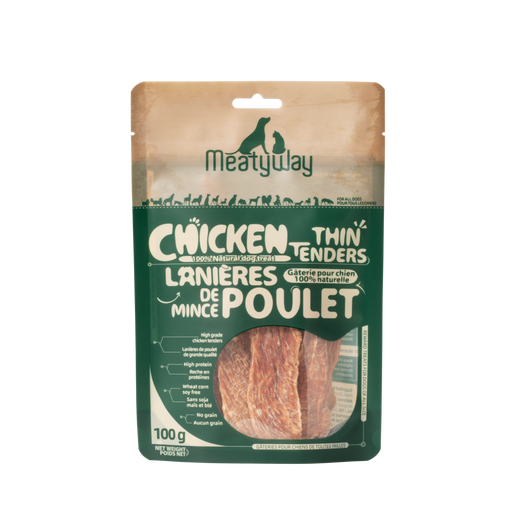
Why this choice suits this profile: These thin chicken strips can be cut into small pieces for training or given as an occasional reward.
The stated ingredients are limited to chicken, and the soft texture avoids imposing a product that’s too tough on certain dogs.
Stated single-ingredient recipe, grain-free, and made with 70% crude protein according to the product page.
We’ve put together a comprehensive, real-time selection of products that meet these exacting criteria as well as European safety standards.
Give dog rewards as soon as the desired behaviour is performed. For training, opt for very small portions so you can create more learning opportunities. If you’re using a higher-calorie treat, slightly reduce the main meal following the manufacturer’s guidelines.
Always supervise your dog while they are chewing. For wet products, reseal the packaging carefully and stick to the consumption time stated. If your dog has a known allergy, is on a veterinary diet, or has difficulty chewing, seek advice from a pet health professional.
It all depends on the dog’s weight, age, activity level, and the energy density of the product. Follow the feeding guide on the packaging and make sure treats don’t make up an excessive part of the daily calorie intake.
No. Dental sticks for dogs can complement a care routine, but they do not replace brushing or veterinary check-ups. Choose a size suitable for your dog’s weight and stick to the recommended frequency.
Choose a product whose label states the minimum age and the appropriate size. A soft dog treat or a small bite will often be easier to break up during training, as long as you respect the daily ration and storage instructions.