
Livraison le jour même ou le lendemain

Qualité garantie

Débloquez vos offres de bienvenue: Livraison GRATUITE | Jusqu'à -80 % | 30 jours d'essai gratuits à JoyPlus
Téléchargez l'application
A treat can make training easier, keep a dog occupied for a few minutes or simply accompany a moment of bonding in everyday life. But not all treats are designed for the same purposes. Behind claims such as “natural”, “grain-free” or “high in protein”, some essential information can sometimes be well hidden.
Before buying dog treats, three pitfalls deserve particular attention:
When choosing natural dog treats, start by checking the ingredients list, which is generally presented in descending order by weight. A single-ingredient recipe, such as dried meat made solely from duck, is easier to understand and limits the number of components you need to monitor.
Chicken dog treats and duck dog treats can make excellent rewards, provided you check for cereals, added sugars, technological additives or preservatives. The claim “grain-free” alone does not guarantee that a product will suit every dog: each animal’s tolerance and the amount given remain decisive factors.
The levels of crude protein, fat, fibre and moisture provide useful information, but are not enough to assess the overall quality of a treat.
Compare values on a consistent basis and follow the manufacturer’s guidance. Treats remain complementary foods for dogs.
Dog training treats should be small enough, or easy to break into pieces, so you can give multiple rewards without overdoing it. Soft strips of dried meat can be cut up for a small dog, while a more substantial format may be better suited to occasional chewing.
With dog chew sticks, supervision is essential. Remove the product as soon as it becomes small enough to swallow whole, and always provide fresh water. Chewing may contribute mechanically to oral care, but it does not replace dental care recommended by a professional or suitable follow-up.
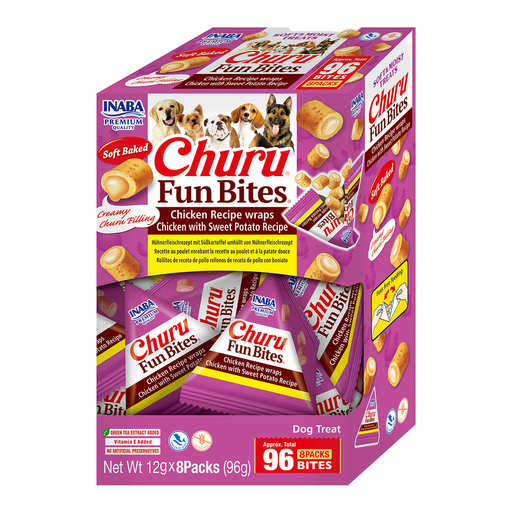
Why this choice suits this profile: These soft bites are ideal for early training sessions and occasional rewards. The recipe combines chicken, chicken broth and sweet potato, with a stated moisture content of 83 %.
The 40 g format means you do not have to open a large bag for occasional use. The ingredients and analytical constituents are clearly stated.
A soft texture, a chicken and sweet potato recipe, and a format suited to both training and a small tasty treat.
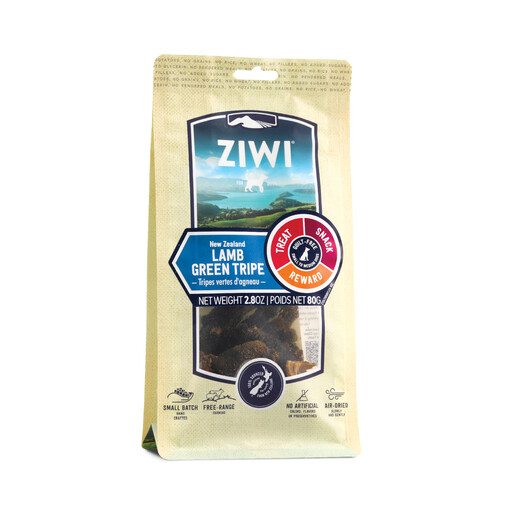
Why this choice suits this profile: This product is aimed at those looking for a dried chew made from free-range lamb raised in New Zealand, according to the information provided by the brand.
The labelling clearly distinguishes complementary food from complete food and reminds you to remove the piece once it becomes too small.
Slow drying, as stated, at least 60 % crude protein and an 80 g format.
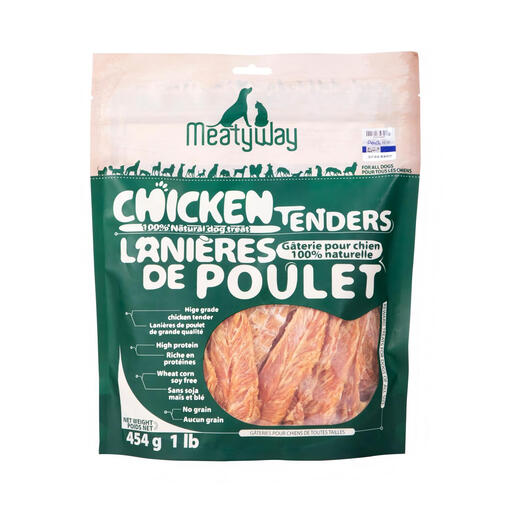
Why this choice suits this profile: At 454 g, this bag suits households that give rewards regularly, particularly during training or everyday activities.
Chicken is presented as the main ingredient, and the stated recipe is free from cereals, fillers and preservatives.
A dried meat texture that is easy to break into pieces, at least 30 % crude protein and a resealable bag.
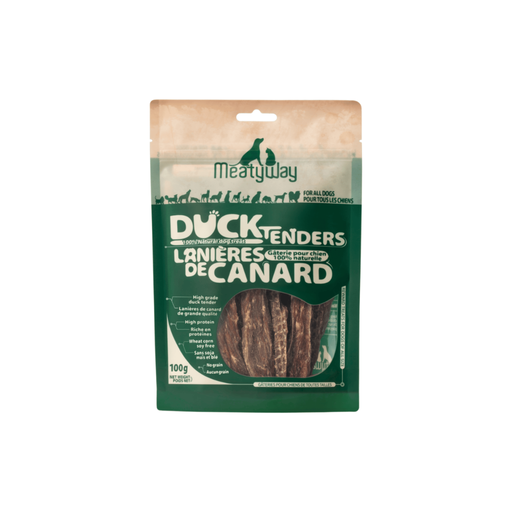
Why this choice suits this profile: This single-ingredient dried duck meat is ideal for owners who want to keep the ingredients list short and adjust portions easily.
The product details state 100 % duck, with no cereals, fillers or preservatives. However, check the label when your order arrives.
A soft texture, at least 30 % stated crude protein and strips that are easy to break.
We have brought together a comprehensive, real-time updated selection of products that meet these demanding criteria and European safety regulations.
A few simple rules will help you keep control of the quantities:
If your dog has a known allergy, food sensitivity or particular health problem, check every ingredient with the professional responsible for their care. A “grain-free” treat is not a universal guarantee of tolerance.
There is no single amount that applies to every dog. Weight, age, activity level and the main diet must all be taken into account. The recommendations on the packaging provide a useful starting point, but treats should remain a limited part of your dog’s daily intake.
Choose small dog training treats that are easy to divide and quick to eat. Soft bites and flexible strips allow you to reward several behaviours without interrupting the flow of the session. A sufficiently appealing recipe helps maintain your dog’s attention without giving excessive quantities.
No. Depending on its texture, a chew product may have a mechanical effect on the surface of the teeth, but it does not replace a suitable dental hygiene routine or professional advice. Supervision is still necessary throughout consumption.