
Livraison le jour même ou le lendemain

Qualité garantie

Débloquez vos offres de bienvenue: Livraison GRATUITE | Jusqu'à -80 % | 30 jours d'essai gratuits à JoyPlus
Téléchargez l'application
Dog treats are used to reward your companion, make training easier, or simply give them a little snack between meals. But an appealing packet tells you nothing about the size of the pieces, their ingredients, or the quantity that’s actually suitable for your pet. To avoid wasted purchases, it’s best to compare a few concrete criteria before opting for dog biscuits, soft bites, chews or dental sticks.
Most dog rewards are complementary foods. They don’t replace the daily meal. If you give them too generously, they can unbalance energy intake, especially in a neutered dog, a less active one, or a dog prone to weight gain.
For training, choose a product that can be easily given in small portions. Check the manufacturer’s recommendations and slightly reduce the usual meal if needed.
Phrases like “natural”, “grain-free” or “for dental hygiene” should be taken with a pinch of salt. A natural dog treat can still be very high in calories, while a dental stick doesn’t replace regular care or veterinary check-ups.
For dental products, pay most attention to the size, texture, frequency of use and supervision guidelines. Effectiveness claims are the manufacturer’s indications, not a guarantee that works for every dog.
A puppy treat doesn’t necessarily meet the same needs as a reward for an adult dog. A small dog may struggle to chew a product that’s too thick, while a large dog might swallow a tiny piece too quickly.
A label like “for dogs from 10 to 25 kg”, for example, is an essential guide. Also read the warnings about puppies under 4 months, dogs under 3.2 kg, and animals with food sensitivities.
The ingredient list lets you identify the main protein sources, grains, fats, added sugars and additives. For a sensitive dog, choose a short, clear recipe that’s easy to recognise. Chicken dog treats can come in very different forms: dried meat, soft bites, coated sticks or cereal-based preparations.
If your pet is on a special diet, ask your vet for advice before introducing a new reward. The “grain-free” label doesn’t mean the product will suit all food sensitivities.
For very moist products, check the storage instructions carefully. Some pouches or tubes need to be kept in the fridge after opening and used within 24 hours.
The net weight alone isn’t enough to compare two products. A large bag can contain pieces of very different sizes. Look at the number of pieces, the recommended daily amount and, where given, the energy value.
Always supervise your dog when they’re chewing a stick. A treat that’s too hard, too small, or given without supervision can cause choking. Also leave a bowl of fresh water available.
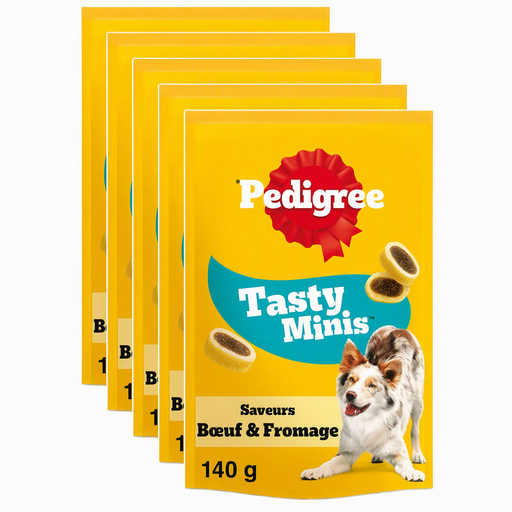
Why this choice suits this profile: Its small size is ideal for repeated rewards. With 700 g, this bag can also work for a household that wants to stock up for everyday training.
The small pieces help you control portions better than a large chew. The product page states it’s for young dogs and reminds you it’s a complementary food.
Beef and cheese flavours, 700 g of product, and recommendations to adjust according to your dog’s size, age and activity level.
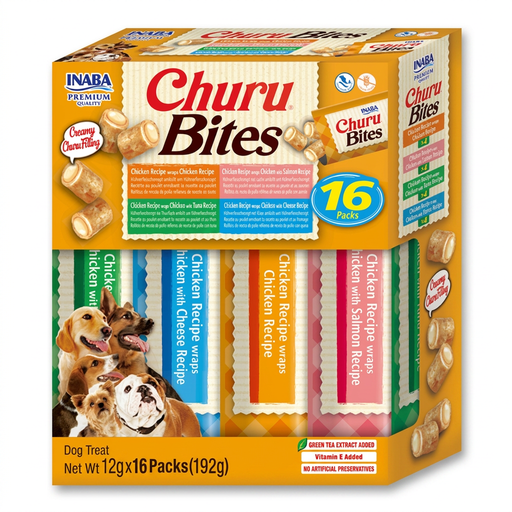
Why this choice suits this profile: Its four recipes and dual texture appeal to owners looking for a more varied reward for walks, training sessions or those little bonding moments.
The individual 12 g pouches reduce the risks of poor storage. Once opened, the product must be eaten quickly and kept in the fridge, as stated on the product page.
Four recipes, a soft filled texture, 16 portions of 12 g, and a recommendation of 1 to 4 pieces depending on your dog’s size.
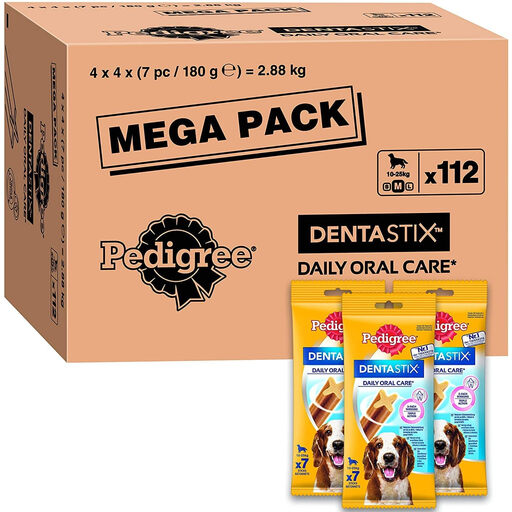
Why this choice suits this profile: This large pack is ideal for a daily routine with a dog weighing 10 to 25 kg, as long as you follow the instructions on the packaging.
The target weight and frequency of one stick per day are clearly stated. Chewing should still be supervised, and this product isn’t suitable for dogs that don’t fall into this category.
112 sticks, packs of 7 units, and an X-shaped texture that the brand says is designed to contribute to daily dental hygiene.
We’ve put together a complete, real-time updated selection of products that meet these demanding criteria and European safety regulations.
There’s no universal amount. Take into account your dog’s weight, age, activity level and the energy value of the treats. They should remain a small part of daily intake. For training, choose very small portions and adjust the main meal accordingly.
No. Dental sticks for dogs can complement a hygiene routine, following the manufacturer’s recommendations, but they don’t replace brushing or veterinary advice. Choose a size suited to your dog’s weight and supervise them while they chew.
Seal dry treat bags carefully and store them in a cool, dry place. For moist products, tubes or soft bites, follow the label instructions closely: some need to be kept in the fridge and eaten within 24 hours. Always adjust the quantities to your pet’s daily meal.