
Livraison le jour même ou le lendemain

Qualité garantie

Débloquez vos offres de bienvenue: Livraison GRATUITE | Jusqu'à -80 % | 30 jours d'essai gratuits à JoyPlus
Téléchargez l'application
Choosing dog food is about more than comparing the price per kilo or being won over by an attractive picture on the packaging. Between dry dog food, wet dog food, grain-free recipes and foods advertised as high in protein, marketing claims can quickly make it hard to know what to look for.
The key is to focus on practical criteria: your dog’s age, size and activity level, the ingredients, whether the food is complete or complementary, and how it should be stored.
A grain-free recipe may suit some dogs, but that label alone doesn’t tell you whether its nutritional quality is good. Grains may simply be replaced with peas, chickpeas, lentils or other sources of starch. So it’s important to look at the full ingredient list.
Grain-free wet dog food and grain-free dry dog food should also clearly state which dogs they’re intended for: puppies, adults, seniors, small breeds or large breeds.
The advertised percentage may refer to fresh meat, offal or a range of animal-derived products. Moisture content also affects how you read the figures: wet food with around 77 to 82% moisture isn’t directly comparable with dry food containing around 12%.
For a more useful comparison, check the analytical constituents: protein, fat, fibre, ash and moisture. High-protein dog food isn’t necessarily right for every dog.
A treat or complementary food shouldn’t replace your dog’s main meals. A chicken and banana bite, for example, may be intended as an occasional treat or a supplement, even if it contains 20% protein.
If the food is intended to make up your dog’s daily diet, look for the words “complete pet food for dogs”. If your dog has food sensitivities or is under veterinary care, ask a professional to check the ingredients before changing their diet.
Food for adult dogs won’t meet the same needs as a puppy recipe. Similarly, a formula for active dogs may have a very different energy density from one designed for a more sedentary pet.
For a large dog, check:
These quantities are guidelines only. Adjust them to suit your dog’s weight, body condition and actual activity level.
The order in which ingredients are listed gives you an initial indication, but it’s worth checking it against the analytical composition table. Look for:
Wet dog food generally contains much more water than dry food. It can be served on its own if it’s a complete food, or included in a mixed diet, provided you reduce the amount of dry food accordingly.
Once opened, most wet foods should be kept in the fridge and used within the period stated on the label, often within 48 hours. Unopened tins and pouches should be stored somewhere cool, dry and out of direct sunlight.
To help prevent digestive upsets, introduce new food gradually over several days. Always leave a bowl of fresh water within your dog’s reach.
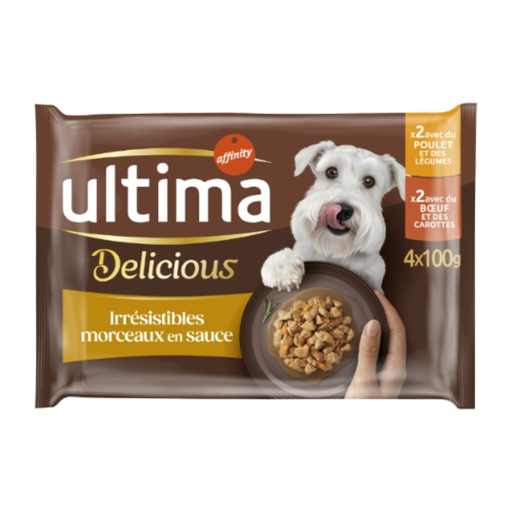
Why this is a good fit for this type of dog : This wet food is made for adult dogs weighing under 10 kg. It comes in small chunks and two recipes, in handy portions that are particularly easy to serve if you’re new to feeding wet food.
The product information states that this is a complete food for small adult dogs, not just a treat. Recommended amounts are given according to your dog’s weight.
Pack of 4 × 100 g, chicken and beef recipes, chunks sized for small dogs and declared moisture content of 82%.
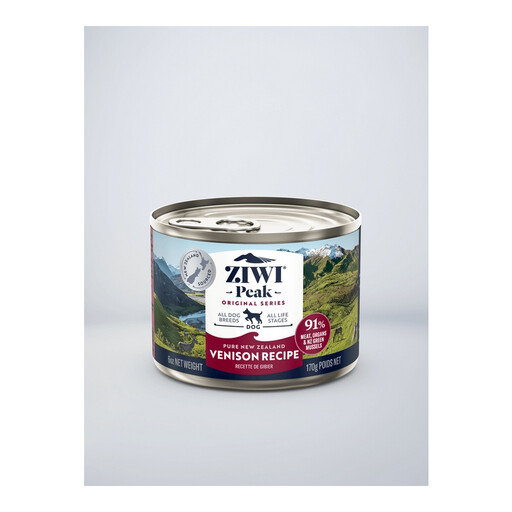
Why this is a good fit for this type of dog : This wet dog food uses a single animal protein source: venison. Its 170 g format is handy for trying a targeted recipe or putting together a wet-food meal.
The product information sets out the protein source and analytical constituents, making it easier to check whether it fits a limited-ingredient diet. However, if your dog has an allergy, you should still ask your vet for advice.
Advertised as containing 92% venison, organs and bone, with a grain-free recipe and at least 10% crude protein.
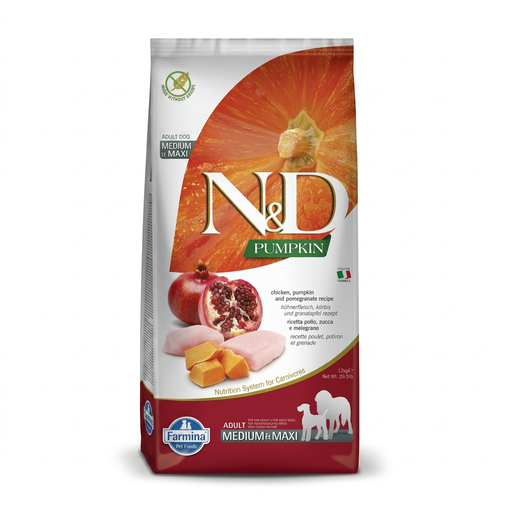
Why this is a good fit for this type of dog : This large bag of dry food is made for medium to large adult dogs. The feeding table covers several activity levels, making it easier to adjust daily portions.
The product information clearly states that it’s for adult dogs, gives the net weight as 12 kg and lists the chicken-based ingredients and recommended gradual transition, rather than relying on a vague promise.
Grain-free recipe with added pumpkin, advertised as containing 96% animal-derived protein, plus a feeding guide for dogs weighing 10 to 50 kg.
We’ve put together a comprehensive, real-time updated selection of products that meet these exacting criteria and comply with European safety regulations.
Dog treats can help with training or reward good behaviour, but they should only be given occasionally. Check the recommended serving, fat content and whether the product is labelled as a “complementary pet food”.
For example, MeatyWay chicken and sweet potato strips are advertised as grain-free, with at least 20% crude protein and 5% fat. They should be given alongside meals, under supervision, with fresh water available. If your dog is sensitive, introduce each new treat separately to check that they tolerate it well.
Dry food is easy to store and measure out. Wet food provides more moisture and adds variety to mealtimes. The right choice depends on whether the product is complete, your dog’s needs and what works for your routine. You can combine the two, as long as you adjust the quantities.
Transfer the food to a sealed container and store it in the fridge, following the storage period shown on the label. Several products featured here recommend using the food within 48 hours, or within two days of opening. You can serve wet food at room temperature if your dog prefers it that way.
Gradually mix the old and new foods over several days, increasing the proportion of the new recipe a little at a time. Keep an eye on your dog’s appetite, stools and weight. If a reaction persists, ask your vet for advice before continuing the transition.