
Livraison le jour même ou le lendemain

Qualité garantie

Débloquez vos offres de bienvenue: Livraison GRATUITE | Jusqu'à -80 % | 30 jours d'essai gratuits à JoyPlus
Téléchargez l'application
For any dog owner, a treat is much more than just a biscuit: it's a token of affection, a reward for good behaviour, or a special shared moment. But in the pet food aisle, enthusiasm often gives way to confusion. Faced with a mountain of colourful packaging and marketing promises, how can you make sense of it all? It's easy to be swayed into making a choice that, unintentionally, could be detrimental to your four-legged friend's health.
This guide is here to arm you against label jargon and the lure of marketing. Our goal: to give you the keys to choosing healthy and suitable treats with complete confidence.
The dog snacks market is flooded with options, but not all are created equal. Here are the traps that even the most careful owners fall into:
To make the right choice, it's better to focus on a few objective parameters rather than advertising slogans.
The golden rule is simple: the ingredient list is ordered by decreasing weight. The first ingredient is therefore the most abundant.
This table, often in small print, is packed with valuable information about the treat's nutritional balance:
Not all treats serve the same purpose. It's important to distinguish between:
To put theory into practice, here are a few options that meet specific needs, all validated by our analysis criteria.
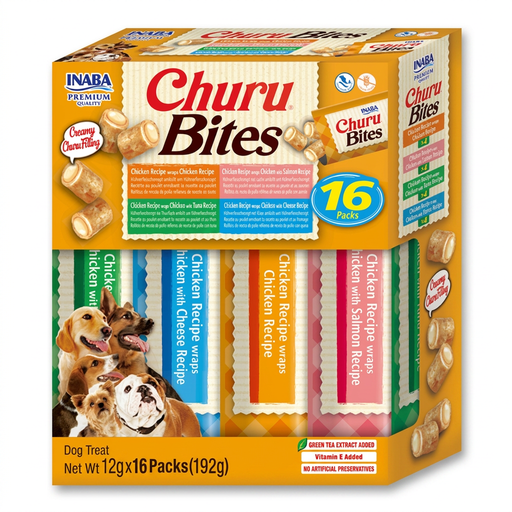
Why we recommend it: Perfect for training sessions, this multipack contains soft, very low-calorie bites (around 15-18 kcal per tube). The variety of flavours prevents boredom, and their soft texture is suitable for dogs of all ages, from puppies to seniors.
The composition is clean: no grains, no artificial preservatives or colours. You avoid the unnecessary ingredients often hidden by "gourmet" packaging. The mini-portion format is perfect for controlling intake.
A composition rich in meat (over 55% chicken) and water (68%), making them ultra-palatable while contributing to hydration. The bonus: the dual texture (baked exterior, creamy centre) is a universal crowd-pleaser.
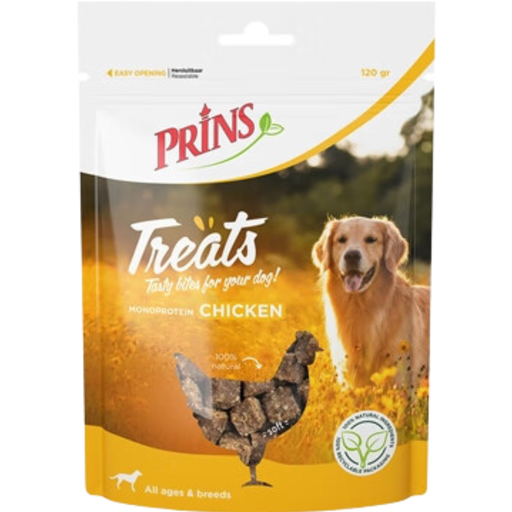
Why we recommend it: Specially designed for dogs with delicate digestion, these treats are based on a single protein source (chicken) to limit the risk of intolerance. 100% natural, they are suitable for all dogs, regardless of age.
No frills here: the ingredient list is ultra-short and crystal clear (chicken, potato, tapioca...). This steers clear of long formulas that often hide allergens or unnecessary additives.
Its single-protein formula is perfect for elimination diets. Another plus: the treats are breakable, making it easy to adjust the portion size for small dogs or for training sessions.
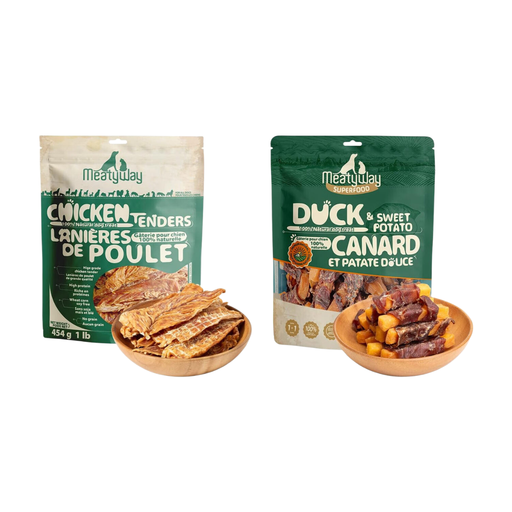
Why we recommend it: These strips of dried meat (jerky) are a real delight for dogs who love to chew. The recipe combines real chicken and duck with sweet potato for a high-protein but low-fat treat.
Unlike synthetic chew bones or grain-filled biscuits, this product focuses on being natural: no grains, no additives, no preservatives. Chewing becomes a form of dental care that helps fight tartar.
The jerky texture prolongs the chewing pleasure. A protein-rich composition with meat as the #1 ingredient. Easily breakable to suit all dogs.
Discover our full selection of treats that meet our quality charter and the strictest safety standards.
The golden rule is simple: treats should not exceed 10% of your dog's daily calorie intake. If you give several dog rewards throughout the day, remember to adjust their main meal portion to prevent excess weight. The exact amount, of course, depends on your dog's size, age, activity level, and the calories in the treat itself.
Not necessarily. A grain-free treat can be an excellent option, especially for dogs with a known sensitivity or allergy. However, you must check what the grains have been replaced with. If the formula is high in potatoes or legumes, the carbohydrate content can skyrocket. The most important thing is the overall composition: a quality ingredient list with an animal protein source at the top is a much better indicator than a simple "grain-free" claim.
Most dry treats can be stored in their original packaging, tightly sealed, in a cool, dry place away from light. For moist or semi-moist treats, once the package is opened, it's best to keep them in the refrigerator and consume them quickly, as indicated on the packaging, to preserve their freshness and prevent contamination.