
Livraison le jour même ou le lendemain

Qualité garantie

Débloquez vos offres de bienvenue: Livraison GRATUITE | Jusqu'à -80 % | 30 jours d'essai gratuits à JoyPlus
Téléchargez l'application
A toy can keep a dog entertained for a few minutes… or be ready for the bin after just two sessions. To avoid disappointment, it’s best not to be guided solely by colour, a fun shape or the durability promises printed on the packaging. Your dog’s size, chewing style and the type of activity you’re after are far more important.
The selection of dog toys featured here covers several uses: chewing, mental stimulation, physical activity, fetch and retrieve games, and treat dispensing. Here are the points to check before you buy.
A toy marketed as tough isn’t necessarily right for every dog. A small model can be swallowed by a large dog, while a very hard toy may not suit a puppy or a dog with sensitive gums. The weight, size and temperament guidelines should come before the design.
The ridges on a chew toy can help with chewing and rub against some tooth surfaces. However, they are neither a treatment nor a guarantee against dental problems. Claims like “perfectly cleans teeth” or “removes tartar” should therefore be taken with a pinch of salt.
A fraying rope, stuffing, a squeaker or small pieces of rubber can pose an ingestion risk. Even a squeaky toy or a rope toy described as durable should be checked before and after every use.
Roughly measure the length and width of the toy, then compare them to your dog’s build. A toy intended for fetch and retrieve should be big enough to be easily caught, without being small enough to swallow. For a puppy toy, go for something easy to grip and made from a material designed for moderate chewing.
Models designed for small dogs should not be given to a large dog, even if the shape looks appealing. Conversely, an accessory that’s too bulky can put off a puppy or a small dog.
The materials used give a good indication of what the toy is meant for:
No single material suits every temperament. If your dog tears off pieces and tries to swallow them, close supervision is essential. At the first sign of damage, the toy should be replaced.
Check whether the product can be cleaned with a damp cloth, warm water or in the dishwasher. Some toys must not be submerged. Treat-dispensing models should be emptied after each session to prevent residue build-up and unpleasant odours.
The lifespan depends on how often it’s used, the strength of your dog’s jaw and how well it’s looked after. Replace the toy as soon as it shows a crack, an open seam, a detached part, a sharp edge or has become small enough to be swallowed.
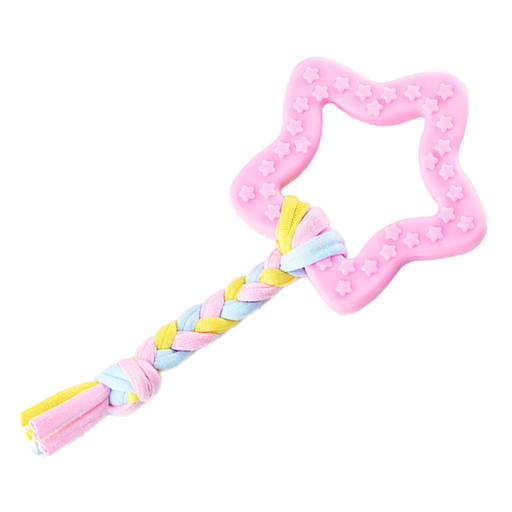
Why this choice suits this profile: The combination of TPR and braided rope lets you try tugging, fetching and moderate chewing with just one accessory. According to the manufacturer, it’s suitable for small and medium-sized dogs weighing up to around 15 kg.
The usage limit for moderate chewers is clearly stated. That helps you avoid choosing it for a dog that destroys its toys in minutes.
A star shape, varied textures, a lightweight design and the option to play tug or fetch.
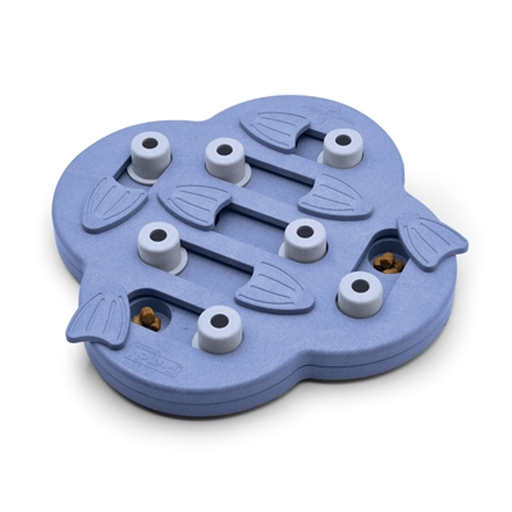
Why this choice suits this profile: This puzzle game focuses on mental stimulation rather than sheer durability. Its sliding compartments let you hide treats and offer calm play sessions at home.
It doesn’t claim to replace physical exercise: its appeal lies in the search for rewards. Use it under supervision with suitable treats.
Dimensions of 33 × 33 × 5 cm, compartments for hiding treats and cleaning with warm water and mild soap.
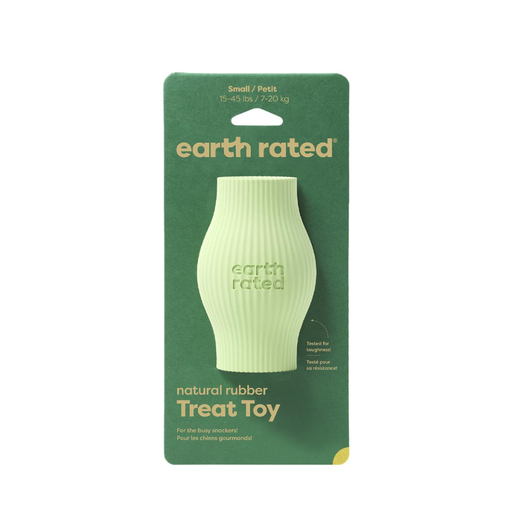
Why this choice suits this profile: This treat-dispensing toy can be filled with kibble, rewards or peanut butter. Its rolling, unpredictable shape suits dogs that need regular indoor entertainment.
The amount of food can be adjusted depending on how much you fill it. The toy’s appeal doesn’t rely solely on a squeaker or a texture to hold your dog’s attention.
Natural rubber, dimensions of 13 × 8.5 cm and dishwasher-safe on the top rack.
We’ve put together a comprehensive, real-time updated list of products that meet these strict selection criteria and European safety regulations.
There’s no universal lifespan. A fabric or rope toy may wear out faster than a nylon model, but jaw strength and frequency of use are the deciding factors. Regular inspection is more reliable than the manufacturer’s stated lifespan.
Choose a toy that’s the right size for your puppy, easy to grip and designed for moderate chewing. Avoid small parts and always supervise playtime, especially during the first few uses.
It can increase daily calorie intake if the rewards are added to your dog’s usual meals. Instead, use part of your dog’s kibble ration or reduce the amount of treats, taking your pet’s overall diet into account.