
Livraison le jour même ou le lendemain

Qualité garantie

Débloquez vos offres de bienvenue: Livraison GRATUITE | Jusqu'à -80 % | 30 jours d'essai gratuits à JoyPlus
Téléchargez l'application
Choosing a dog toy? It seems simple enough. But pet store aisles and online shops are overflowing with promises that are rarely kept. Between the toy that gets destroyed in five minutes flat and the one that poses a real safety risk, it's easy to make the wrong purchase. As the Head of Product Recommendations at Joybuy, my mission is to help you cut through the noise and find the toy that truly meets your pet's needs.
Before we unveil our top picks, let's review the most common pitfalls to avoid?:
To make the right choice, it's better to rely on objective, technical criteria than on flashy packaging.
The material is the number-one criterion. It determines not only the toy's durability but, more importantly, its safety.
A good dental dog toy often incorporates textures (nubs, grooves) that help massage gums and clean teeth during chewing.
Every dog has different play needs. Identifying your pet's profile is the key to choosing the right type of toy.
Instead of a random list, here are our targeted recommendations for each type of dog.
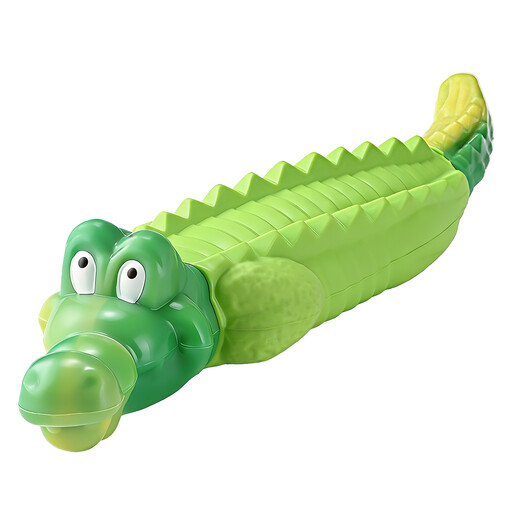
Why it's a great match : Specially designed for medium to large dogs with powerful jaws, this toy withstands repeated assaults without giving in too quickly.
Its dual-layer structure (hard nylon core, soft natural rubber exterior) is the perfect answer to the "fake indestructible" trap. It offers enhanced durability against relentless chewing.
This combination of hardness and flexibility satisfies the chewing instinct while being less harsh on the gums than a 100% rigid toy.
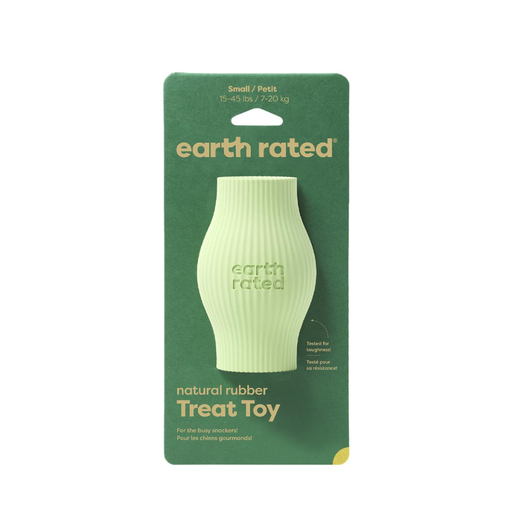
Why it's a great match : Perfect for dogs who need more than just physical exercise. This toy forces them to think to get their reward, making it an excellent way to combat boredom and anxiety.
It avoids the "gimmicky interactivity" trap. Its wobbling and rolling shape creates an unpredictable movement that captures a dog's attention for much longer than a simple squeaker.
Made of durable natural rubber, it can be filled with dry or wet treats (like p?té or peanut butter) and is very easy to clean, as it's dishwasher-safe.
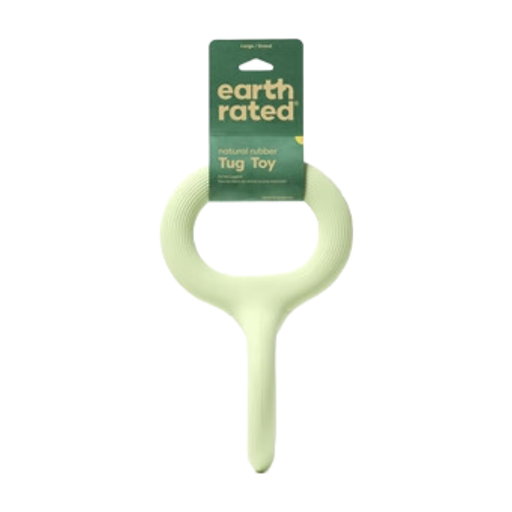
Why it's a great match : The perfect accessory for owners who love to share playtime with their dog. It's built for intense, cooperative games of tug-of-war.
It sidesteps the pitfall of questionable materials thanks to its responsibly sourced natural rubber. Its ergonomic design also has the benefit of protecting the owner's wrist while maintaining a safe distance from the dog's mouth.
Its two ergonomic handles and curved shape ensure a comfortable and intuitive grip for both the human and the dog, making playtime more enjoyable and secure.
We've curated a complete selection of products that meet our strict criteria for safety and durability.
It all depends on the material. Rubber, nylon, or TPE toys can usually go in the dishwasher (top rack) or be hand-washed with warm water and mild soap. A thorough rinse is essential. For plush toys, check the label?: some can be machine-washed on a gentle cycle.
There's no hard and fast rule; vigilance is key. Inspect your dog's toys regularly. Replace them as soon as they show signs of advanced wear?: pieces breaking off, significant cracks, or if the toy has become too small to be chewed safely. A damaged toy can pose a choking or intestinal blockage hazard.
It varies enormously depending on the dog's jaw strength, determination, and, of course, the quality of the toy. A toy might last for months with a moderate chewer but only a few days (or even hours) with a born "destroyer." This is why it's crucial to choose a toy suited to your dog's chewing strength, rather than buying into a promise of universal durability.