
Livraison le jour même ou le lendemain

Qualité garantie

Débloquez vos offres de bienvenue: Livraison GRATUITE | Jusqu'à -80 % | 30 jours d'essai gratuits à JoyPlus
Téléchargez l'application
A dog toy can keep your companion entertained for hours… or end up in pieces after the very first session. Between promises of durability, sound effects and claims about dental hygiene, it’s not always easy to separate genuinely useful features from mere marketing spin.
To make the right choice, focus on three criteria: jaw size, chewing strength and the type of activity you’re after. A chew toy for dogs doesn’t serve the same purpose as an interactive toy designed for training or mental stimulation.
A material might withstand a few games of tug-of-war without being right for a dog that systematically destroys its toys. Fabric, rope or stuffed models are generally designed for supervised play. Nylon and certain rubber constructions are better suited to sustained chewing, depending on their design.
So the word “tough” doesn’t let you off checking the recommended size and intended chewing level. Always consult the manufacturer’s guidelines.
A dog ball or chew bone needs to be large enough to reduce the risk of accidental ingestion. On the flip side, an oversized toy can be awkward for a puppy or small dog to pick up.
Dimensions given in centimetres are far more useful than a vague “all breeds” label. To choose a toy suited to a small or large dog, look at its shape, its diameter and whether your pet can carry it without difficulty.
A squeaky dog toy easily grabs attention thanks to a squeaker or noise-making mechanism. It’s a good way to add variety to play, but the internal device becomes something to watch if your dog bites hard.
A dental dog toy with ridges can support chewing and help massage gums. However, it doesn’t replace veterinary-recommended care or proper oral hygiene.
A design combining several materials can offer a range of sensations, for example TPR with braided rope. However, it should be inspected after every session.
For a puppy, choose a toy that’s easy to pick up and made from a material suited to still-irregular chewing. A small dog will generally enjoy a ball or compact toy, while a medium or large dog will need a more substantial structure.
Some models are linked to a specific weight threshold. The Nylabone Dura Cheese Bone, for example, is recommended for dogs up to 23 kg. This limit should be compared with your pet’s actual weight, but also with the strength of its jaw.
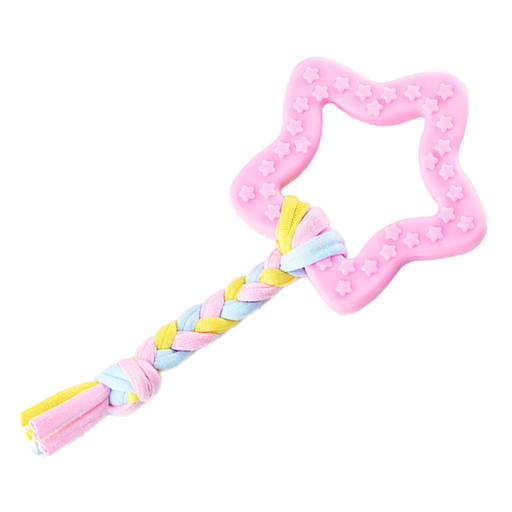
Why this choice suits this profile: Its star shape, TPR and braided strands make it a great introduction to tug-of-war, fetch and moderate chewing. It’s recommended for small and medium dogs up to around 15 kg.
The product page clearly states the weight and chewing limits. So you can’t choose it for a powerful dog just because it’s described as tough.
Combination of TPR and textile rope, lightweight to hold and a bright colour that’s easy to spot outdoors.
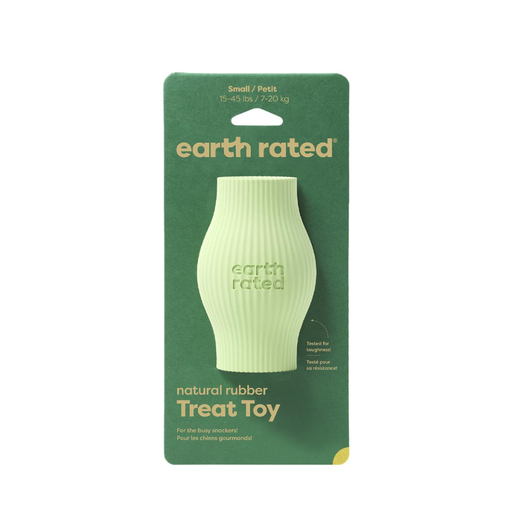
Why this choice suits this profile: This treat-dispensing toy is aimed at owners looking for a more structured activity, both at home and during quiet moments.
Its function is crystal clear: you fill it with treats or kibble. No vague promise of stimulation to rely on.
Natural rubber, an unstable shape that rolls unpredictably, and can be cleaned on the top rack of the dishwasher.
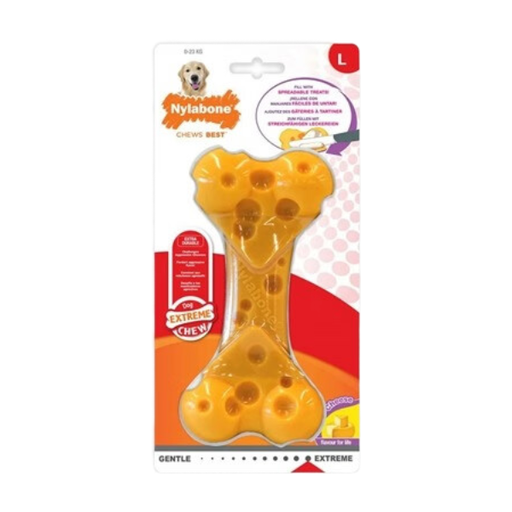
Why this choice suits this profile: Its pressed-nylon construction and recommendation for dogs up to 23 kg make it suitable for dogs that regularly need to let off steam by chewing.
The maximum weight is clearly stated. However, remove the toy if fragments come loose or wear creates sharp edges.
Pressed nylon, cavities that can hold a food paste and a softer central section, according to the product page.
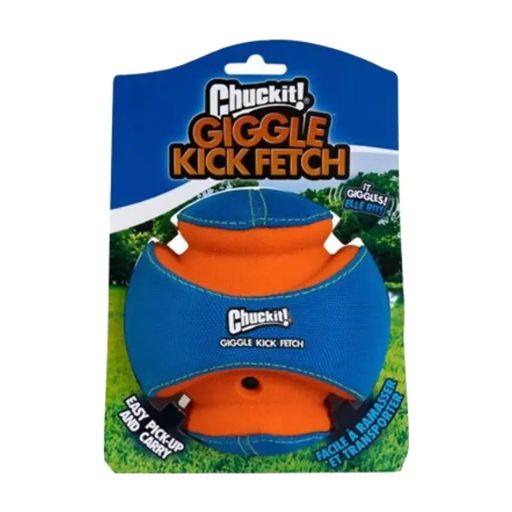
Why this choice suits this profile: This squeaky dog toy is designed to be thrown or rolled. It’s ideal for fetch games in a garden, a dog-friendly park or any other suitable outdoor space.
The product page states it’s not intended for dogs that chew very hard: it’s a toy for active play, not something to leave freely available.
Approximately 14 cm diameter, foam core, textile cover and a sound that activates when the toy rolls or is thrown.
We’ve put together a comprehensive, real-time updated list of products that meet these demanding selection criteria and European safety regulations.
Even a well-chosen dog toy needs to be inspected regularly. Remove it as soon as you notice:
Clean the toy following the manufacturer’s instructions. Some models can be rinsed with water, while others should only be wiped with a damp cloth. Avoid high temperatures where they are not recommended. The lifespan depends on how often it’s used, the material and your pet’s behaviour: no fixed duration can be guaranteed.
Start with a puppy toy that’s easy to pick up, soft but large enough not to be swallowed. Sessions should remain supervised, especially during teething. Remove the toy as soon as any part comes loose.
Replace it as soon as fragments come loose, sharp edges appear or its structure starts to degrade. A dog that chews intensively can wear out a toy much faster than one that uses the same model only occasionally.
It all depends on what you put inside. You can use part of your dog’s daily kibble ration to avoid adding treats every time. However, keep an eye on the amounts dispensed and adjust them to your dog’s eating habits.