
Livraison le jour même ou le lendemain

Qualité garantie

Débloquez vos offres de bienvenue: Livraison GRATUITE | Jusqu'à -80 % | 30 jours d'essai gratuits à JoyPlus
Téléchargez l'application
As a product expert at Joybuy, every day I see owners who are overwhelmed by the (virtual or physical) dog toy aisles. It's true that the selection is immense. But be careful—choosing the right dog toy isn't just about falling for the most colourful one. At best, a bad purchase will end up gathering dust in a corner. At worst, it can pose a safety risk to your pet.
This guide is here to help you see things more clearly, avoid common traps, and find the safe, durable, and stimulating toy that will truly delight your companion.
Marketing is often more creative than the toys themselves. Here are the three most common traps that lead to purchases you'll quickly regret.
To make the right choice, three criteria must be scrutinised. They determine the toy's safety, longevity, and appeal to your pet.
Don't just rely on the "non-toxic" label. Take an interest in the toy's actual composition.
A toy that's perfect for a puppy can be a hazard for a Great Dane. The toy must be large enough that it can't be swallowed, but manageable enough for your dog to play with. Also, observe your dog's chewing "style":
Each toy meets a specific need.
To help you put theory into practice, here is our selection of toys suited for every profile, designed to bypass the pitfalls we've just discussed.
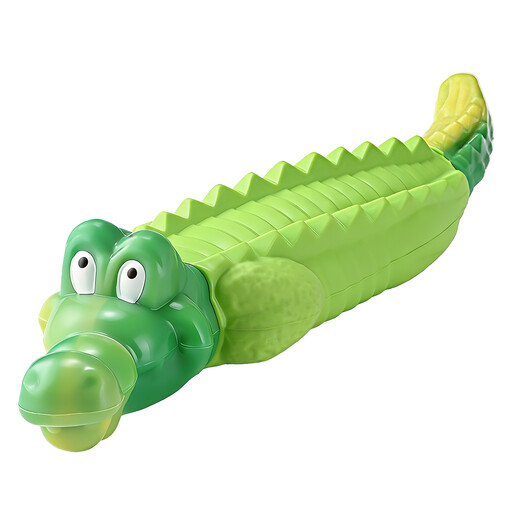
Why this toy is a great fit: Designed for medium to large dogs that tend to destroy their toys quickly. Its shape and texture are engineered for prolonged, satisfying chewing.
It busts the "indestructible" myth by offering a smarter solution: a dual-layer structure with a hard nylon core and a flexible natural rubber exterior. This design absorbs the force of the jaw instead of snapping.
The combination of hardness and flexibility provides enhanced durability while being less harsh on the gums than a completely rigid toy.
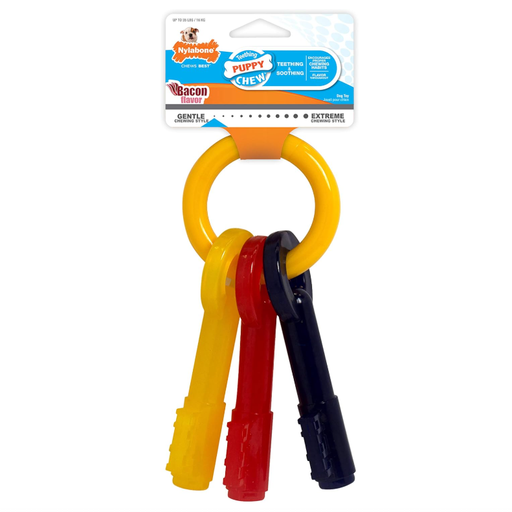
Why this toy is a great fit: Specifically designed for teething puppies under 16 kg, it helps soothe sore gums and teaches good chewing habits.
It avoids the danger of a toy that's too hard for puppy teeth. Its softer material is suitable for young jaws and is designed not to splinter, a common risk when adult toys are given to puppies.
The bacon flavour encourages the puppy to chew this toy instead of your shoes. The texture helps clean teeth and prevent tartar buildup from an early age.
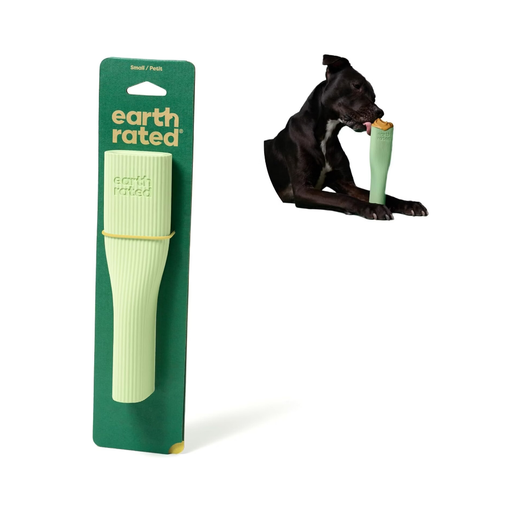
Why this toy is a great fit: Perfect for dogs that get bored easily and need mental stimulation to channel their energy. It turns mealtime or snack time into a puzzle game.
It combats the "ignored toy" syndrome by not being a passive object. It requires action from the dog to get a reward, which guarantees lasting engagement and prevents boredom.
Versatile, it can be filled with dry or wet treats and even frozen for a refreshing, longer-lasting challenge. It's also dishwasher-safe for effortless cleaning.
Browse our complete selection of dog toys, all hand-picked for their safety, durability, and play potential.
A daily visual inspection is an excellent habit. There's no fixed lifespan for a toy, as it depends on your dog's jaw strength and the product's quality. Immediately replace any toy that shows cracks, has parts breaking off, or has become small enough to be swallowed.
In theory, this label guarantees that the product is free from chemicals known to be hazardous, such as BPA, phthalates, or lead. However, this term is not strictly regulated. For added safety, favour brands that are transparent about their materials and look for clear compositions like "100% natural rubber" or "food-grade nylon."