
Livraison le jour même ou le lendemain

Qualité garantie

Débloquez vos offres de bienvenue: Livraison GRATUITE | Jusqu'à -80 % | 30 jours d'essai gratuits à JoyPlus
Téléchargez l'application
A dog toy can keep your pet occupied, stimulate them and strengthen the bond with their owner. But a hasty purchase can just as easily result in a toy that is torn apart in a few days, too small for their jaw, or impossible to clean properly. A fun shape and a promise of durability are not enough to make the right choice.
A toy marketed as "durable" is not necessarily suitable for a dog that bites hard. A fabric, stuffed or squeaky model may be perfectly fine for occasional use, but it won't hold up long against the onslaught of a particularly destructive dog.
Size is just as important. A toy that is too small can be swallowed or become stuck in the mouth. Conversely, an oversized model will be difficult for a puppy or small dog to pick up.
The ridges on a teething toy for dogs or a dog teeth-cleaning toy can rub against the teeth during chewing. This does not replace the oral hygiene recommended by a professional or veterinary check-ups.
Claims like "reduces tartar" or "freshens breath" remain manufacturer assertions, not a guaranteed result valid for all dogs.
A squeaky dog toy easily grabs attention, but the built-in squeaker becomes a weak point if your pet tries to extract it. A tug rope for dogs, on the other hand, can eventually fray. Loose threads, rubber pieces and internal components should never be left within your pet's reach.
Even when a toy is presented as durable, inspect it before and after every session.
Durability should always be matched against your dog's actual behaviour: light, regular or particularly intense chewing.
For a puppy or small dog, a compact, lightweight format will be easier to carry. A medium-sized dog can generally handle larger shapes, while a large dog needs a toy designed for a firm grip. Dimensions like 24 × 6 cm or 23 × 23 × 3.5 cm provide a starting point, but your pet's individual build remains the deciding factor.
A toy that can be washed with water is practical for outings and frequent use. Others only need wiping with a damp cloth. In all cases, follow the manufacturer's instructions: some models must not be submerged, put in the washing machine or exposed to high heat.
Replace the toy at the first sign of concern: a crack, open seam, heavily frayed rope, detached piece or a squeaker that has become accessible.
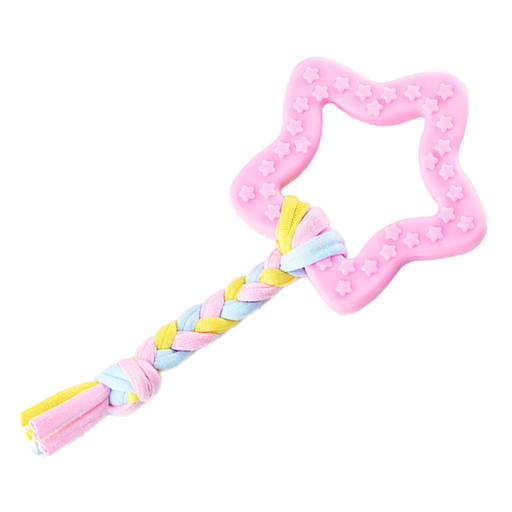
Why this choice suits this profile: Its combination of TPR and braided rope offers variety: tug-of-war, fetch and moderate chewing. Lightweight, this toy is suitable for small and medium dogs as well as puppies over 12 weeks old.
The listing states it is intended for moderate chewing and recommends replacing it as soon as fibres come loose or the TPR begins to degrade.
An easy-to-grab star shape, varied textures and cleaning possible with warm water and mild soap.
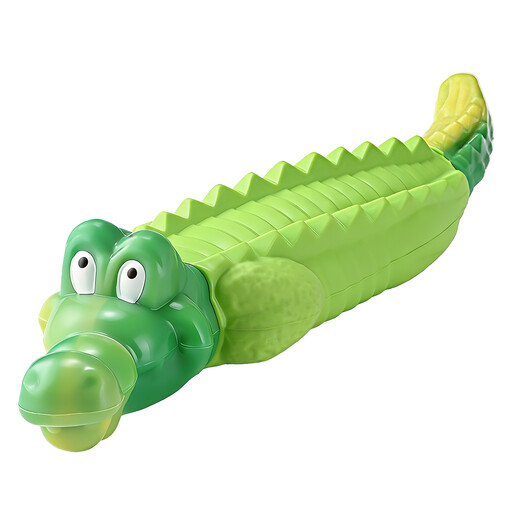
Why this choice suits this profile: Its double-layer design combines a nylon core with a natural rubber outer layer. At 24 × 6 cm, it targets medium and large dogs for fetch and tug games.
The "medium and large dogs" label reduces the risk of choosing a toy too small for a powerful jaw. The listing still recommends regular supervision.
A textured crocodile shape, easy grip and cleaning by rinsing with water, followed by air drying.
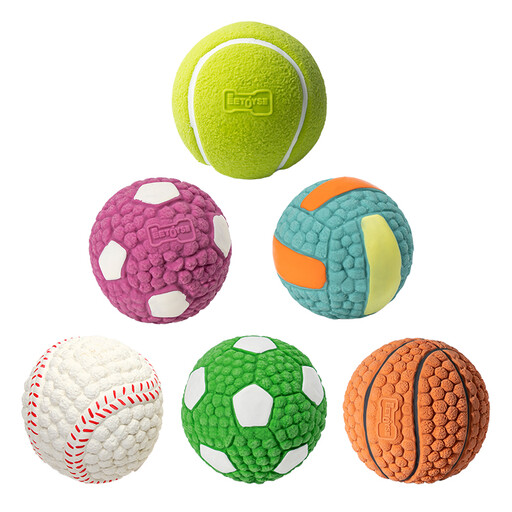
Why this choice suits this profile: The six squeaky balls, available in sizes from 6 to 7.5 cm, allow for varied fetch games, training sessions and interactions, both indoors and outdoors.
The diameter of each ball is stated, making it easier to rule out an unsuitable size. Stay vigilant if your dog bites hard or tries to open the ball.
Soft latex, a built-in squeaker and a structure that can be washed with clean water, without boiling water or disinfectant.
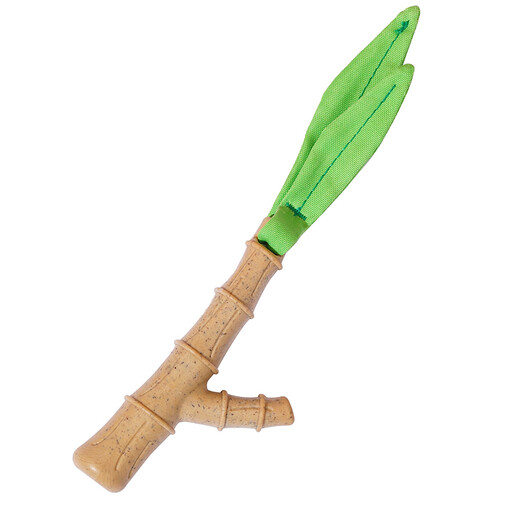
Why this choice suits this profile: Its stick shape and ridges appeal to dogs that love to chew, while also allowing for fetch games. Dimensions differ depending on whether you measure the stick alone or the whole item including the leaves.
The listing mentions pressure-moulded manufacturing and recommends removing the toy as soon as it is worn or damaged, rather than prolonging its use.
A combination of nylon, wood chips and Oxford fabric, with cleaning by wiping with a damp cloth.
We have compiled a comprehensive, real-time updated list of products that fully meet these strict selection criteria and European safety regulations.
Introduce the toy gradually, especially if it is a puppy toy or a squeaky model. A short session will allow you to observe how your pet picks it up and bites it. For tug games, avoid sudden movements and teach them to release the object on command.
After each use:
A toy should never be mistaken for food. If your dog swallows a piece or shows unusual behaviour, contact a vet.
Choose a size that is large enough and a structure explicitly designed for chewing, for example in nylon or with a double layer. No material withstands all behaviours: inspect the toy regularly and remove it at the first sign of a crack or sharp edge.
The ridges can provide mechanical friction during chewing, but their effectiveness depends on the animal and how they use the toy. A teething toy does not replace brushing, appropriate dental care or the advice of a veterinary professional.
It all depends on the material, frequency of use and chewing strength. A squeaky or fabric toy may need replacing sooner than a rigid model. The best approach is not to rely on a theoretical lifespan: inspect it before each session and change it at the first signs of wear.