
Livraison le jour même ou le lendemain

Qualité garantie

Débloquez vos offres de bienvenue: Livraison GRATUITE | Jusqu'à -80 % | 30 jours d'essai gratuits à JoyPlus
Téléchargez l'application
As dog owners, we all know the struggle: finding the perfect toy for our furry friend can feel like an uphill battle. The market is saturated with promises, but the reality is often disappointing: a toy destroyed in minutes, a complete lack of interest from your companion, or worse, a safety hazard. At Joybuy, our mission is to help you navigate the options. This guide breaks down the essential criteria for choosing a dog toy that is suitable, durable, and safe, while helping you avoid the most common marketing traps.
Before you start shopping, it's crucial to be aware of the two most common pitfalls. They can not only drain your wallet but also endanger your pet.
1. The Myth of the "Indestructible" Toy Many manufacturers overuse this for marketing purposes. Let's be clear: an indestructible dog toy doesn't exist, especially when faced with a determined chewer. The real goal isn't absolute indestructibility, but controlled durability. A good toy should withstand intense chewing without breaking into sharp, small pieces that could be ingested. A toy that crumbles into tiny, non-toxic particles is often much safer than a hard plastic one that shatters.
2. Vague and Potentially Harmful Materials Vague descriptions like "durable plastic" or "heavy-duty rubber" offer no real guarantee. This lack of specifics can hide the presence of substances like BPA (bisphenol A) or phthalates, which are endocrine disruptors known for their harmful effects. A transparent manufacturer will always specify the exact composition of their products (e.g., food-grade nylon, non-toxic natural rubber).
To ensure you pick a toy that your dog will love and that gives you complete peace of mind, focus on these three fundamental parameters.
The choice of material is critical. Each type meets a specific need:
A toy is more than just something to chew on. It should fulfill a specific behavioural need:
The toy's size must be appropriate for your dog's jaw. A toy that's too small poses a choking hazard, while one that's too large will be difficult to handle. A large dog toy must be bulky and robust, whereas a puppy toy should be lighter and suited for their developing teeth. The shape is also important: a textured surface can help clean teeth, and an easy-to-grip design will encourage play.
Rather than a generic list, we've matched dog profiles with toys that meet specific needs, always keeping our safety and durability criteria in mind.
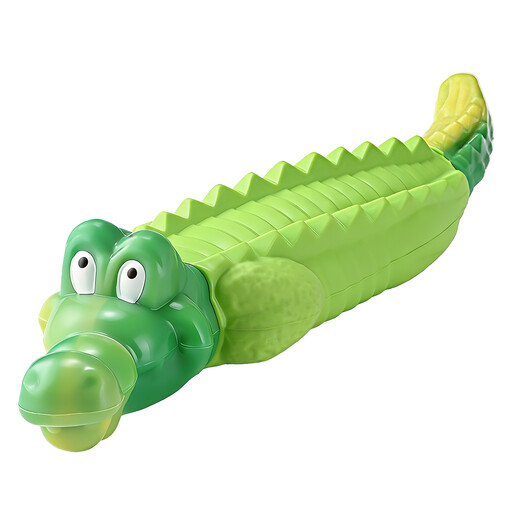
Why it's a great fit: Specifically designed for medium to large dogs, its size and sturdiness meet the demands of the most aggressive chewers.
It doesn't just promise to be "indestructible." Its dual-layer structure (nylon core, natural rubber exterior) offers verifiable durability, designed to withstand chewing without breaking into dangerous fragments.
The combination of hard nylon and flexible rubber protects the gums while satisfying the chewing instinct. Its 3D shape makes it easy to grip.
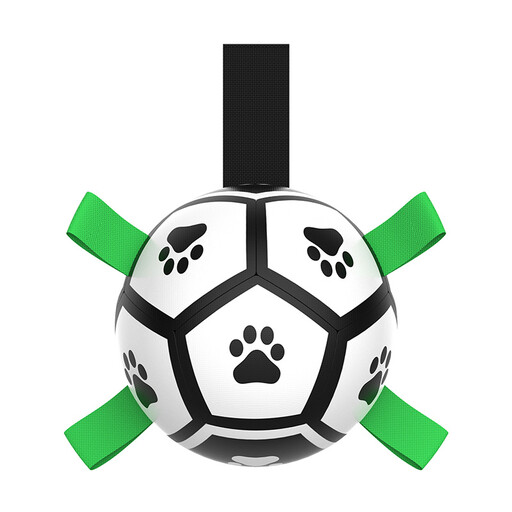
Why it's a great fit: Perfect for high-energy dogs that love to run and fetch. It's designed for shared outdoor play, promoting exercise and strengthening the owner-dog bond.
This is not a chew toy. Its purpose is clearly defined: interaction (throwing, chasing). This prevents the disappointment of seeing it destroyed by intense chewing, which it simply isn't designed for.
Its lightweight and highly elastic design provides excellent bounce. Its inflatable format allows for compact storage and easy transport for playtime anywhere.
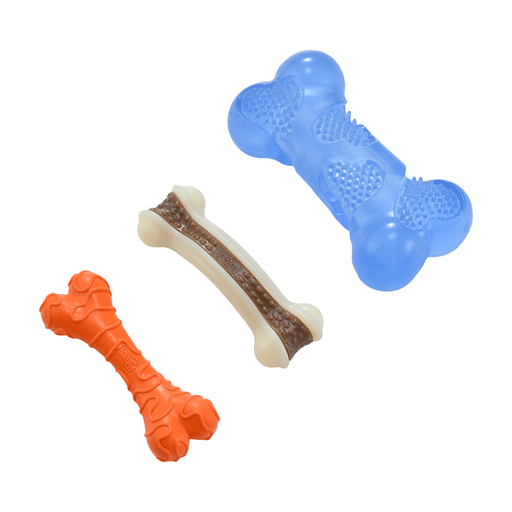
Why it's a great fit: Suitable for all dog sizes, including puppies, this set helps soothe gums during teething and keeps moderate chewers occupied.
The material is specifically chosen to be wear-resistant yet soft, which eliminates the risk of injuring sensitive gums or damaging developing teeth—a very real danger with overly hard plastics.
The toy's textured surface contributes to teeth cleaning by reducing tartar buildup during chewing. Its playful design also helps channel energy and beat boredom.
We've compiled a comprehensive list of products that meet our strict selection criteria and current safety standards.
How often should I replace my dog's toy? There's no absolute rule, as it all depends on your dog's jaw strength and the toy's durability. Inspect their toys weekly. Replace them as soon as they show significant signs of wear: cracks, pieces breaking off, or if they've become too small (posing a risk of ingestion or choking).
What materials are considered safe for chew toys? Prioritise materials with a clearly stated origin. Natural rubber, food-grade nylon, and TPR (thermoplastic rubber) are generally reliable choices. For complete peace of mind, always look for "non-toxic" and "BPA-free" labels on the packaging or product page.
How do I properly clean my dog's toys? For rubber or nylon toys, hand-washing with warm water and a mild soap (like an unscented dish soap) is sufficient. Rinse thoroughly to remove any soap residue. For plush toys, check the label: some can be machine-washed on a low temperature. In any case, make sure the toys are completely dry before giving them back to your dog.