
Livraison le jour même ou le lendemain

Qualité garantie

Débloquez vos offres de bienvenue: Livraison GRATUITE | Jusqu'à -80 % | 30 jours d'essai gratuits à JoyPlus
Téléchargez l'application
Buying dog products isn’t just about comparing prices or trusting the promises printed on the packaging. Kibble that’s suitable for a small adult dog won’t necessarily be right for a puppy. Likewise, a toy that’s marketed as tough can wear out quickly if your companion spends all their time chewing it.
Three mistakes crop up time and again when making your choice:
When it comes to food, start by distinguishing between a puppy, an adult dog and, where this category is offered, a senior dog. Needs also change depending on weight and daily activity. A food intended for small dogs should provide clear feeding guidelines and remind you to make a gradual transition.
For example, Ultima dry food for small adult dogs recommends a daily portion of 30 to 120 g for an animal weighing between 1 and 10 kg. This amount should be adjusted according to the dog’s age, activity and physical condition. The manufacturer also advises a transition period of 7 to 10 days, as well as leaving fresh water available. This information makes daily portioning easier and avoids suddenly upsetting your pet’s diet.
Dog treats, including those intended for puppies, are complementary foods. They should be given in moderation and counted towards the daily intake. Schmackos, for instance, contain fewer than 30 kcal per piece and offer guidelines based on the animal’s weight: up to one piece for a small dog, two for a dog weighing 10 to 24 kg, and four for dogs over 25 kg. The main meal portion should be adjusted accordingly.
A dental stick for dogs also doesn’t replace regular mouth care. The format and recommended age should be taken seriously: the Dentastix shown here are designed for dogs weighing 10 to 25 kg and for young dogs from 4 months old. According to the clinical studies cited by Pedigree, daily use can help limit tartar build-up under the conditions specified by the manufacturer. However, this is a commercial claim, not veterinary advice.
Before choosing a dog toy, check its dimensions, material and how easy it is to clean. A model that’s too small can pose a risk for a large dog, while a very hard toy won’t necessarily suit a puppy or an animal that plays without chewing intensely.
Toys made from natural rubber or thermoplastic elastomer are well suited to games of fetch, search and treat dispensing. That said, no toy is indestructible. Inspect it before each use and remove it as soon as a part comes loose, a crack appears or the material becomes heavily worn.
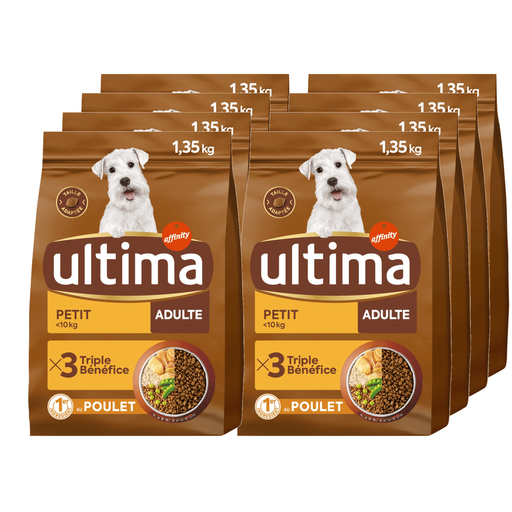
Why this choice suits this profile: With its 10.8 kg bag, this product is ideal for owners of a small adult dog who want a convenient supply for everyday meals.
The food category and target weight are clearly stated. The feeding and transition guidelines reduce common mistakes when switching kibble.
A complete dry food for small adult dogs, with 27% crude protein and storage advice after opening.
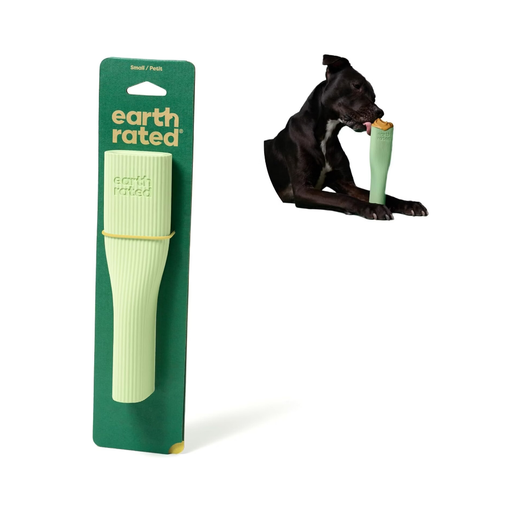
Why this choice suits this profile: This model is aimed at households looking for a well-designed enrichment toy to use indoors for calm play sessions.
Size S is indicated for small dogs. Choosing the right size prevents giving them a toy that’s too bulky or difficult to grip.
Natural rubber, a cavity for dry or wet food, freezer compatibility and dishwasher-safe cleaning on the top rack.
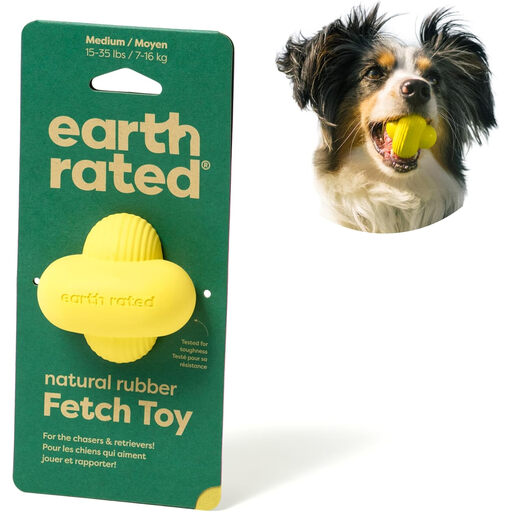
Why this choice suits this profile: Its shape lends itself to games of fetch and retrieve, whether in the park, on the beach or by the water’s edge.
The dimensions are clearly stated and the manufacturer recommends regular inspection. A heavily used toy should be replaced as soon as it shows signs of wear.
Natural rubber, an irregular bounce, high visibility thanks to its yellow colour and a floating design for games on land or in water.
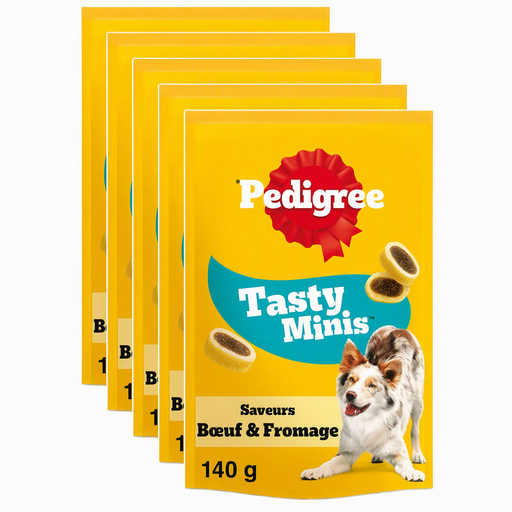
Why this choice suits this profile: These small bites are handy for training, walks or reward sessions with a young dog.
The packaging states that this is a complementary food for young dogs. These treats therefore don’t replace meals, and the usual portion should be adjusted accordingly.
A 700 g format, beef and cheese bites, storage advice after opening and intended use as a reward.
We’ve put together a comprehensive, real-time updated selection of products that meet these exacting criteria as well as European safety standards.
It all depends on the dog’s weight, age, activity level and the product chosen. Refer to the manufacturer’s recommendations and slightly reduce the main meal portion if needed. Treats remain complementary foods: they should be taken into account in the daily intake.
Its lifespan depends on the material, how often it’s used and the way the dog plays. A toy used every day by an animal that chews heavily will generally wear out faster. Regularly check the seams, cracks, any pieces that come loose and any changes in texture.
No. Dental sticks can complement a dog’s oral hygiene routine if they’re suited to its weight and age. They don’t replace professional advice or the hygiene care that’s right for your pet.