
Livraison le jour même ou le lendemain

Qualité garantie

Débloquez vos offres de bienvenue: Livraison GRATUITE | Jusqu'à -80 % | 30 jours d'essai gratuits à JoyPlus
Téléchargez l'application
Navigating the jungle of dog kibble to find the perfect one can feel like an uphill battle. Between opaque ingredient lists, marketing promises, and your companion's unique needs, it's easy to feel overwhelmed. Our mission? To guide you every step of the way. This guide is designed to give you clear insights and practical advice for choosing THE dog kibble that truly supports their health and needs.
Before we get to our top picks, let's review the essential criteria to ensure you make the right choice.
The ingredient list is the kibble's identity card. Golden rule: the first ingredient is the most abundant. For a premium dog food, a quality animal protein source (chicken, lamb, fish) must be at the top of the list. In fact, chicken-based dog kibble is often a favourite for its excellent digestibility and appealing taste.
Also pay attention to the other components:
Every dog is different, and so is their ideal kibble. The perfect food should match their profile: size, age, activity level, and overall health.
Grain-free kibble is a hot topic. It replaces traditional grains with other carbohydrate sources like peas, lentils, or sweet potatoes. This is a relevant option for dogs with a confirmed sensitivity or intolerance. However, not all grains should be demonised: a balanced recipe with high-quality grains (rice, oats) can be perfectly digestible for most dogs. The most important thing is the overall quality of the ingredients and the balance of the formula.
Enough with the theory, let's get practical! Here are three products we've selected for their high-quality composition and suitability for specific dog profiles.
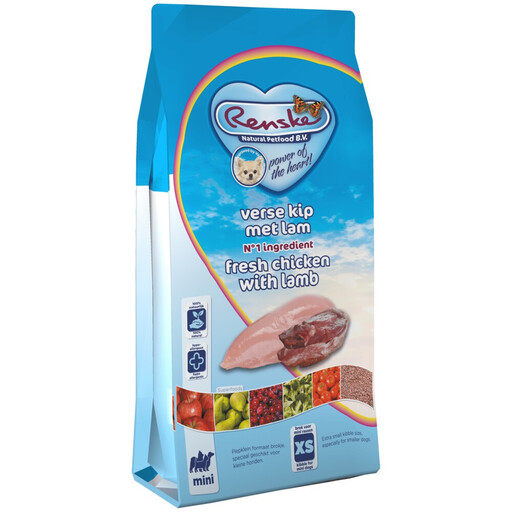
Why we recommend it: This formula is packed with animal-based ingredients (59%), including an impressive 26% fresh chicken. This guarantees high-quality protein. The mini kibble size (7.4 x 4 mm) is ideal for small jaws.
Highlights:
Who is it for? For adult small breed dogs (up to 10 kg) whose owners are looking for a premium, fresh meat-rich, and perfectly calibrated food.
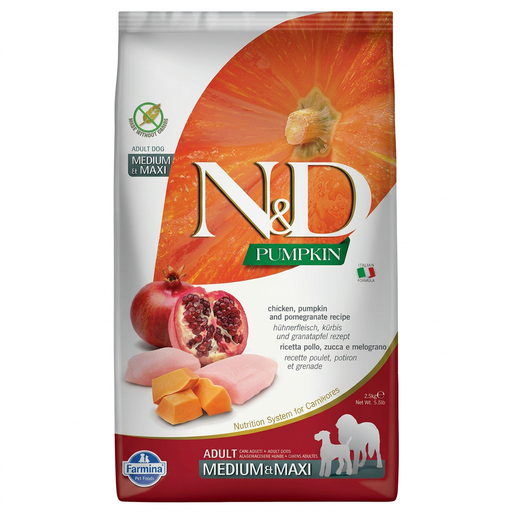
Why we recommend it: Farmina N&D Pumpkin goes all-in on animal protein, which makes up 96% of the total protein content! The addition of pumpkin, a vegetable with numerous benefits, provides fibre and vitamins. It's a grain-free formula designed to closely mimic a carnivore's natural diet.
Highlights:
Who is it for? For adult medium to large breed dogs. Ideal for owners who prefer a dry dog food that is very high in protein and grain-free, either by choice or for a pet with a sensitive digestive system.
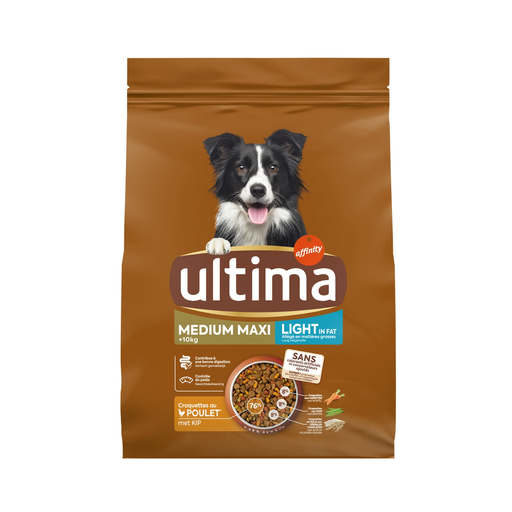
Why we recommend it: The Ultima Light recipe is designed for weight management. With only 10.1% fat and a high fibre content, it promotes satiety while controlling calorie intake. An effective and affordable solution for dogs prone to weight gain.
Highlights:
Who is it for? For adult dogs (over 10 kg) prone to being overweight, or as a light kibble for neutered dogs to help maintain an ideal weight post-procedure.
Canine nutrition is a vast topic, and every dog has its own tastes. If our selection doesn't perfectly match your needs or if you want to explore other flavours, feel free to browse our full catalogue.
? Discover our selection of 2kg chicken kibble
To avoid upsetting their digestive system, any dietary transition must be done gradually. The principle is simple: progressively mix the new kibble with the old one over 7 to 10 days.
The daily portion depends on many factors: weight, age, physical activity, and also the richness of the kibble. Always rely on the recommended feeding guidelines on the package as an excellent starting point. You will then need to adjust the amount: an athletic dog doesn't have the same needs as a couch potato! And of course, always leave a bowl of fresh water available.
Not necessarily. A grain-free kibble is an excellent solution for a dog that is sensitive to grains. For others, high-quality grains (like rice and oats) are very well-tolerated sources of carbohydrates and fibre. The most important factor isn't the "grain-free" label itself, but the overall quality of the recipe, the digestibility of the ingredients, and, above all, your dog's reaction: healthy stools, a shiny coat, and good energy levels are the best indicators.