
Livraison le jour même ou le lendemain

Qualité garantie

Débloquez vos offres de bienvenue: Livraison GRATUITE | Jusqu'à -80 % | 30 jours d'essai gratuits à JoyPlus
Téléchargez l'application
Choosing the right dog kibble can quickly become overwhelming. Faced with shelves full of marketing promises and colourful packaging, it's hard to separate the wheat from the chaff. As a Product Curation Specialist at Joybuy, my role is to help you see things more clearly. Let's forget the technical jargon and focus on the criteria that truly matter for your companion's health.
Before unveiling our top picks, let's review the pitfalls to avoid and the key points to check to make the right choice with complete peace of mind.
The dog food market is saturated with confusing marketing claims. Here are two points of caution to keep in mind:
To select a suitable diet, three essential points should guide your decision.
The dog is an opportunistic carnivore. Animal-based proteins (meat, fish) are more bioavailable and better suited to its digestive system than most plant-based proteins.
A puppy's nutritional needs are not the same as a senior's.
This section, mandatory on every bag, is a goldmine of information if you know how to read it.
Rather than a long, drawn-out list, we've chosen to match dog profiles with products that precisely meet their needs.
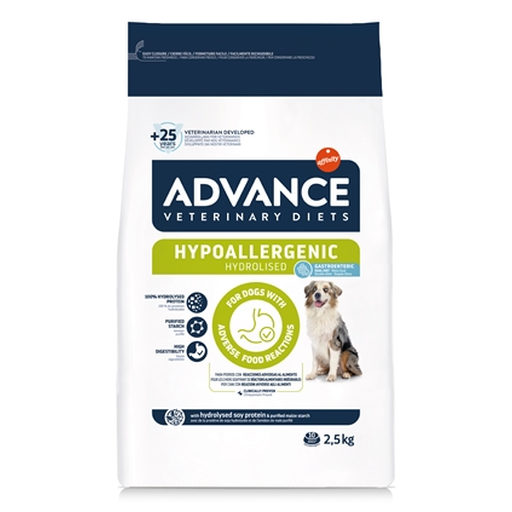
Why it's a match: Specially designed for adult dogs prone to intolerances, this dietetic food minimises the risk of allergic reactions through a targeted approach. It's a prime solution for managing your pet's sensitivities, ideally under veterinary supervision.
Rather than following a trend, its formula addresses a specific clinical need: a single source of hydrolysed protein (soy) and a single source of carbohydrate (purified starch) for maximum digestibility and virtually zero allergenic potential.
A complete dietetic formula that is self-sufficient, designed for elimination diets and the long-term feeding of intolerant dogs. A veterinarian's advice is recommended before use.
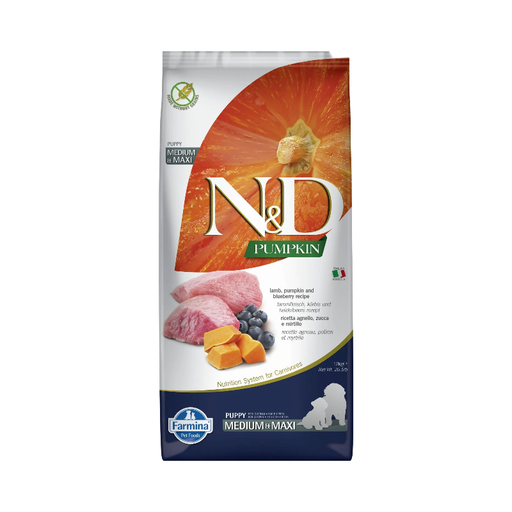
Why it's a match: This formula is tailor-made for medium and large breed puppies. It provides the high levels of protein and fat essential for the rapid growth of muscles, bones, and brain during their first few months.
The ingredient list is crystal clear: lamb is the star protein. According to Farmina, 96% of the protein is from animal sources, ensuring high biological value and avoiding reliance on less digestible plant proteins for a puppy.
High in protein (35%) and fat (20%). The addition of glucosamine and chondroitin for joint support is a significant bonus, crucial for large breed puppies.
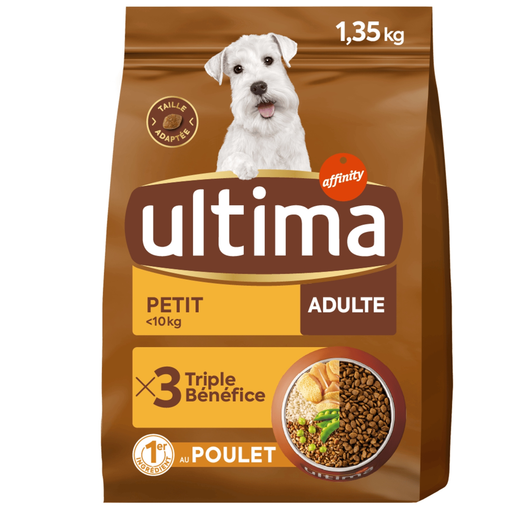
Why it's a match: This recipe considers the specific needs of small dogs (-10 kg): their fast metabolism requires an adapted energy intake, while the kibble's texture helps combat their predisposition to tartar buildup.
The composition is transparent: chicken as the first ingredient, followed by whole grains (wheat, corn) for energy. The protein (27%) to fat (16%) balance is ideal for maintaining the ideal weight of an active small dog.
The kibble's size and shape are perfectly adapted to small jaws. The formula includes specific minerals, like sodium hexametaphosphate, which help limit tartar formation.
We've curated a complete selection of products that meet our strictest quality criteria.
To avoid digestive upset, the transition should be gradual. Over 7 to 10 days, mix the new kibble with the old, gradually increasing the proportion of the new food until you have completely replaced the old one.
Not necessarily. It's an excellent option for dogs with allergies or intolerances. For others, a kibble with quality whole grains can be perfectly healthy and digestible. The most important factors remain the overall quality of the ingredients and the proportion of animal protein.
The ideal portion depends on its weight, age, breed, activity level, and, of course, the caloric density of the kibble. Always use the feeding guide on the packaging as a starting point, then adjust the amount to maintain its ideal weight. When in doubt, your veterinarian is your best resource.