
Livraison le jour même ou le lendemain

Qualité garantie

Débloquez vos offres de bienvenue: Livraison GRATUITE | Jusqu'à -80 % | 30 jours d'essai gratuits à JoyPlus
Téléchargez l'application
Choosing dog kibble isn’t just about comparing the price per kilo or being won over by a picture of a chicken on the packet. Between recipes for adult dogs, formulas for puppies, grain-free foods and options suited to small, medium or large breeds, it’s easy to feel overwhelmed.
Some marketing claims are worth a closer look:
Start by checking the product’s legal description: complete food for adult dogs, complete food for puppies or a formula designed for a specific size. A growing puppy has very different nutritional needs to an adult dog.
For smaller breeds, kibble for small dogs is usually available in a bite-sized format. A product like Ultima Small Dogs Adult Chicken is aimed at adult dogs under 10 kg and recommends a daily ration of between 30 g and 120 g, depending on weight and body condition.
For a medium or large dog, look for a clear indication of the size and adjust the amount according to their actual activity levels. For active dogs, particularly energetic pets or multi-dog households, it can be worth comparing bags of 10 kg to 17 kg. Just keep an eye on the best-before date and storage conditions.
Ingredients are listed in descending order by weight. Start by identifying the main animal sources: chicken, lamb, fish, duck, egg or dehydrated proteins.
The analytical values then give you a concrete basis for comparing recipes:
A high protein level alone doesn’t tell you whether a recipe is right for your dog. Their weight, age, activity level, digestion and body condition all play a part.
The true cost of a food depends on the daily ration, not just the price on the bag. A more concentrated recipe may be fed in smaller amounts, but the label is the only reliable source for feeding guidelines.
When switching foods, allow a gradual transition over 7 to 10 days. This lets you monitor your dog’s tolerance and minimise digestive upset. Once the change is complete, store the bag in a cool, dry place, seal it carefully after each use and always provide fresh water.
For a recipe designed for a neutered dog, such as Farmina N&D Quinoa Formula Duck, Broccoli & Asparagus, pay close attention to the recommended ration and keep an eye on weight changes. Neutering doesn’t mean all dogs have the same energy needs.
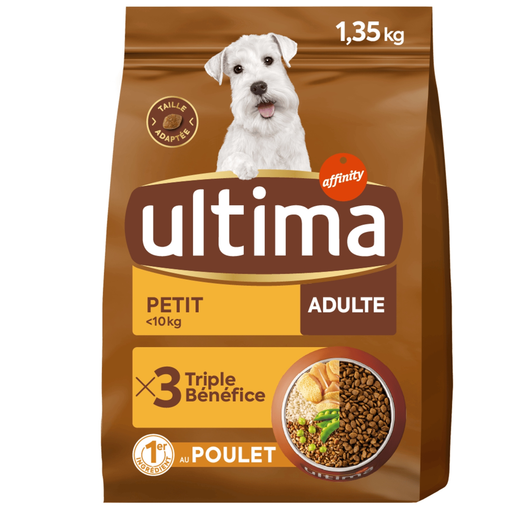
Why this suits this profile: This recipe for small adult dogs is ideal for those wanting to start with a 1.35 kg bag and an easy-to-follow ration for a pet weighing between 1 and 10 kg.
The product clearly states it’s for small adult dogs, lists its chicken-based ingredients and details the daily amounts. You’re not choosing your bag based on a vague promise alone.
27% crude protein, 16% fat and a gradual transition recommended over 7 to 10 days.
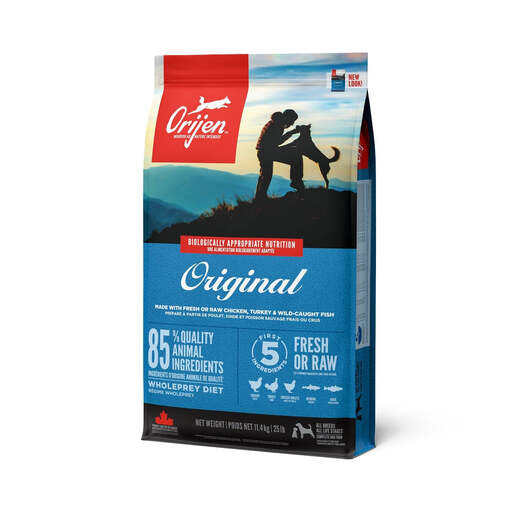
Why this suits this profile: Its 11.4 kg bag and recipe featuring chicken, turkey, fish and egg could suit owners looking for a protein-rich dry food, provided it matches their dog’s needs and ration.
The “complete food” label and analytical constituents are clearly stated. This lets you look beyond the simple “high quality” claim on the packaging.
38% crude protein, 18% fat and several feeding recommendations based on the dog’s weight.
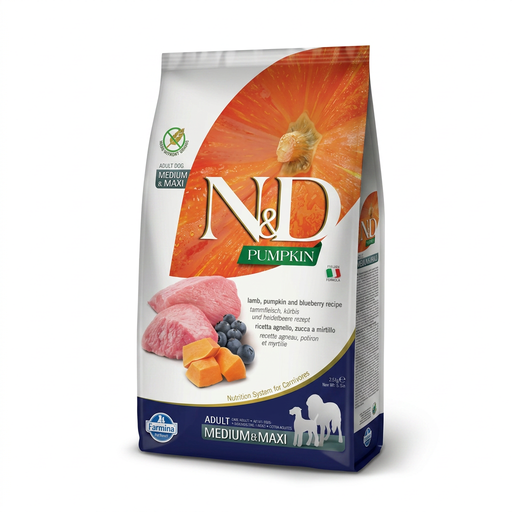
Why this suits this profile: This formula for medium to large adult dogs combines lamb, herring and pumpkin. It’s an interesting option for households looking for grain-free lamb kibble.
The recipe clearly states the target species, life stage, protein and fat levels, plus the rations for different weights. This stops you relying on slogans alone.
32% crude protein, 18% fat, a grain-free recipe and a 2.5 kg pack to test tolerance before moving to a larger bag.
We’ve put together a comprehensive, real-time list of products that meet these exacting standards, while complying with European safety regulations.
The ration depends on the dog’s weight, age, activity level and body condition. Start by following the table on the bag, then regularly check their shape and weight. Don’t forget to include treats in the daily energy intake.
No. The “grain-free” label alone doesn’t tell you whether a food is right for your dog. These kibbles often contain other sources of carbohydrates. Look at the overall ingredients and ask your vet for advice if your dog has a known food sensitivity or health issue.
Seal the bag after each use and store it in a cool, dry place away from light. How long it keeps depends on the product, the bag size and the manufacturer’s recommendations. A smaller bag can be a good idea for a small breed or for trying a new recipe. A larger bag, on the other hand, needs particularly careful storage.