
Livraison le jour même ou le lendemain

Qualité garantie

Débloquez vos offres de bienvenue: Livraison GRATUITE | Jusqu'à -80 % | 30 jours d'essai gratuits à JoyPlus
Téléchargez l'application
Choosing dog kibble isn’t simply about comparing the price per kilo or trusting a bold promise on the packet. Between “natural” recipes, grain-free formulas and claims about protein content, some essential information can still be tricky to decipher.
Here are the main traps to avoid and the criteria to check when selecting a complete dog food that suits your dog’s age, size, activity level and specific needs.
A recipe labelled “chicken” or “beef” doesn’t necessarily mean that meat makes up the bulk of the formula. Check the full ingredients list and look at the stated percentages. Some beef kibble, for example, mentions 4% beef, while the recipe also contains cereals, animal by-products and vegetable protein extracts.
Reading this carefully helps you avoid paying more for a promise that’s simply printed large on the bag.
Grain-free kibble typically replaces wheat, maize or rice with potatoes, peas, lentils or other starch sources. This may suit some dogs, but it isn’t enough to judge a food’s nutritional balance.
A dog with no known intolerance can happily eat a recipe containing grains. The priority criteria remain the complete food status, whether it’s suitable for your dog’s life stage, and how well your dog tolerates it.
A large bag may reduce the price per kilogram, but its contents will lose freshness more quickly if left open for weeks. On the other hand, a smaller size lets you test a recipe before committing to a bigger purchase.
The daily portion depends on your dog’s weight, age, activity and body condition. The guidelines on the packaging are a starting point: they should be adjusted carefully, especially for a neutered or overweight dog.
The phrase “complete food” means the product is designed to meet daily nutritional needs when fed according to the recommendations. This is different from the term “complementary food”, which means the product should be combined with other foods.
Also check the target species and life stage. Puppy kibble doesn’t meet the same needs as food for an adult dog. For a large-breed puppy, you also need to consider growth and the expected adult weight.
The protein and fat content lets you compare recipes, but you need to consider their intended purpose. A very high-protein dry dog food won’t necessarily suit a less active dog or one with specific needs.
Also look closely at the protein sources: chicken kibble, beef kibble and fish kibble may contain several animal proteins. If you suspect an intolerance, avoid switching recipes repeatedly and ask your vet for advice. A so-called hypoallergenic dog formula, such as one based on hydrolysed proteins, should be used according to the purpose stated on its packaging.
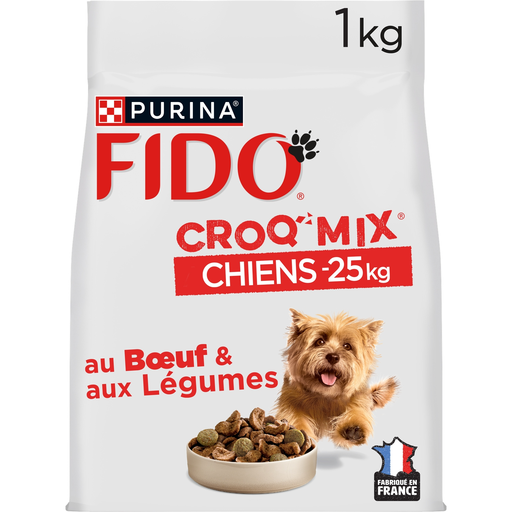
Why this choice suits this profile: The 1 kg bag lets you test a recipe for small adult dogs without starting with a bulky size. The recipe contains cereals, 4% beef, vegetables and minerals.
The ingredients list helps you put the “beef” claim into perspective and assess the recipe as a whole, rather than relying solely on its name.
Complete food for adult dogs and a handy small size for a gradual transition.
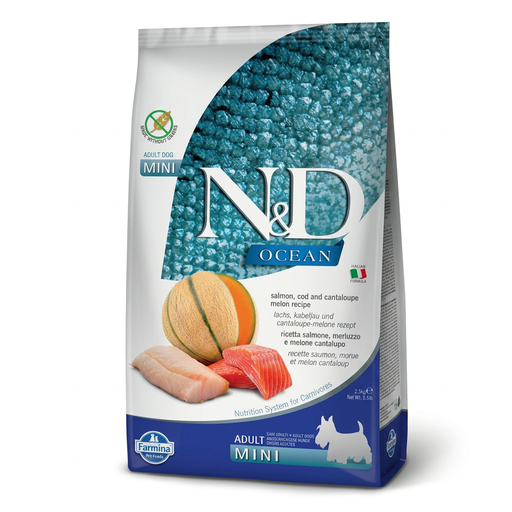
Why this choice suits this profile: This recipe for medium to large adult dogs combines salmon, cod and herring. According to the product page, it contains neither rice nor maize.
The detailed recipe lets you check the different fish sources rather than relying solely on the “grain-free” claim.
2.5 kg size, clearly stated fish proteins and declared presence of omega-3 fatty acids.
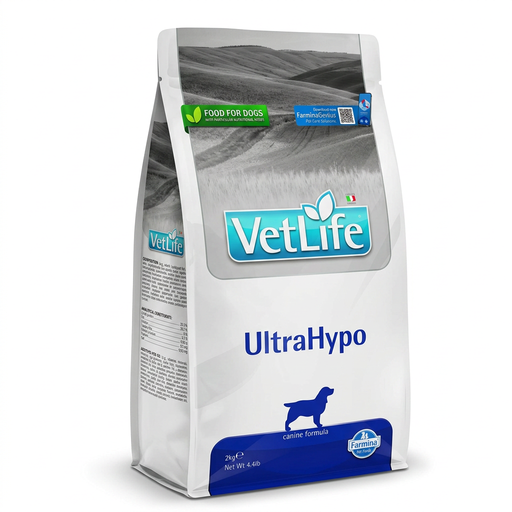
Why this choice suits this profile: This dry dog food for adult dogs has a limited recipe, with hydrolysed fish proteins and rice starch. It is designed for situations requiring a controlled elimination diet.
The short ingredients list makes it easy to identify what’s inside when following a protocol agreed with your vet, without multiplying protein sources.
Hydrolysed proteins, detailed analytical constituents and a 2 kg size suitable for controlled monitoring.
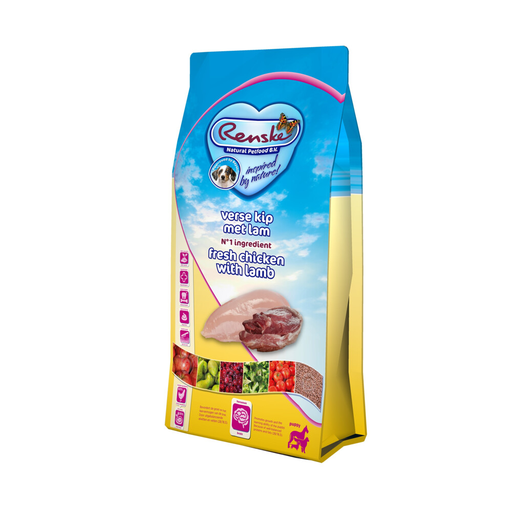
Why this choice suits this profile: This recipe is presented as a complete food for puppies of all breeds from 3 weeks old. It contains fresh chicken, lamb and gluten-free cereals.
The clear “puppy” life stage label prevents accidentally giving adult dog kibble to a growing animal.
Declared levels of 28% protein and 19% fat, with a recommended seven-day transition period.
We’ve put together a comprehensive, real-time updated list of products that fully meet these strict selection criteria as well as European safety regulations.
Introduce any new recipe gradually, usually over 5 to 10 days, by mixing it with the old food. A transition that’s too quick can upset digestion, even when the recipe seems suitable.
Store the bag in a cool, dry place. Seal it after each use to keep moisture out and preserve the kibble’s texture. Always leave a bowl of fresh water available. If your dog has persistent digestive issues, noticeable weight loss or weight gain, ask your vet for advice before making long-term changes to their diet.
The amount depends on your dog’s weight, activity level, age and the energy density of the recipe. Start by following the manufacturer’s feeding table, weigh the portion using scales and regularly check your dog’s body condition.
The shelf life varies depending on the product and the instructions on the packaging. To maintain quality, store the kibble in its sealed bag or in an airtight container, away from heat and moisture. Choosing a size that matches your usual consumption rate stops a bag from staying open for too long.
Not necessarily. Itching can have many different causes. A limited-ingredient or hydrolysed-protein formula should only be chosen as part of a protocol recommended by your vet, and you must stick strictly to the prescribed diet.