
Livraison le jour même ou le lendemain

Qualité garantie

Débloquez vos offres de bienvenue: Livraison GRATUITE | Jusqu'à -80 % | 30 jours d'essai gratuits à JoyPlus
Téléchargez l'application
Choosing the right dog kibble can quickly become a headache. Faced with shelves overflowing with packages full of marketing promises, it's easy to feel lost. Our mission: to help you see clearly, avoid the pitfalls, and focus on what truly matters—your companion's health.
Decoding the world of dog food means navigating well-known traps that can be costly, both for your wallet and your pet's well-being.
To make an informed choice, focus on a few objective criteria. Knowing how to read a label is your greatest asset.
Regulations require ingredients to be listed in descending order by pre-cooking weight. This means the first ingredient is the most abundant in the recipe.
Look for protein-rich kibble with a clearly identified source. For example, favour a list that starts with “Fresh Chicken (26%)” or “Dehydrated Lamb (15%)” over a vague formula like “Cereals, meat and animal derivatives.” A quality animal protein source at the top of the list is an excellent sign of quality.
A dog's nutritional needs change throughout its life. A single food cannot be suitable for all.
Rather than an endless list, here are a few recommendations that meet specific needs, based on the selection criteria we've just discussed.
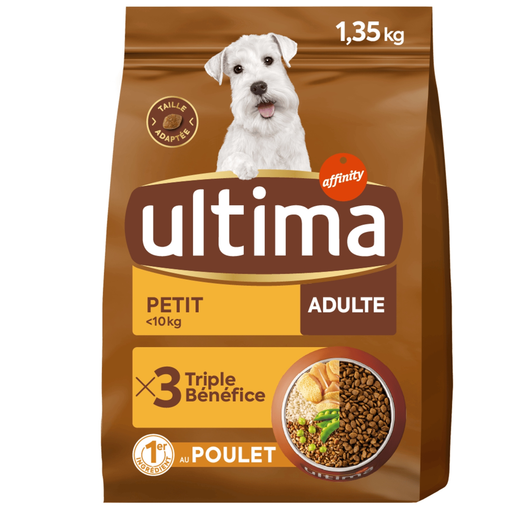
Why it's a great choice for this profile: This formula is designed for the faster metabolism of dogs under 10 kg. The kibble size is specifically adapted to their small jaws, promoting good chewing habits.
The ingredient list is clear, featuring chicken (17%) and whole grains, offering balanced nutrition without hiding behind vague terms.
Contains specific minerals (sodium hexametaphosphate) which, according to the manufacturer, help limit tartar formation, a common issue in small breeds.
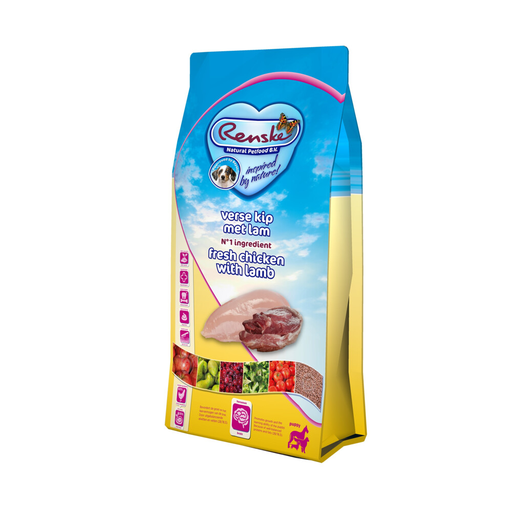
Why it's a great choice for this profile: Specially formulated for the needs of puppies from 3 weeks of age, with a balanced content of protein (28%) and fat (19%) to support healthy growth.
The main ingredient is fresh chicken (26%), a high-quality protein source. The formula is transparent and gluten-free, which may be suitable for more sensitive puppies.
Contains krill and flaxseed, providing a source of omega-3 fatty acids (1.7%), which are beneficial for a puppy's brain development and learning.
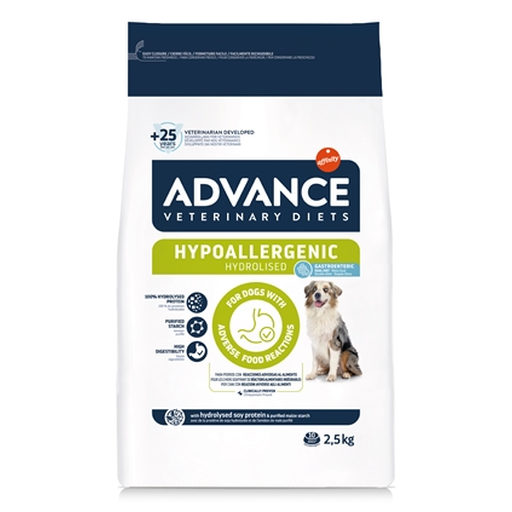
Why it's a great choice for this profile: This is a complete dietetic food formulated for adult dogs with food allergies or intolerances. Its use should be supervised by a veterinarian.
This formula gets straight to the point: it uses a single, hydrolysed protein source (soy) and purified starch to minimise the risk of a reaction. It's a targeted and transparent approach.
This is a veterinary diet. It is essential to consult a veterinarian before using it or extending its use. It is designed for elimination diets.
Discover our full selection of products that meet these quality criteria and current regulations.
To avoid digestive upset, a change in diet must be gradual. The simplest method is spread over 7 to 10 days:
Monitor your dog's stools during this period. If they become soft, slow down the transition.
The daily portion depends on many factors: your dog's weight, age, breed, activity level, and whether it is neutered. The recommendations on the package are a good starting point. Feel free to adjust this amount by monitoring your pet's weight to maintain its ideal body condition. For greater accuracy, using a measuring cup is highly recommended.
No, not for the majority of dogs. It is an excellent option for those suffering from a grain sensitivity or allergy (especially to gluten) diagnosed by a veterinarian. For a healthy dog, quality grains like rice, oats, or whole corn are perfectly digestible sources of energy and fibre. The key is the overall quality of the recipe, especially the protein source.