
Livraison le jour même ou le lendemain

Qualité garantie

Débloquez vos offres de bienvenue: Livraison GRATUITE | Jusqu'à -80 % | 30 jours d'essai gratuits à JoyPlus
Téléchargez l'application
Grooming at home is a great bonding moment with your companion and offers significant savings. The catch? The market for dog grooming equipment is a jungle of marketing promises that often lead to disappointment. As a product specialist at Joybuy, I'm here to demystify this world and guide you toward an informed, practical, and, most importantly, pet-friendly choice.
Before you start, here are two pitfalls to avoid at all costs:
To avoid falling into these traps, focus on a few key technical criteria that are far more important than any marketing pitch.
The secret to a great purchase? The perfect match between the tool and your pet's needs. Here are the three things to check every time before you pull out your credit card.
Your dog's coat dictates the choice of every tool. A wide-toothed dog comb will be perfect for detangling knots in long fur, while a deshedding brush (like a slicker brush) is better suited for removing the dead undercoat from a double-coated dog.
If a clipper is on your list, don't be swayed by power alone.
A grooming session can take time. Well-designed tools will be a game-changer.
Rather than an endless list, we've selected a few products that meet specific needs while avoiding the common pitfalls.
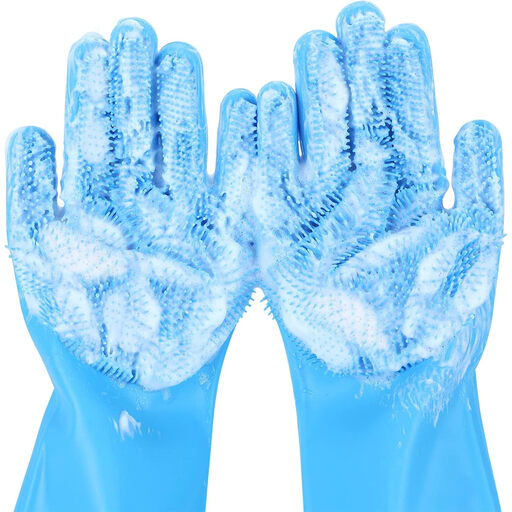
Why we chose it: Ideal for a first introduction, this glove turns the chore of brushing into a petting session. Less intimidating than a traditional brush for a puppy or a fearful pet, it's incredibly effective on short coats for removing dead fur, for both wet and dry use.
It's a single, versatile tool that replaces several useless accessories from a low-end kit. It works for bathing, massaging, and brushing: true added value, not just filler.
Its 3,000 soft silicone nubs deep-clean and massage the skin without ever causing irritation. Bonus: it's heat-resistant and can be sterilised in boiling water.
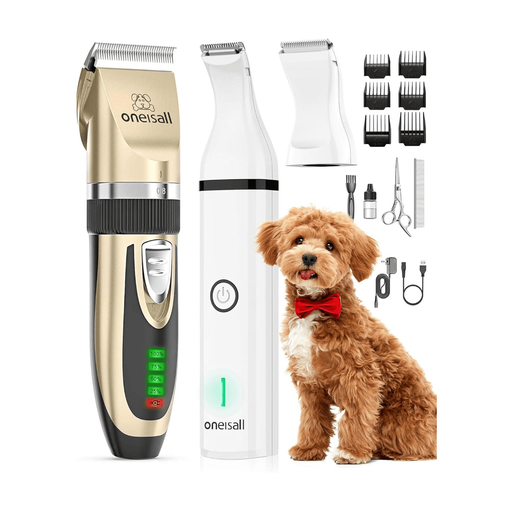
Why we chose it: Owners of dogs with thick or double coats can't settle for second-best. This kit offers them a dedicated solution with two devices: a powerful clipper for the body (X2) and a precision mini-trimmer (N5) for sensitive areas (paws, around the eyes).
It directly solves the problem of basic clippers that overheat or struggle with dense fur. Its low-vibration motor and quiet operation (≤ 60 dB) ensure a calm session, even for difficult trims.
The synergy of the two devices. The main clipper handles large areas without faltering, while the smaller one ensures a clean, safe finish on the most delicate zones.
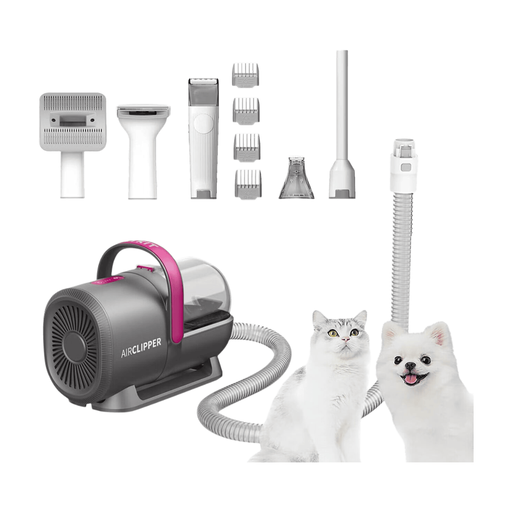
Why we chose it: The ultimate solution for anyone who dreads the storm of fur after every session. This ingenious system vacuums hair directly from the source during brushing or clipping. The result: grooming without the cleanup.
Here, "all-in-one" isn't an empty marketing buzzword. Unlike catch-all kits, this system is intelligently designed around a central function: suction. Each accessory connects to it, creating a truly cohesive solution.
Its efficiency: the vacuum captures up to 99% of loose hair. The motor remains quiet (under 60 dB) to avoid panicking your pet, and the 1.5L collection bin empties in a flash.
Explore our full selection of products that meet our quality standards and all current regulations.
It all depends on their coat type and lifestyle.
The key to success is patience and positive reinforcement.
Yes, and faster than you might think. The investment in good dog grooming equipment is often paid back in just two or three sessions. Considering a single professional grooming session can cost anywhere from $40 to over $100 depending on the dog's size and the work required, the math is simple. Quality equipment for at-home grooming is an upfront cost, but it's a source of significant long-term savings, not to mention the pleasure of regular, personalised care.