
Livraison le jour même ou le lendemain

Qualité garantie

Débloquez vos offres de bienvenue: Livraison GRATUITE | Jusqu'à -80 % | 30 jours d'essai gratuits à JoyPlus
Téléchargez l'application
Choosing your dog’s food and treats isn’t just about comparing flavours or spotting a bargain. Between wet food sold as a complete meal, rewards used during training, and dental sticks designed for oral hygiene, the differences in ingredients and purpose are far from trivial.
Three common pitfalls crop up time and again among dog owners in the UK:
The legal description should come first. A food for adult dogs labelled “complete food” is designed to make up the daily ration, in line with the manufacturer’s guidelines. In contrast, training treats, bite-sized snacks and lickable tubes are generally complementary foods.
INABA Churu products, for example, are marketed as rewards or toppers to mix with food. They have a high moisture content, but they don’t constitute a complete meal. So you need to factor them into the overall daily allowance, and don’t forget to leave fresh water available.
For a puppy, look for a label specifically intended for puppy food. Needs depend on age, expected adult weight, breed and activity level. If your dog has a special diet or health issue, it’s best to ask your vet for advice.
Ingredients are usually listed in descending order by weight. Pay particular attention to:
A grain-free dog food isn’t automatically suitable for every animal. This label simply means certain cereals are absent, and on its own it doesn’t indicate better nutritional quality. You need to look at the recipe as a whole, as well as whether it’s a “complete” or “complementary” food.
EDGAR & Cooper pâté, for instance, states 30% chicken and 26% turkey, with 82% moisture and 9% crude protein according to the analysis. These figures allow a more concrete comparison than a simple promise of natural ingredients.
Small pouches or trays of 100–150 g make it easier to portion for small dogs and for households that like to vary meals. Larger packs can reduce the cost per portion, provided you check the use-by date and reseal the packaging properly.
After opening, several products in this selection recommend refrigeration and consumption within 24 to 48 hours. Serve the food at room temperature when the label advises it. For treats, keep a simple rule in mind: they should make up only a limited part of your dog’s daily energy intake. The main meal can be adjusted accordingly.
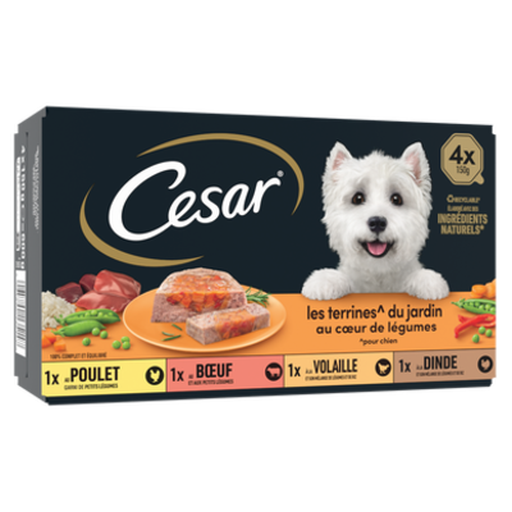
Why this suits this profile: With four pouches, this pack lets you try several recipes and easily serve portions suited to an adult dog.
The label clearly states it’s a complete food for adult dogs. So there’s no risk of mistaking it for a simple treat.
Four recipes, 600 g in total and 82.8% moisture stated in the analysis.
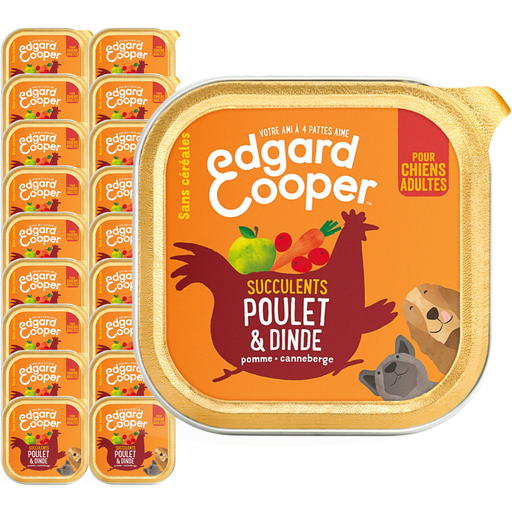
Why this suits this profile: This format is aimed at owners who want a grain-free wet recipe and like to control portions precisely.
The label details the percentages of chicken and turkey as well as the analytical constituents, rather than relying solely on the “grain-free” claim.
18 trays of 100 g, 56% chicken and turkey stated, with no added sugars according to the description.
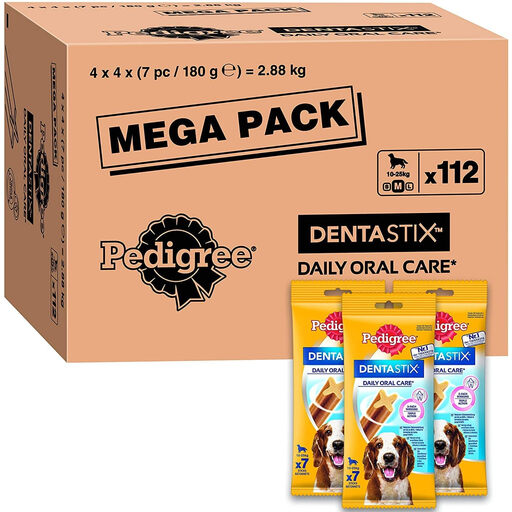
Why this suits this profile: Split into 16 pouches of 7 pieces, these sticks fit easily into the daily routine of a medium-sized dog.
The weight range and the recommendation of one stick per day are clearly stated. The brand’s claims about plaque are still marketing arguments, not a medical guarantee.
A daily format, a chewy texture and a mix of chicken and beef flavours according to the description.
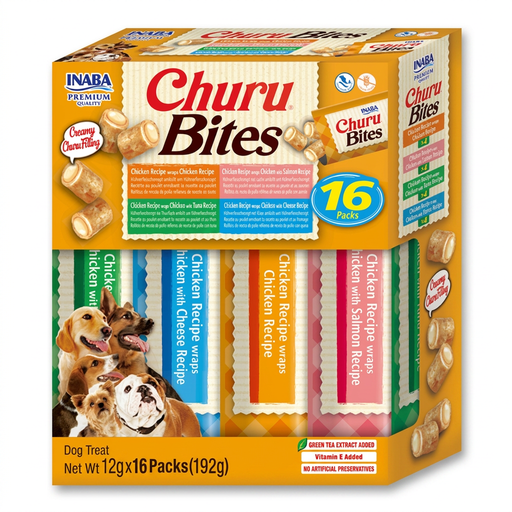
Why this suits this profile: The individual portions and four recipes are ideal for training sessions, trips out and rewards given sparingly.
The label presents it as a complementary food and provides quantity guidelines based on the dog’s weight. This limits the risk of serving it as a meal.
16 portions of 12 g, a soft texture and four recipes combining chicken with a creamy filling according to the description.
We’ve put together a complete, real-time updated selection of products that meet these strict criteria as well as European safety regulations.
Yes, as long as both products are suitable for your dog’s age and needs. However, check the status of each and reduce the quantities to avoid exceeding the recommended daily allowance. A gradual transition over a few days can also make the change easier.
Start by following the instructions on the label, then adjust the amounts based on your dog’s weight, activity level and main meal. Rewards should generally make up only a small part of your dog’s daily energy intake. For training, choose small formats or cut treats into several pieces.
No. They can complement an oral hygiene routine, but they don’t replace veterinary check-ups or the recommended care for your pet. Choose a size suitable for your dog’s weight, supervise them while they chew, and remove the product if they have trouble swallowing it.