
Livraison le jour même ou le lendemain

Qualité garantie

Débloquez vos offres de bienvenue: Livraison GRATUITE | Jusqu'à -80 % | 30 jours d'essai gratuits à JoyPlus
Téléchargez l'application
Choosing the right dog food can quickly become a daunting task. Faced with packaging full of alluring claims and complex marketing arguments, it's hard to cut through the noise. As a Product Recommendation Manager at Joybuy, my mission is to help you see things more clearly. Let's forget the technical jargon and focus on what truly matters for your companion's health. Follow this guide to avoid the pitfalls and make the right choice with peace of mind.
The dog food aisle is a jungle of often contradictory information. Before you head to the checkout, make sure you steer clear of these three classic pitfalls.
To make the right choice, forget the marketing and focus on these three factual criteria. They will give you a clear picture of the product's real quality.
The golden rule is simple: ingredients are always listed in descending order by weight. The first ingredient should therefore be the protein source: high-quality meat or fish.
This often stark-looking table is a goldmine for evaluating nutritional balance. Here are the key indicators to watch for:
The best diet is, above all, a tailored one. Nutritional needs vary enormously depending on:
To put theory into practice, here are a few recommendations that cater to different profiles, all selected according to our quality criteria.
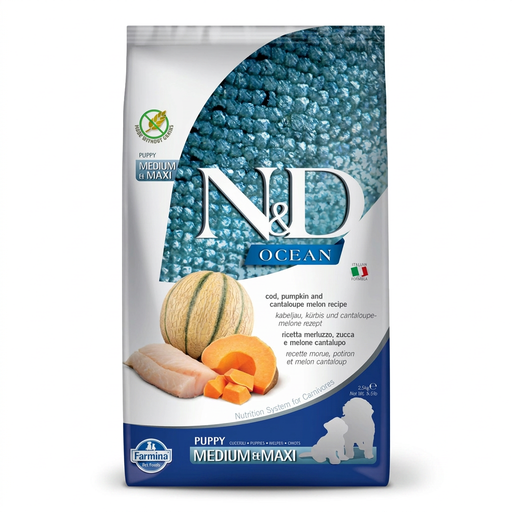
WHY IT'S A GREAT CHOICE: Perfect for owners of medium and large breed puppies who want a premium diet to support healthy growth, with a focus on brain and joint development.
The recipe avoids the vague-protein trap by featuring cod as the first ingredient. The formula is grain-free but relies on sweet potato and pumpkin, which are highly digestible carbohydrate sources.
Its high levels of DHA (1.10%) for the brain and glucosamine/chondroitin for joints make it a top choice for large breed puppies.
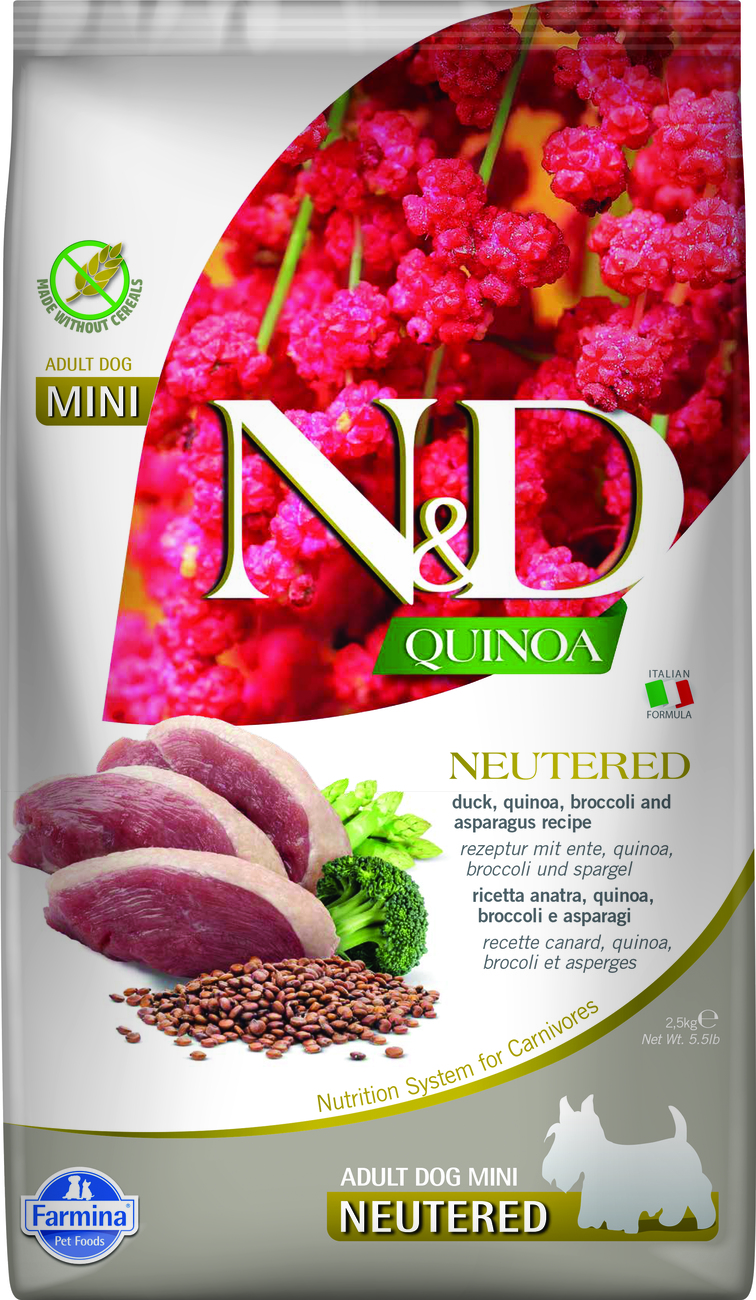
WHY IT'S A GREAT CHOICE: Designed for owners of small, neutered dogs who are conscious of managing weight gain without sacrificing nutrition and taste.
This formula goes beyond a simple "light" label by offering a targeted recipe for neutered dogs, with a controlled fat content (11%) and functional ingredients like broccoli and asparagus.
The use of quinoa, a low-glycemic superfood, and duck as a premium protein. The formula is perfectly calibrated for the slower metabolism of neutered dogs.
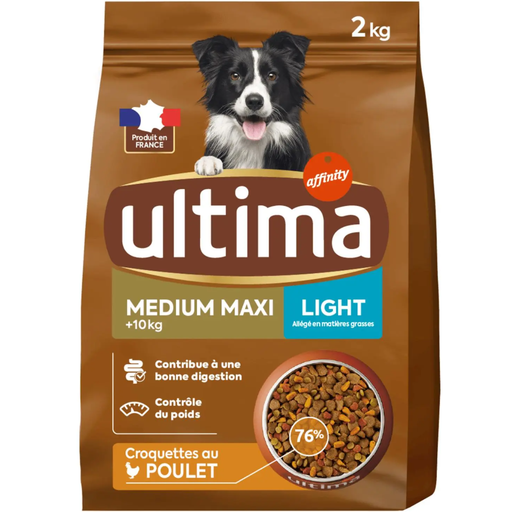
WHY IT'S A GREAT CHOICE: The pragmatic solution for owners of medium to large dogs prone to weight gain or who are less active, who want to control calories without their companion going hungry.
The "Light" claim is justified here by a clear figure: 30% less fat compared to the brand's standard formula, with the added bonus of L-carnitine to preserve muscle mass.
The kibble size, designed for the jaws of large dogs, encourages chewing. The recipe includes whole grains and vegetables for a good feeling of fullness and optimal nutritional balance.
A balanced diet is key, but daily rewards are just as important. Dog treats are a fantastic training tool and an excellent way to strengthen your bond, provided you choose them with the same high standards as their food.
A healthy diet also means quality rewards. Discover our selection of treats that will perfectly complement your companion's diet.
To avoid any digestive upset, the transition should be gradual. Over 7 to 10 days, mix the new food with the old, gradually increasing the proportion of the new food until you have completely replaced the old diet.
To preserve freshness and nutrients, it's best to store the food in its original bag, carefully sealed, and placed inside an airtight container away from light and moisture. Ideally, an opened bag should be consumed within 4 to 6 weeks.
Not necessarily. It all depends on your dog. Some dogs digest certain grains poorly and will truly benefit from a grain-free diet. For many others, high-quality whole grains (brown rice, oats, etc.) are an excellent source of energy and fibre. If your dog shows no signs of intolerance, a formula with well-chosen grains is perfectly suitable. The most important thing, always, is the overall quality of the ingredients.