
Livraison le jour même ou le lendemain

Qualité garantie

Débloquez vos offres de bienvenue: Livraison GRATUITE | Jusqu'à -80 % | 30 jours d'essai gratuits à JoyPlus
Téléchargez l'application
Choosing a dog food isn’t just about comparing flavours and offers. Between wet food, moist meals, treats and chewy sticks, packaging often highlights one ingredient or a promise without clearly stating the product’s purpose.
Three pitfalls are particularly common:
Here are the criteria to check before you fill your basket.
The term “complete food” means the product is formulated to make up the daily ration when used according to the manufacturer’s recommendations. A complete wet food for adult dogs should not be confused with a complementary product, which is intended to be served in small amounts.
This distinction applies particularly to:
For a puppy, a senior dog or an animal with particular sensitivities, check that the labelling matches its life stage. If you’re unsure about quantities, a vet’s advice can complement what’s on the packaging.
A recipe presented as a chicken wet dog food should be assessed by its ingredient list and analytical constituents. Among the products shown here, some recipes state, for example, 30% chicken and 26% turkey, while others indicate a different proportion of chicken meat.
Water content also matters when comparing two wet foods. A recipe with 80–90% moisture cannot be directly compared to a dry treat containing only 10–20% moisture. So examine all of the following information:
Claims like “grain-free” or “no added sugars” may reflect a compositional preference, but they are not enough to determine whether a product suits all dogs.
If you prepare meals in advance, 100 g trays and individual portions can help reduce waste. After opening, several products need to be kept in the fridge and consumed within 24 hours, or within two days depending on the instructions on the packaging.
A multipack can be worthwhile if your dog regularly enjoys the same recipe. For treats, small pouches are handy for walks or training sessions, while a 560 g format is better suited for frequent use at home. In any case, treats should remain a limited part of the daily intake. If necessary, adjust the main meal accordingly.
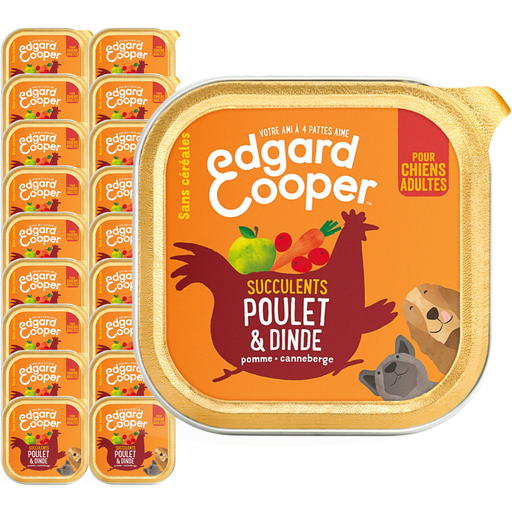
Why this choice suits this profile: With its 18 trays of 100 g, this format is ideal for owners who want to easily organise several individual meals for an adult dog.
The portion size is clearly stated, and the recipe is presented as a grain-free wet food for adult dogs. After opening, the tray must be kept in the fridge and consumed within 24 hours.
The ingredients state 30% chicken, 26% turkey, 82% moisture and individual 100 g portions.
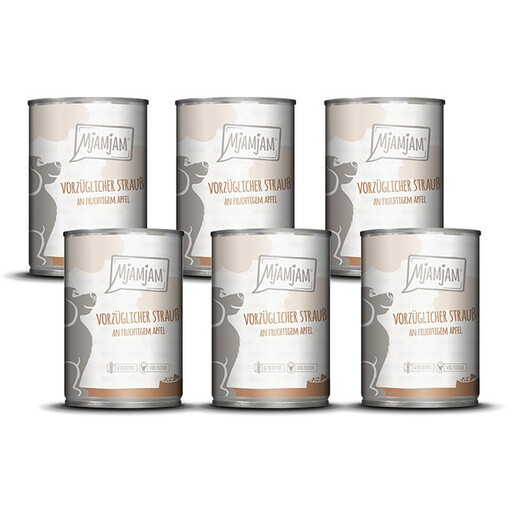
Why this choice suits this profile: This multipack is aimed at households looking for a complete food for adult dogs, offered in large portions and a grain-free recipe.
The product page clearly states it is a “complete food for dogs” along with recommendations based on the animal’s weight. Storage conditions after opening are also provided.
Each tin contains 400 g. The ingredients state 67% ostrich meat, heart and liver, along with 78% moisture.
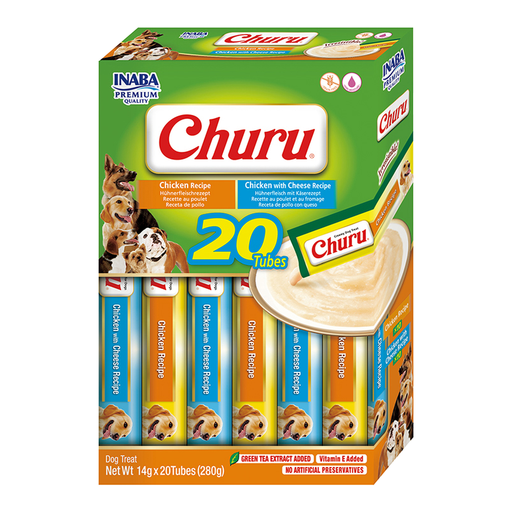
Why this choice suits this profile: The individual tubes can be used as a treat, a topper or a handy aid during training sessions.
The product page specifies that it is a complementary food, not a complete meal. The amount served should therefore be proportionate to the daily ration.
The multipack contains 20 tubes of 12 g and shows 88% moisture according to the available information.
We’ve put together a comprehensive, real-time selection of products that meet these strict criteria as well as European safety regulations.
Yes, provided the label states it is a complete food suitable for the animal’s profile. A complementary wet food, a topper or a treat does not necessarily cover daily nutritional needs. To avoid digestive upset, make a gradual transition and observe your dog’s reaction.
The length of time depends on the manufacturer and the format. Several products recommend storing in the fridge for 24 hours, while others advise consuming within two days. Seal the container carefully, keep it chilled and serve the wet food at room temperature if the label recommends it.
Chicken treats, bites and chewy sticks should remain supplements. Follow the quantities stated on the packaging, adjust them to the animal’s weight and activity level, then reduce the amount of its main meal if necessary. A bowl of fresh water should always be available.