
Livraison le jour même ou le lendemain

Qualité garantie

Débloquez vos offres de bienvenue: Livraison GRATUITE | Jusqu'à -80 % | 30 jours d'essai gratuits à JoyPlus
Téléchargez l'application
Choosing a dog food isn’t about comparing bag prices or trusting the promises printed on the packaging. For an adult dog living in the UK, size, weight, activity level and eating habits directly guide the choice of kibble, wet food and treats.
Some mistakes are particularly common:
The term “complete food” means the product is designed to meet your dog’s daily nutritional needs when served according to the manufacturer’s recommendations. This is the case, for example, with FIDO Adult dog kibble and certain CESAR terrines for adult dogs.
Dog treats, chews and training bites are generally complementary foods. VITAKRAFT and INABA products state that they are intended to be served as rewards, not as a main meal. Their quantity should remain reasonable to avoid unbalancing the day’s energy intake.
Ingredients are usually listed in descending order by weight. Look in particular at:
Wet food contains a lot of water: a CESAR terrine, for example, has 80 % moisture, compared with around 10 to 12 % for dog kibble. Protein percentages cannot therefore be compared directly between dry and wet food – you need to account for this difference in water content.
Grain-free dog kibble may suit some owners’ preferences, but the absence of grains alone is not enough to judge the quality or suitability of a recipe. Also check the other carbohydrate sources and the full nutritional analysis.
A small dog under 10 kg, a very active adult and a dog prone to weight gain all have different needs. Before buying, check:
For small dog food, Ultima offers a dry recipe for adult dogs under 10 kg, with a daily portion of between 30 and 120 g depending on weight and body condition. For a dog over 10 kg that needs to watch its weight, the Ultima Light range claims a reduced fat content compared with the brand’s standard adult recipe. These indications do not replace veterinary advice in the case of weight or health issues.
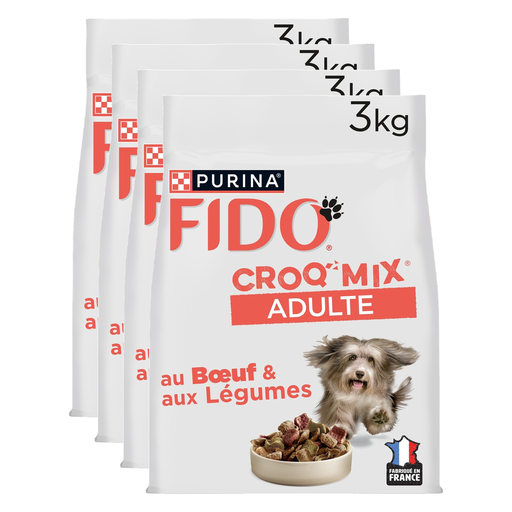
Why this choice suits this profile: At 12 kg, this format is aimed at households that want to reduce the price per kilo for an adult dog that eats kibble regularly.
The listing states it is a complete food for adult dogs and recommends a gradual transition over 10 days.
20 % crude protein, 10 % fat and 4 % beef declared in the ingredients.
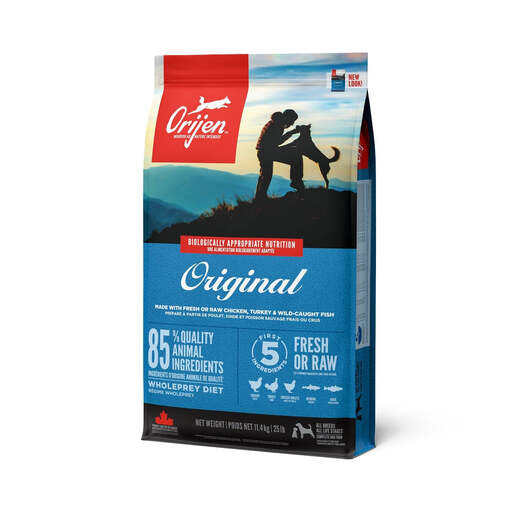
Why this choice suits this profile: This dry recipe is aimed at owners who want to scrutinise the animal sources and analytical values.
The ingredients list details the main sources used: chicken, turkey, fish and eggs. It doesn’t rely on a vague promise of a meat-rich recipe.
27 % crude protein, 17 % fat and an 11.4 kg format suitable for a consistent dry food diet.
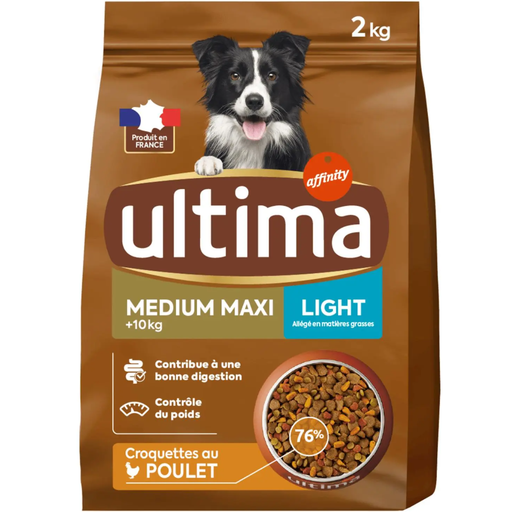
Why this choice suits this profile: The target is clearly defined: adult dogs of medium or large size, weighing over 10 kg, whose activity and portion need to be monitored.
The packaging states the usage limits and recommends monitoring your pet’s weight rather than serving a fixed amount.
26.5 % crude protein, 11.5 % fat and large-sized kibble for dogs over 10 kg.
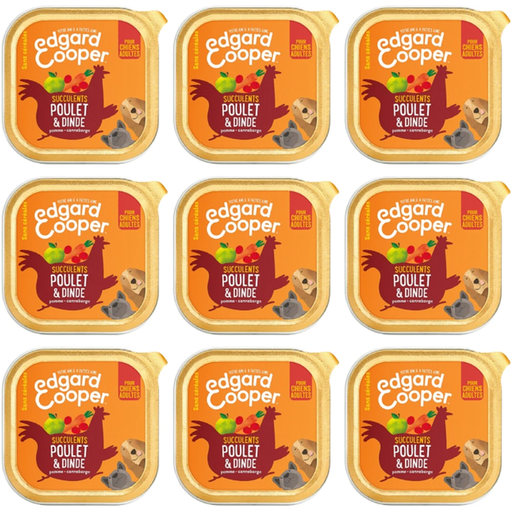
Why this choice suits this profile: The 100 g portions make it easy to portion wet dog food and allow you to vary meals without opening a large pack.
The listing states it is a complete food for adult dogs and recommends refrigerating the product after opening.
56 % chicken and turkey declared in the ingredients, with 82 % moisture and individual portions.
We’ve put together a comprehensive, real-time updated selection of products that meet these strict selection criteria and European safety requirements.
Start by choosing a complete food suited to your dog’s size and weight. Weigh the kibble or follow the recommended number of trays, rather than filling the bowl by eye. If you combine kibble and wet dog food, reduce the quantities of each to maintain a consistent daily intake.
Treats should remain occasional. For its training bites, INABA recommends not exceeding 10 % of daily calorie intake. A bowl of clean, fresh water should also be available at all times.
To change recipes, gradually mix the old and new food over several days. After opening, store wet food in the fridge and follow the time limit stated on the packaging. Kibble should be kept in a dry place, in its resealed bag, away from moisture.
Compare the price per kilogram, but also the recommended daily portion. A large bag of dog kibble can reduce the cost per serving for a medium or large adult dog. For a small dog, a more compact format limits the risk of losing freshness and wasting food.
Yes, provided the wet food carries the “complete food for adult dogs” label and the recommended amount is followed. A complementary wet food or topper should not replace the main meal.
Always follow the instructions on the label. The terrines featured here generally recommend refrigeration and consumption within 24 to 48 hours, depending on the product. Seal kibble bags tightly and store them in a cool, dry place.