
Livraison le jour même ou le lendemain

Qualité garantie

Débloquez vos offres de bienvenue: Livraison GRATUITE | Jusqu'à -80 % | 30 jours d'essai gratuits à JoyPlus
Téléchargez l'application
Caring for your dog also means looking after their oral hygiene. The market is filled with options, and the dog dental treat is often presented as a simple and effective solution. However, not all treats are created equal. Deciphering labels and navigating marketing claims can quickly become a headache.
At Joybuy, our mission is to guide you. Here are the most common pitfalls to avoid so you can make an informed choice that truly benefits your companion.
To make the right choice, focus on a few objective criteria. They will help you judge a treat's quality, far beyond its packaging.
A good natural dog treat should have a short, understandable ingredient list. Steer clear of long lists packed with additives, colourants, or added sugars.
The effectiveness of an anti-tartar stick for dogs relies primarily on its mechanical action. The chewing must last long enough to create friction on the tooth surface.
The choice must be adapted to your pet's specific needs. Manufacturers typically offer their products in several sizes for this reason.
To help guide you, we've matched common owner profiles with products that meet objective selection criteria.
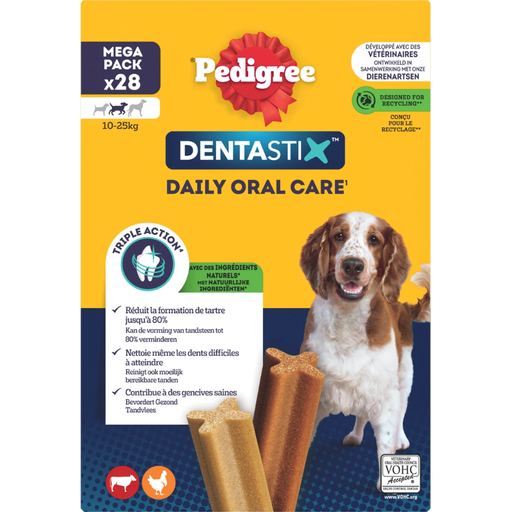
Why it's a match: Ideal for owners looking for a practical and proven solution to integrate into their dog's daily routine. The monthly pack helps maintain consistency of care.
This product doesn't rely solely on its active ingredients. Its patented X-shape and abrasive texture are specifically designed to provide mechanical cleaning action, even on hard-to-reach teeth.
A low-fat, no-added-sugar formula suitable for daily use. According to the manufacturer, it is scientifically proven to reduce tartar build-up by up to 80 %.
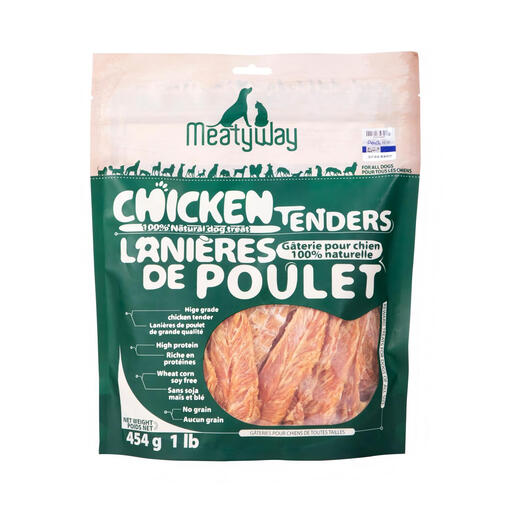
Why it's a match: Perfect for owners who prioritise transparency and want a healthy reward with a minimalist ingredient list and a single protein source.
This product avoids the vague 'natural' trap by offering a crystal-clear composition: 100% real chicken as the main ingredient, with no grains, additives, or preservatives. Chewing the dried meat naturally contributes to dental hygiene.
High in protein and low in fat. Its tender texture is easy for most dogs to chew and can be broken into smaller pieces for training or rewards.
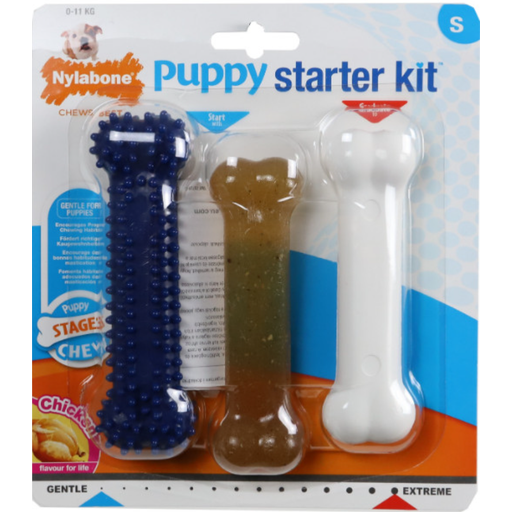
Why it's a match: Specially designed for the evolving needs of puppies, this kit channels their chewing instinct, soothes their gums, and establishes good hygiene habits from an early age.
This kit eliminates the risk of inappropriate hardness by offering three bones of varying densities. They safely support your puppy from their baby teeth to their permanent adult teeth.
It combines mental stimulation with dental care. Made of durable nylon, it offers a much longer-lasting chewing solution than a simple treat, while also helping to reduce dental plaque.
We have prepared a complete, up-to-date selection of products that meet these selection criteria and current regulations.
For dental sticks, most manufacturers recommend daily use for optimal effectiveness. For other treats or chew bones, consider them a reward to be incorporated reasonably into your dog's daily calorie intake. In all cases, always refer to the instructions on the packaging.
No. They are excellent supplements for your dog's oral hygiene, but they are no substitute for the mechanical action of regular brushing with a suitable toothbrush and toothpaste. Their role is to slow the build-up of plaque and tartar between brushings.
A simple rule is the 'thumbnail test': if you can't make a slight indent on the surface with your thumbnail, the treat is likely too hard. This is especially true for puppies, senior dogs, or those with fragile teeth. Also, observe your dog: if they seem to be struggling or in pain while chewing, take the product away immediately.