
Livraison le jour même ou le lendemain

Qualité garantie

Débloquez vos offres de bienvenue: Livraison GRATUITE | Jusqu'à -80 % | 30 jours d'essai gratuits à JoyPlus
Téléchargez l'application
A peanut butter bar slips easily into a gym bag, desk drawer or suitcase. But the packaging alone isn’t enough to help you make an informed choice. Claims such as “high in protein”, “sugar-free” and “energy-boosting” can mask considerable differences in ingredients.
Here are the key things to check before buying peanut butter protein bars, along with a selection to suit different types of shoppers in France.
A sugar-free protein bar may still contain polyols, syrup, fibre or other carbohydrates. So check the full nutrition table rather than relying solely on the claim on the front of the packaging.
Polyols such as maltitol can also cause digestive discomfort for some people when consumed in large quantities. This is worth bearing in mind before a workout in particular.
A bar labelled as containing 25 or 32% protein won’t necessarily provide the same amount as another product. A 55 g serving with 24% protein contains around 13 g of protein, while a heavier bar may provide more despite having a lower percentage.
To compare products properly, first check the amount per bar, then the price per serving. This gives you a much clearer picture than comparing percentages alone.
Peanut butter means the bar contains peanuts, but other allergens are common too, including milk, soya, nuts, gluten and eggs. A vegan protein bar may contain soya, while a gluten-free product may be made in a facility that also handles other types of grain.
Read the ingredients list and the “may contain traces of” statement carefully before buying. If you have an allergy, this check is essential, even when a product seems to tick all the right boxes.
For an everyday snack, compare the amount of protein listed per bar. In the selection below, this ranges from around 11 g in a 68 g CLIF bar to 17 g in some milk-protein options.
Protein can come from milk, collagen, soya, peas, rice or other plant-based sources. If you follow a plant-based diet, check both the vegan claim and the full ingredients list.
A high-protein bar isn’t necessarily low in sugar or calories. The 68 g CLIF Bar Peanut Butter provides 11 g of protein, but also 17 g of sugar per bar. It’s therefore closer to an energy bar, designed to provide carbohydrates during an active day or prolonged exercise.
By contrast, the 55 g OKR Protein Peanut Bar contains 13 g of protein and around 1 g of sugar per bar, with maltitol and sucralose. Its fibre content is also worth considering, depending on how well you tolerate it.
For a pre-workout snack, choose a portion you can digest easily and avoid trying a new recipe just before an important session. A bar that’s very high in fibre, fat or polyols won’t necessarily suit everyone at that time.
After a workout, texture, portability and protein content may matter more. If you eat bars regularly, a protein bar multipack can reduce the price per serving. Just remember to check the best-before date and storage instructions.
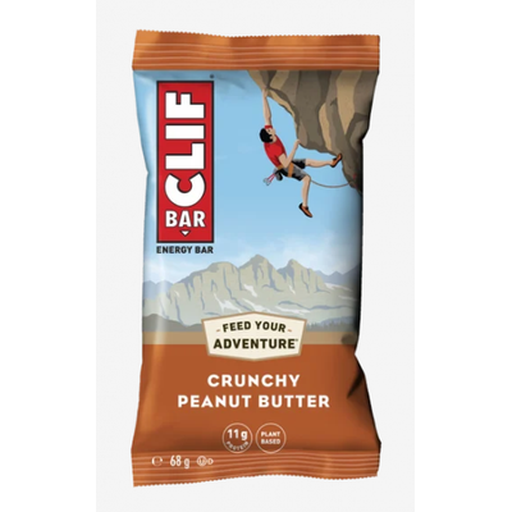
Why it suits this profile : At 68 g, this bar is a substantial option for anyone looking for a filling snack on a hike, bike ride or busy day.
The product details give the values per bar: 265 kcal, 11 g of protein and 17 g of sugar. This makes it easier to include in your diet without mistaking it for a low-sugar option.
Oats and ingredients from organic sources according to the product details, 11 g of protein and fibre. However, the product contains peanuts, soya and barley.
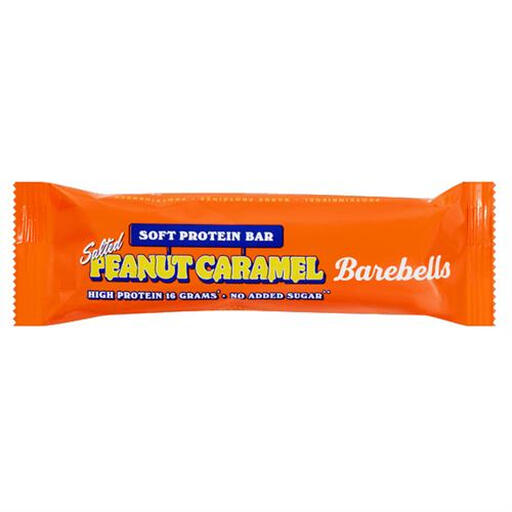
Why it suits this profile : This bar is for anyone who prefers an indulgent texture and compact size after a workout or between meals.
The “no added sugar” claim doesn’t mean you can skip the nutrition table: the product details list 16 g of protein per bar and 3.8 g of sugar per 100 g.
Milk protein, peanuts and a 55 g size. The bar also contains soya and sweeteners, which may be worth bearing in mind depending on your tolerance.
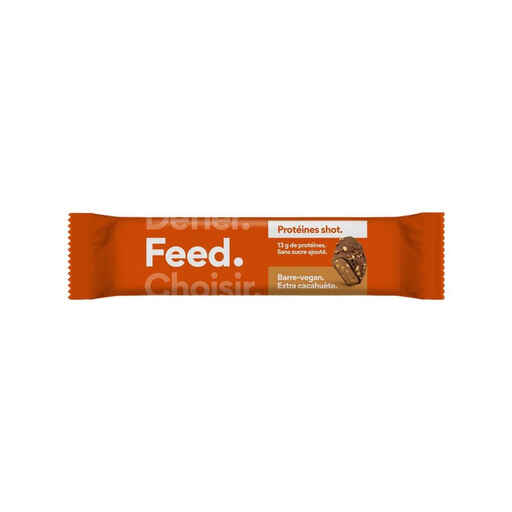
Why it suits this profile : Its vegan, gluten-free profile may suit adults looking for a low-sugar snack to enjoy regularly.
The product details distinguish between the 0 g of sugar claimed in the description and around 1 g per bar in the nutrition information. They also specify that the bar contains maltitol and sucralose.
13 g of plant protein, around 220 kcal per serving, fibre, and no milk or gluten according to the product details. Contains soya and peanuts.
We’ve put together a comprehensive, regularly updated list of products that meet these exacting selection criteria while complying with European safety regulations.
Yes, as long as its ingredients and size suit you. Eat it well in advance so you can see how your body digests it, especially if it contains a lot of fibre, fat or polyols. A light portion may be enough before a short session. For endurance exercise, an energy bar with more carbohydrates may be a better choice.
It depends on the date shown on the packaging and how the bar is stored. Keep bars in a dry place at room temperature, away from heat. Once opened, a bar should generally be eaten promptly, in line with the manufacturer’s recommendations.
No. It can be a convenient snack on the go or after exercise, but it isn’t a substitute for a varied, balanced diet. Before stocking up, compare the protein, fibre, sugar, fat and salt content, and don’t forget to check for allergens.