
Livraison le jour même ou le lendemain

Qualité garantie

Débloquez vos offres de bienvenue: Livraison GRATUITE | Jusqu'à -80 % | 30 jours d'essai gratuits à JoyPlus
Téléchargez l'application
Choosing dog and cat food is not simply a matter of comparing the price per kilo or relying on a claim highlighted on the packaging. Your choice should be guided by the species, age, neutering status, activity level and ingredients. For everyday feeding, the most suitable food is not necessarily the one with the longest list of marketing claims.
Complete food is formulated to meet an animal’s nutritional needs when served according to the label instructions. A treat, jerky product or snack, on the other hand, should remain a supplement.
This distinction is essential when comparing dry food for adult dogs, wet food intended for meals and natural dog treats used during training. MeatyWay Duck Tenders, for example, are presented as a reward or snack, not as a complete meal to be served every day.
A recipe presented as natural or as grain-free cat food cannot, on its own, be considered suitable. Check the ingredients, analytical constituents, intended species and whether it is labelled « complete food » or « complementary food ».
The absence of grains is not automatically an advantage for every cat. It may simply mean that the recipe contains peas, cassava or other sources of starch. Tolerance varies from one animal to another.
A 6 or 12 kg bag can reduce the price per kilo, provided it can be stored correctly. Once opened, the food should be kept in a cool, dry place away from light and moisture. For an animal that eats little, a smaller pack can sometimes help preserve freshness and avoid waste.
A neutered adult cat and an adult dog do not have the same needs. Dry food for neutered cats generally comes with specific daily feeding guidelines, including indications based on weight or activity level. Also check whether the product is suitable for all sizes or only small breeds.
For a dog, you need to consider its adult weight, activity level and the size of the kibble. FIDO Croq’ Mix Adult is intended for small adult dogs, with an indication for dogs weighing less than 25 kg. This information should be considered alongside your own pet’s actual profile.
The order of the ingredients provides an initial idea of the recipe’s structure, but you should also check the analytical data: protein, fat, fibre, ash and moisture. These values allow you to compare different products objectively, without turning an isolated figure into a health claim.
For food for sensitive dogs, a short ingredients list can help you identify a potentially poorly tolerated ingredient. However, food sensitivity or a persistent problem requires advice from a vet. Marketing claims are no substitute for a diagnosis.
Start by following the feeding amount recommended by the manufacturer, then adjust it gradually according to your pet’s body condition and activity level. Clean drinking water should always be available, particularly with dry food.
When changing dry food, packaging often recommends a gradual transition over around seven days. Mix the old and new food, slowly increasing the proportion of the latter. If an unusual reaction occurs, stop the transition and seek advice from an animal health professional.
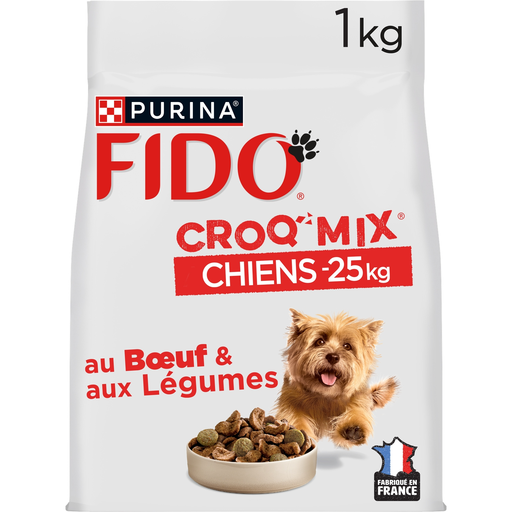
Why this choice suits this profile : Its 1 kg size lets you get started without committing a large budget or having to store a big bag. According to the product details, this recipe is a complete food for small adult dogs.
The age and size category is clearly stated, reducing the risk of choosing an unsuitable formula. The beef content is also quantified at 4 % in the ingredients.
A complete food made in France according to the product details, available in 1 kg or 7 kg sizes to suit your storage needs.
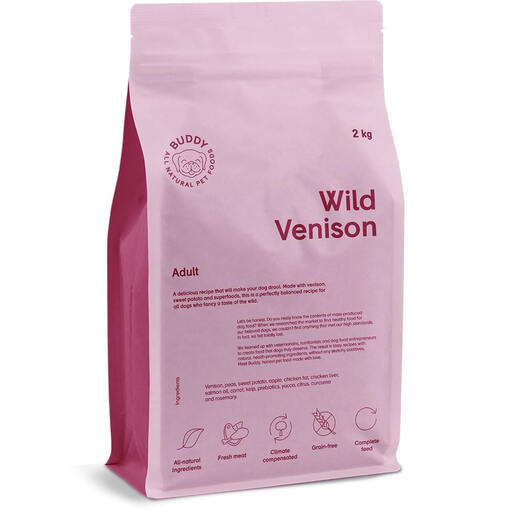
Why this choice suits this profile : This dog food highlights venison as its first ingredient and uses a grain-free formulation. It is worth examining closely if you pay particular attention to the ingredients.
The grain-free claim comes with an ingredients list that should be examined: it should not, on its own, be regarded as a guarantee of suitability.
A 2 kg pack, venison listed as the first ingredient and no colourings, artificial flavourings or preservatives according to the product details.
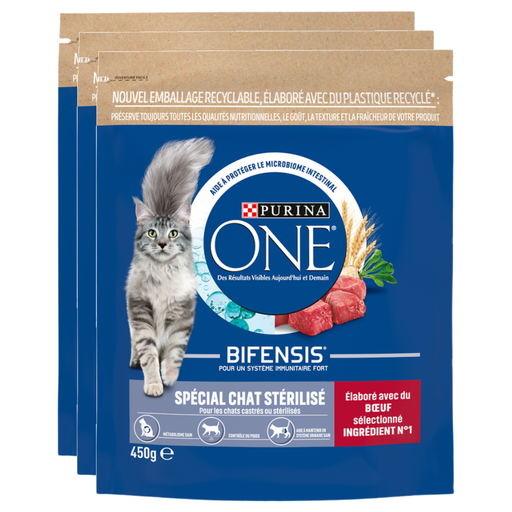
Why this choice suits this profile : This formula is intended for neutered or spayed adult cats. Its medium-sized pack suits a household that prefers to monitor its pet’s consumption before moving on to a larger bag.
The statement « complete food for neutered adult cats » helps prevent you from confusing a maintenance recipe with a snack or food intended for another life stage.
37 % protein, 13 % fat and 2 % chicory according to the information provided.
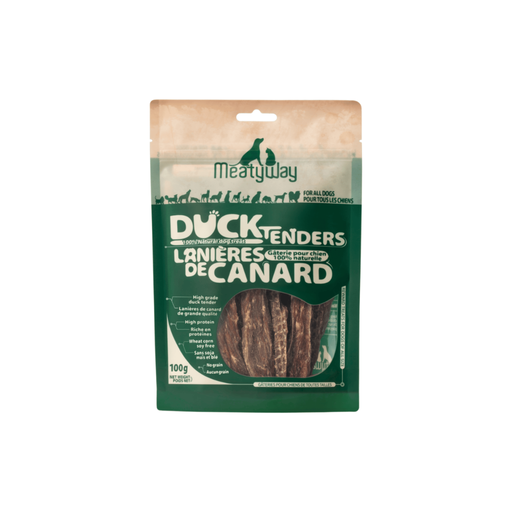
Why this choice suits this profile : These soft duck strips are ideal for frequent rewards, particularly during training, as they can easily be divided into small pieces.
The product details describe a single-ingredient recipe with no grains, additives, fillers or preservatives. This makes the ingredients easy to read, but it does not make the product a complete food.
Duck as the only listed ingredient, at least 30 % crude protein and a soft texture that is easy to divide into portions.
We have put together a complete, real-time updated list of products that fully meet these strict selection criteria and European safety regulations.
For meals, choose complete pet food suited to your pet’s species and age. Wet food can complement a dry-food diet, in the proportions shown on the packaging. However, the total quantity should remain consistent with your pet’s needs.
Snacks, including natural dog treats, should be included in the daily feeding amount. Avoid food intended for humans, even when it contains meat. Jerky products for adults can be high in salt, sugar, spices or preservatives and are not designed for dogs or cats.
When comparing beef dry food, check the proportion actually stated and where the ingredient appears in the list. The claim « with beef » does not mean that the recipe is mainly made up of beef.
The amount depends on the animal’s species, weight, activity level, age and body condition. Use the table on the bag as a starting point, weigh out portions and adjust them if your pet’s weight changes. Fresh water should always be available.
Shelf life varies according to the packaging and storage conditions. Seal the bag carefully or transfer its contents to an airtight container, kept in a cool, dry place. Choose a pack size suited to your pet’s consumption to preserve the kibble’s texture and smell until the bag is finished.
Not necessarily. A grain-free recipe generally contains other sources of carbohydrates and should be assessed as a whole. Check whether it is a complete food, review its ingredients and consider your pet’s tolerance. If sensitivity persists, ask a vet for advice rather than making a long-term change to your pet’s diet without professional guidance.