
Livraison le jour même ou le lendemain

Qualité garantie

Débloquez vos offres de bienvenue: Livraison GRATUITE | Jusqu'à -80 % | 30 jours d'essai gratuits à JoyPlus
Téléchargez l'application
As a pet owner, you know it well: your companion's well-being starts in their food bowl. The market for premium dog and cat food is a jungle of tempting promises and sleek packaging where it's easy to get lost. As the Head of Product Curation at Joybuy, my role is to help you see more clearly and make an informed choice that goes beyond the taglines.
Choosing the right food isn't just about picking the most expensive bag. It's about understanding your pet's specific needs. Before we unveil our top picks, let's review the most common pitfalls that can lead you astray.
To avoid making a mistake, focus on the facts. Here are the two essential points to check on every package.
Regulations require that ingredients be listed in descending order by weight. Therefore, the first ingredient is the most abundant.
This table, often in small print, is a goldmine of information about the product's nutritional balance.
Finally, distinguish between a complete food (which covers all daily nutritional needs) and a complementary food (like wet dog food or natural dog treats, to be given in addition to a main meal).
Every pet is unique. We have therefore selected products tailored to specific profiles and needs, based on the objective criteria we've just reviewed.
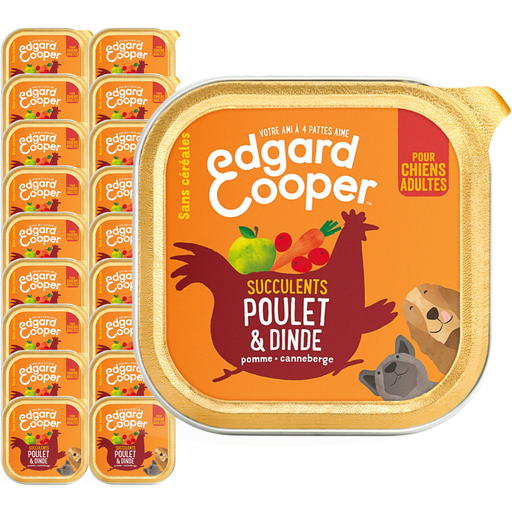
Why we love it: Ideal for owners who demand total transparency. This wet dog food relies on a simple recipe rich in fresh meat, supplemented with fruits and vegetables. It's a complete food that checks all the boxes for a healthy and delicious diet.
The ingredient list is crystal clear: 30% chicken and 26% turkey at the top. No vague "by-products," which counters the trap of confusion over meat content.
Grain-free recipe with no added sugars or artificial additives. A complete food, conveniently packaged in individual trays to ensure freshness.
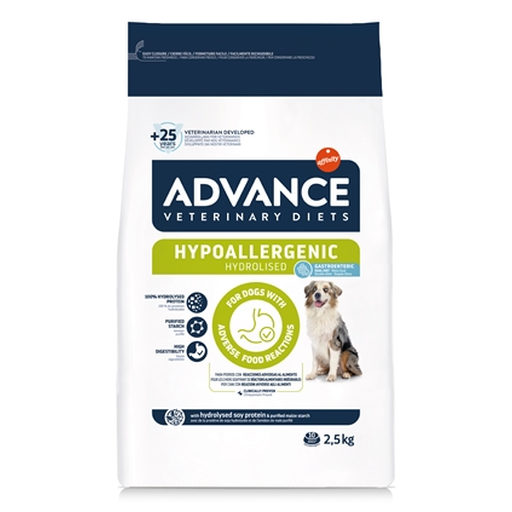
Why we love it: Specially designed for adult cats prone to food allergies or intolerances. This veterinary diet is formulated to minimise skin or digestive reactions. It must be used under veterinary supervision.
It avoids the trap of hidden allergens by using a single, hydrolysed protein source (soy protein) and a purified carbohydrate source (corn starch), thereby reducing the risk of an allergic reaction.
A complete dietary formula designed for elimination diets. The hydrolysed protein is broken down into small particles so it isn't recognised by the immune system.
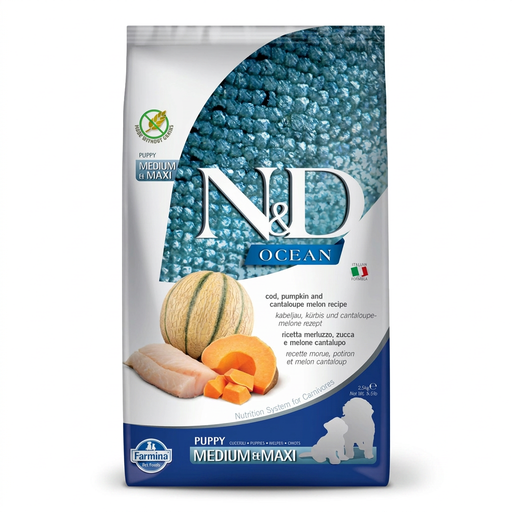
Why we love it: Growth is a key stage. This puppy food (for medium and large breeds) is formulated to support healthy development, with high-quality ingredients and essential nutrients like DHA for the brain.
It avoids the "grain-free" trap of being filled with poor-quality substitutes. Here, the formula is indeed grain-free, but it incorporates sweet potato and pumpkin, excellent sources of fibre and nutrients beneficial for a puppy's digestion.
High in fish protein (cod as the first ingredient) and rich in Omega-3 fatty acids (DHA and EPA) for cognitive development and skin health.
Beyond main meals, treats play a key role in training and well-being. We have selected products for you that meet our most demanding quality standards.
To avoid digestive upset, a gradual transition over 7 to 10 days is essential. Mix the new food with the old, gradually increasing the proportion of the new food. Start with 25% of the new formula to 75% of the old, move to 50/50, then 75/25, before switching to 100% of the new diet.
A complete food is designed to cover all of your pet's daily nutritional needs on its own. This is the case for most kibbles and some p?tés. Conversely, a complementary food (like dental dog treats or certain wet cat foods) is not nutritionally balanced to be served alone. It must be given in addition to a complete food to avoid any risk of deficiency.
Not necessarily. Grain-free kibble is an excellent choice for pets with a confirmed intolerance or allergy. For others, high-quality grains (like rice or oats), in reasonable amounts, remain a perfectly valid source of energy and fibre. The final choice depends on your pet's digestive tolerance and the overall quality of the recipe. When in doubt, your veterinarian's advice is your best asset.