
Livraison le jour même ou le lendemain

Qualité garantie

Débloquez vos offres de bienvenue: Livraison GRATUITE | Jusqu'à -80 % | 30 jours d'essai gratuits à JoyPlus
Téléchargez l'application
Choosing dog and cat food isn't about falling for an appetising picture or a promise like "rich in meat." Between wet dog food, cat kibble, bulk packs and recipes designed for specific needs, the differences in ingredients aren't always obvious at first glance.
Three pitfalls regularly catch French shoppers out:
A puppy food doesn't cover the same needs as an adult dog food. Your pet's weight, activity level and size also affect the daily portion.
For a cat, look for a clear label such as adult neutered cat or indoor cat. An animal that lives mainly in a flat won't necessarily burn as much energy as a very active cat. The portion guide on the packet is a starting point: you should then adjust it according to your pet's weight and body condition.
The term "complete food" means the product is designed to meet your pet's nutritional needs when fed according to the recommendations. A complementary food, on the other hand, must be combined with another complete food.
This distinction matters particularly for wet food. A wet dog food or wet cat food shouldn't be chosen purely on texture or water content: check its description and the usage instructions.
The order of ingredients, the stated percentages and the analytical constituents — protein, fat, fibre, ash and moisture — allow you to compare products on a more solid basis.
A few useful pointers:
The products below meet several needs: first purchase, bulk pack, wet food, indoor cat or puppy food. The features mentioned correspond to the information available on the product pages.
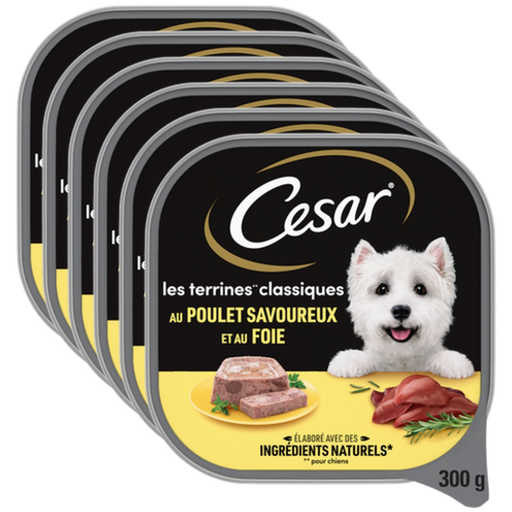
Why this choice suits this profile: This pack of 6 trays lets you try a wet food without committing to a large stock straight away. The recipe is designed for small adult dogs, up to 10 kg according to the product page.
The ingredients and feeding recommendations are detailed, making it easier to compare this product with others before restocking.
Complete food for adult dogs, 63 % declared meat and animal derivatives, in a 1.8 kg format.
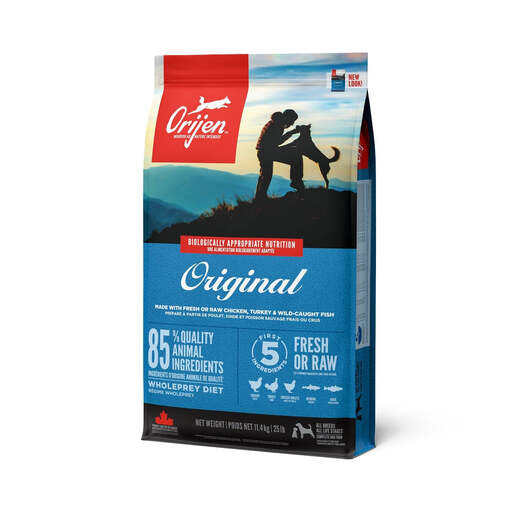
Why this choice suits this profile: This large bag of dog kibble is aimed at owners looking for a protein-rich dry recipe for regular feeding.
The product page details the analytical constituents, notably 38 % protein and 18 % fat, rather than relying solely on attractive presentation.
Presented as a complete recipe for dogs, with chicken, turkey, fish and eggs, in an 11.4 kg bag.
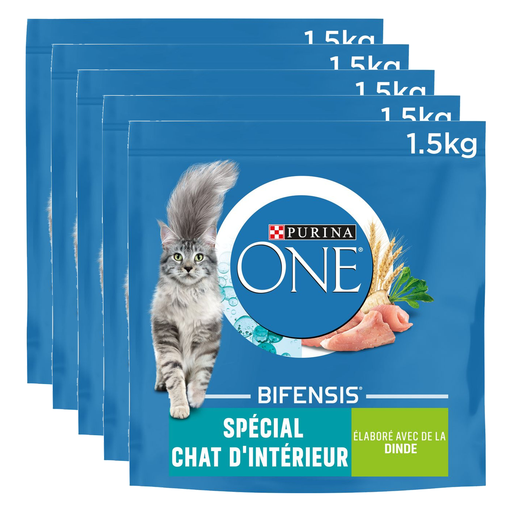
Why this choice suits this profile: This format is aimed at households that regularly buy kibble for an adult indoor cat, from one year old.
The label specifies the "indoor" profile, explains how to adjust portions and recommends a gradual transition over seven days when changing food.
17 % declared turkey, 36 % crude protein, 13 % fat and a 7.5 kg format.
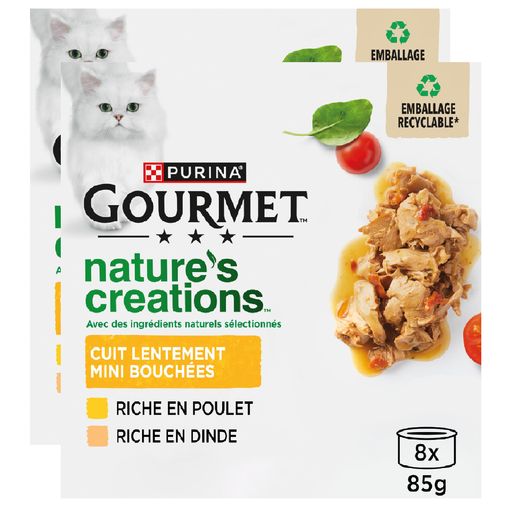
Why this choice suits this profile: This pack of wet cat food brings together several recipes in 85 g portions, a handy format for varying an adult cat's meals.
Individual portions avoid keeping an opened product for too long and let you gradually test your cat's preferences before buying a larger volume.
16 sachets of 85 g, chicken or turkey recipes with vegetables, and a complete food for adult cats according to the product page.
We've selected a comprehensive, real-time updated list of products that meet these exacting criteria as well as European safety regulations.
Yes, provided both products are suitable for your pet and the total portion is adjusted. Wet food offers a different texture and water content to kibble. Use the recommendations on each package as a guide, without automatically adding together two complete portions.
Always follow the manufacturer's instructions first. Several brands recommend keeping wet food in the fridge after opening and consuming it within 24 to 48 hours. Serve wet cat food or wet dog food at room temperature if the packaging advises it, and throw away any product whose smell or appearance has changed.
Make a gradual transition by mixing the old and new food over several days. For dog kibble, cat kibble and puppy food, adjust the duration to your pet's tolerance and monitor their appetite, stools and weight. If a problem persists, ask your vet for advice.