
Livraison le jour même ou le lendemain

Qualité garantie

Débloquez vos offres de bienvenue: Livraison GRATUITE | Jusqu'à -80 % | 30 jours d'essai gratuits à JoyPlus
Téléchargez l'application
Regular visits to the groomer can be a significant expense and a source of stress for many pets. The noise, unfamiliar environment, and handling can turn this routine care into a real ordeal. As a result, at-home grooming is becoming the clear choice for an increasing number of owners who care about their companion's well-being and their wallet.
However, with the sheer number of models available, choosing the right dog and cat clipper can quickly become a headache. As the Head of Product Recommendations at Joybuy, my mission is to help you navigate your options. This guide breaks down the essential selection criteria and presents the best products to help you find the perfect device for your needs and your pet's.
Before diving in, it's crucial to understand the features that separate an effective device from a useless gadget. Here are three points you should never overlook.
Dogs and cats have much more sensitive hearing than we do. The whir of a standard clipper can generate significant anxiety and turn the session into a nightmare. A quiet dog clipper isn't just an option—it's a necessity, especially for anxious pets. Look for models where the noise level is clearly stated in decibels (dB). A device that operates below 60?dB is your guarantee of a more serene grooming session.
Grooming requires patience and precision, especially when reaching delicate areas. A cordless dog clipper offers unparalleled freedom of movement. No more tangled cords or getting stuck mid-motion. This is a major advantage for trimming the belly, the back of the legs, or around the muzzle. Also, remember to check the battery life to ensure you can finish the session without interruption.
Motor power is crucial for a clean, snag-free cut. A weak motor will tend to pull the hair instead of cutting it—a painful experience for your pet that can cause skin irritation. For a long-haired cat or a dog with a dense coat, a robust motor is non-negotiable.
The blades, meanwhile, must be top-quality (stainless steel, ceramic) to ensure lasting sharpness and reduce overheating. Some models offer interchangeable cutting heads or guide combs of different sizes, transforming them into a complete and versatile dog grooming kit.
Based on these criteria, we have selected several models that have proven their worth for successful at-home grooming.
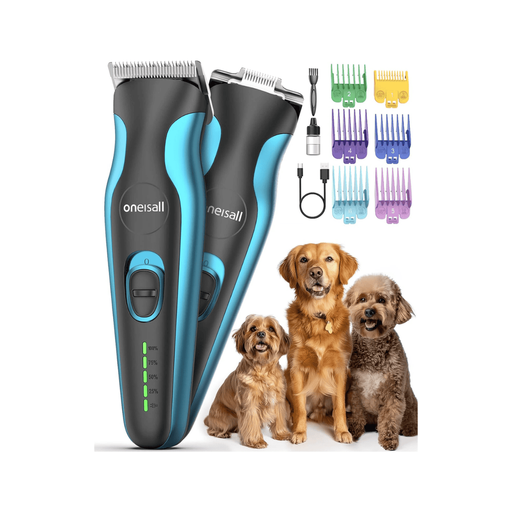
Highlights: This model is the ideal choice for getting started with at-home grooming. It combines a powerful motor, capable of tackling thick coats, with quiet operation that helps keep your pet calm.
Advantages:
Who is it for? Ideal for owners of all breeds of dogs and cats looking for a simple, effective, all-in-one solution for regular maintenance.
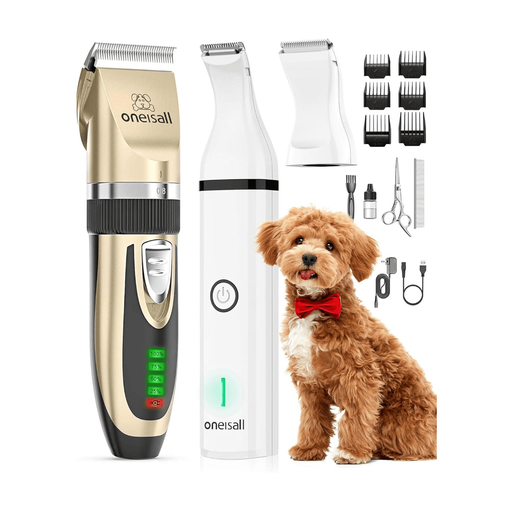
Highlights: This kit is the ultimate grooming solution. It includes two devices: a main clipper (X2) for the body and a precision trimmer (N5) for hard-to-reach areas like paw pads, ears, and around the eyes.
Advantages:
Who is it for? Perfect for discerning owners who want professional, salon-quality results, tackling both the body and the most delicate areas with the right tool.
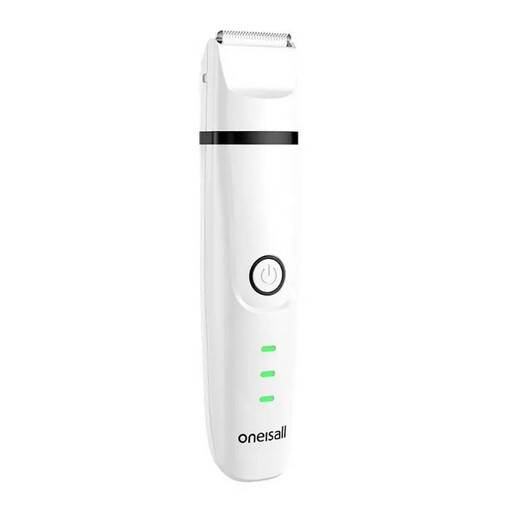
Highlights: Versatility is the key feature of this 4-in-1 model. Thanks to its interchangeable heads, it doesn't just clip: it also handles finishing touches and even includes an attachment for nail care.
Advantages:
Who is it for? Designed for owners of small to medium-sized dogs and cats who are looking for an all-in-one device for complete maintenance, from hair clipping to nail care.
If our recommendations don't quite meet your expectations, or if you want to round out your toolkit, feel free to explore our multifunction cable category. There you'll find practical charging solutions to keep your equipment ready to go at all times.
No, and it's a very bad idea. Pet clippers are specifically designed for their needs: the motor is quieter and vibrates less, the blades are spaced differently to avoid pinching their skin (which is thinner than ours), and they are designed to run cooler to prevent any risk of burns.
To keep your clippers effective and long-lasting, proper maintenance is key. After each use, remove any trapped hair from the blades with the small brush provided. If the blades are removable and waterproof, you can rinse them (be sure to dry them immediately afterwards). Most importantly, apply one or two drops of lubricating oil to the blade teeth before and after each session to prevent rust and overheating.
Clipping frequency depends on many factors: the breed, coat type (long, short, double), the season, and your pet's lifestyle. Some long-haired dogs may need a trim every 6 to 8 weeks, while for others, a simple seasonal touch-up is enough. When in doubt, the advice of your veterinarian or a professional groomer is always your best guide.