
Livraison le jour même ou le lendemain

Qualité garantie

Débloquez vos offres de bienvenue: Livraison GRATUITE | Jusqu'à -80 % | 30 jours d'essai gratuits à JoyPlus
Téléchargez l'application
Dog and cat treats should not be chosen based solely on their smell or the image printed on the packet. Between recipes marketed as natural, dental claims that can sometimes be difficult to verify and impractical formats, some purchases can quickly become disappointing.
Three pitfalls come up regularly:
When choosing high-protein treats for pets, start by examining the ingredients list. A single-ingredient recipe is particularly easy to understand, especially for dogs or cats whose diet requires special attention.
Natural dog treats may be made from just one type of meat, such as duck or chicken, or combine an animal-based source with a plant ingredient. Also check the analytical constituents: protein, fat, fibre, ash and moisture.
For example, MeatyWay Duck Tenders has a recipe made solely from duck and a minimum content of 30% crude protein. Meanwhile, MeatyWay Chicken Thin Tenders states a minimum of 70% crude protein. These figures are not enough to assess the overall quality of a treat, but they do provide a practical basis for comparing labels.
Meat sticks for dogs and strips of dried meat are easy to take on walks or use during training sessions. A soft texture can be divided into several small portions, helping you control the amount given to a small dog or during repeated exercises.
For a cat, crunchy cat treats are suitable for animals that enjoy light, crispy bites. Semi-soft formats, such as the sardine and parsley snack, may be easier for some cats to eat.
The size of the pieces should always be appropriate for the animal’s build and chewing habits. Always supervise your companion while they eat, particularly with chew products. As soon as a piece becomes small enough to swallow whole, it is best to remove it.
Check for the wording “complementary food” or “snack”, along with the feeding recommendations. For an adult cat weighing around 4 kg, the Felix Party Mix guidelines specify a maximum daily amount: this should be deducted from the main ration.
After opening, reseal the pouch carefully and store it in a cool, dry place away from sunlight. Resealable packaging is particularly convenient when treats are given in small amounts throughout the day.
Grain-free dog recipes may suit a particular dietary preference, but the words “grain-free” do not guarantee that the product will be suitable for every animal. If your pet has a diagnosed food sensitivity, ask your vet for advice and check every ingredient carefully.
The options below are grouped according to practical situations: a tight budget, the search for a particularly high-protein recipe, or the need for rewards to use regularly for training and chewing.
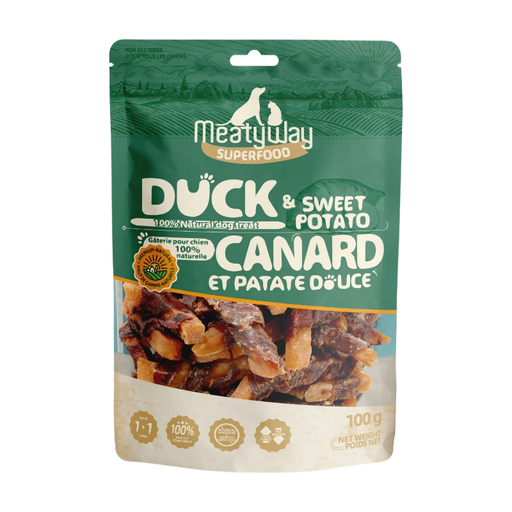
Why this option suits this profile : Its 100 g pouch lets you try a duck recipe without committing to a large pack straight away. The stated composition contains 55% duck and 45% sweet potato.
The percentage of both main ingredients is clearly stated, so there is no need to rely solely on the picture or flavour name.
A recipe with no cereals or declared additives, a chewy texture and portion recommendations based on the dog’s size.
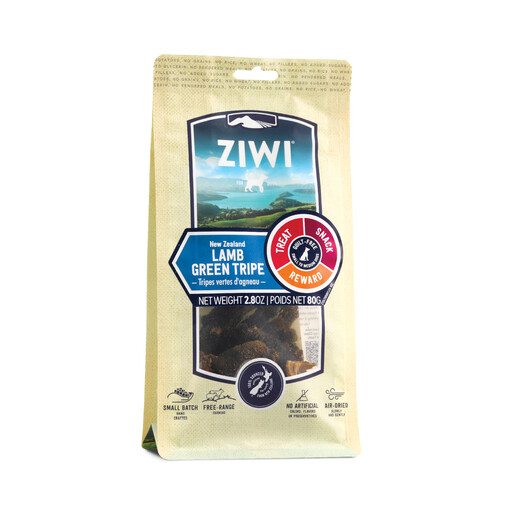
Why this option suits this profile : This product is aimed at those looking for a longer-lasting chew with a short ingredient list based on lamb lung.
The product information makes clear that this is a complementary reward and recommends removing the piece once it becomes small enough to swallow.
A stated minimum of 60% crude protein, slow drying and a recommendation of 1 to 2 pieces per day.
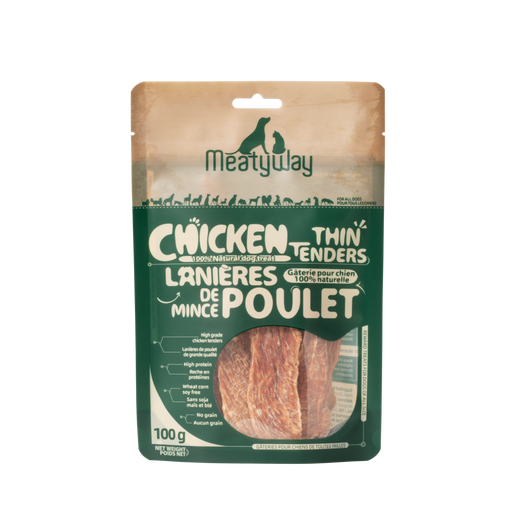
Why this option suits this profile : The thin chicken strips are easy to break up, making them ideal for rewarding a dog during training, on walks or throughout the day.
The soft, breakable texture lets you give several small rewards without automatically handing over a whole strip each time.
A single declared ingredient, chicken, with at least 70% crude protein and a grain-free recipe.
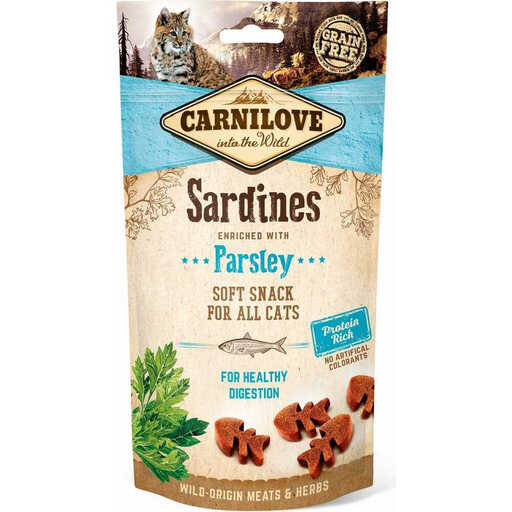
Why this option suits this profile : Its semi-soft texture and sardine base are ideal for owners looking for a fish-flavoured cat snack.
The composition specifies 40% dried sardines, and the product is clearly presented as a complementary food for cats.
A grain-free recipe, stated crude protein content of 33%, 1% parsley and salmon oil.
We have put together a complete, real-time updated selection of products that meet these exacting selection criteria and European safety standards.
Treats should remain occasional or be used as a supplement. Follow the manufacturer’s guidelines, then adjust the main ration to avoid excessive calorie intake. For training, it is better to give small pieces at the right moment than a large bite for every command.
Adjust quantities according to the animal’s weight, age, activity level and body condition. Always make sure fresh water is available. If your dog or cat follows a special diet, ask your vet for advice before introducing a new recipe.
No. Dental treats for dogs and chew products can complement an oral hygiene routine: the mechanical action of chewing may help limit certain deposits. However, their effectiveness depends on the product’s texture, how often it is used and the way the animal chews.
Regular mouth examinations remain essential. If your pet has persistent bad breath, pain or difficulty eating, consult a vet.
Not necessarily. A grain-free recipe may reduce the number of ingredients, but it may still contain a protein or another component that your pet does not tolerate well. Read the label as a whole, introduce the treat gradually and watch out for any unusual reaction.
When comparing duck, chicken, fish or beef recipes, rely on the ingredients, format and analytical constituents rather than advertising claims alone.