
Livraison le jour même ou le lendemain

Qualité garantie

Débloquez vos offres de bienvenue: Livraison GRATUITE | Jusqu'à -80 % | 30 jours d'essai gratuits à JoyPlus
Téléchargez l'application
Your pet's well-being starts with their food bowl. But with store shelves overflowing with marketing claims, it's easy to get lost. How can you tell a truly nutritious recipe from mere eye-catching packaging?
This guide is here to help you decode the world of dog and cat food. We'll break down the most common pitfalls and give you the keys to making an informed choice that truly meets the needs of your four-legged companion.
The pet food market is saturated with often-misleading marketing claims. Here are the most common traps, which can be costly for both your wallet and your pet's health.
To avoid falling for marketing traps, stick to the facts. Here are the three things to check every time before you head to the checkout.
The ingredients list is your best ally. It is organised in descending order by weight.
Age, breed, activity level, and physical condition (neutered, overweight) are determining factors.
Each type of food has its advantages.
A mixed-feeding diet, combining kibble and wet cat food, is often a balanced solution that combines enjoyment and health benefits.
To put theory into practice, here are a few products that cater to various profiles while meeting the quality criteria we've just outlined.
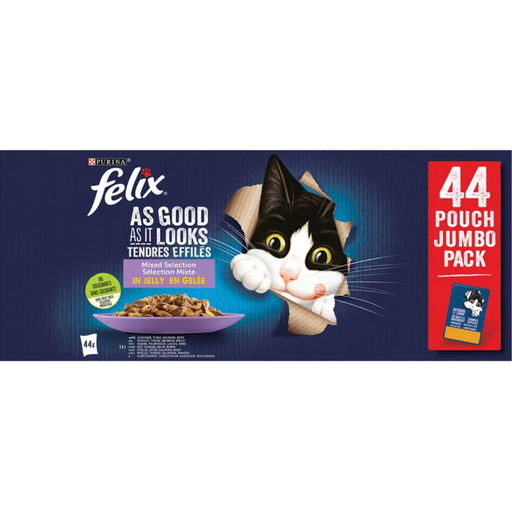
Why we recommend it: Ideal for owners looking for an economical solution for daily feeding. This 44-pouch format offers a wide variety of flavours (salmon, beef, chicken, tuna) to satisfy even the pickiest eaters, all while ensuring a complete meal.
It sidesteps the "false economy" trap by offering a large volume of a complete and popular food, which limits waste. The composition is clearly stated for each variety.
Excellent value for money for a complete and varied daily wet food, enriched with vitamins D and E and omega-6.
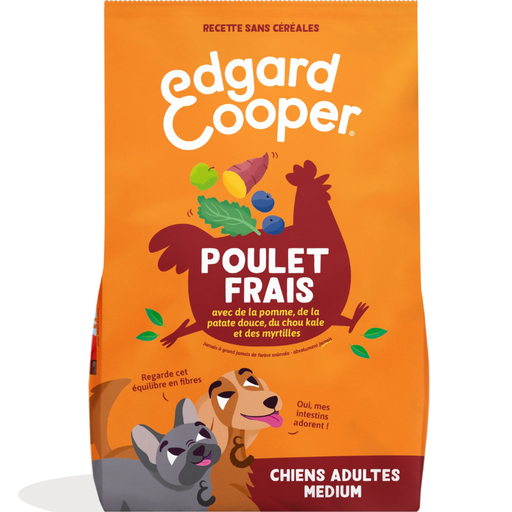
Why we recommend it: For owners who prioritise a transparent composition and high-quality ingredients. This recipe contains 40% fresh chicken, with no meat meal, and is supplemented with fruits and vegetables.
It counters the "marketing vs. reality" trap. Here, the promise of fresh ingredients isn't just talk: fresh chicken is the very first ingredient on the list.
A grain-free dog food recipe, rich in fresh meat and enriched with prebiotics (MOS & FOS) to support digestive health.
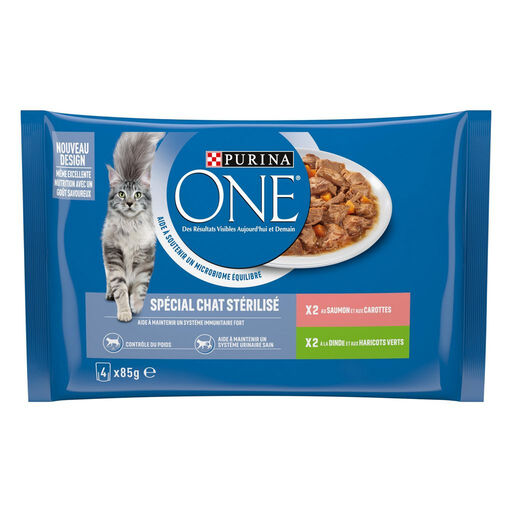
Why we recommend it: This formula is specifically designed for adult neutered cats. It helps maintain a healthy weight and supports digestive and immune health—key areas of concern after neutering.
It avoids the "one-size-fits-all" trap by offering a targeted solution with a proven benefit in maintaining a healthy gut microbiome.
A complete and balanced formula for the needs of neutered cats, combining tender shreds and vegetables in gravy for high palatability.
Remember that your pet's well-being isn't just about their food bowl. Protecting them from parasites is just as crucial. A regular flea and tick treatment for dogs or cats is therefore essential, in addition to a quality diet.
Discover our full selection of products that meet our quality criteria and expert recommendations.
To avoid digestive upset, the transition should be gradual. Over a period of 7 to 10 days, mix the new food with the old, gradually increasing the proportion of the new food until you have completely replaced the old one.
A "grain-free" diet replaces grains like wheat or corn with other carbohydrate sources such as potatoes, sweet potatoes, or peas. It is often chosen for pets with a digestive sensitivity or allergy to grains. However, a diet containing good-quality grains can be perfectly suitable for the majority of dogs and cats.
Yes, this is known as mixed feeding. This method allows you to combine the benefits of both food types: the positive effect of kibble on teeth and the high water content of wet food for hydration. Just be sure to adjust the quantities of each to avoid exceeding the recommended daily calorie intake.