
Livraison le jour même ou le lendemain

Qualité garantie

Débloquez vos offres de bienvenue: Livraison GRATUITE | Jusqu'à -80 % | 30 jours d'essai gratuits à JoyPlus
Téléchargez l'application
Your pet's well-being starts with what's in their bowl. But with shelves overloaded with promises, choosing the right dog and cat food can often be overwhelming. Between the marketing jargon and endless ingredient lists, it's easy to get lost.
As a product expert at Joybuy, my role is to help you make sense of it all. Let's forget the advertising speak and focus on the facts to make a truly informed choice. We'll break down the pitfalls to avoid and the criteria that really matter.
Pet food marketing is full of terms designed to impress, but they are often misleading. Knowing how to decode them is the first step toward a successful purchase.
To avoid being fooled by marketing, here are the three things to check on every label.
The golden rule is simple: the first ingredient is always the most abundant one. Look for formulas where a high-quality (and clearly named) animal protein is listed first.
Often overlooked, this table is a gold mine for judging nutritional balance.
The choice between dry and wet food depends on your pet's preferences, health, and your budget.
To put theory into practice, here are a few products that tick all the boxes, selected according to the criteria we've just discussed.
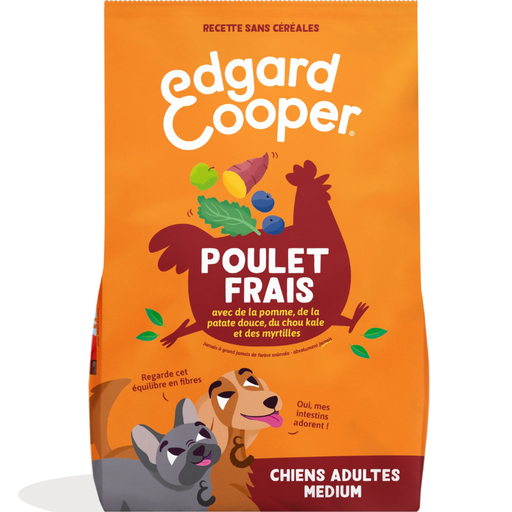
Why it fits the bill: Perfect for owners who demand a transparent composition and a maximum of fresh ingredients. The recipe highlights a large amount of fresh meat rather than meal, supplemented with fruits and vegetables.
This formula goes beyond the simple "grain-free" claim. It stands out with its main ingredient: 40% fresh chicken, a clear piece of information that justifies its premium positioning, far from vague descriptions.
High fresh chicken content. Contains prebiotics (MOS & FOS) for gut flora. Guaranteed free from meat meal.
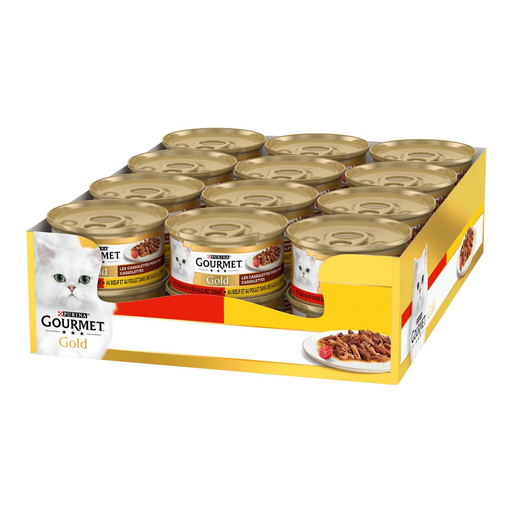
Why it fits the bill: For cats who know what they want and owners looking for excellent everyday value for money. This pack offers a complete and balanced food.
Rather than hiding behind a vague "gourmet" term, the description specifies the meat percentages: "Rich in Chicken and With Beef and Tomatoes (8% chicken, 6% beef)". This transparency allows you to judge the product on facts.
Complete and balanced recipe. Economical bulk pack. A reliable choice for the most demanding cats.
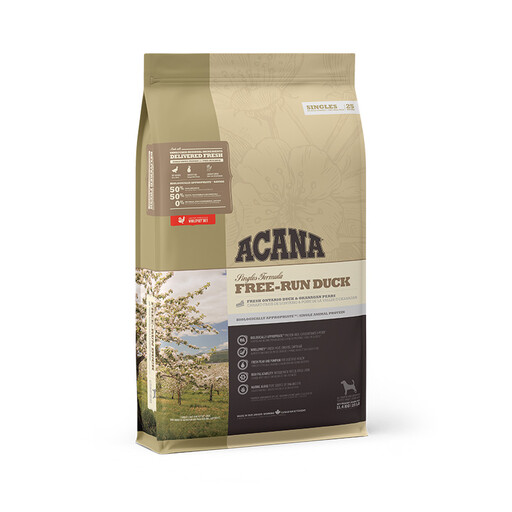
Why it fits the bill: The solution for sensitive dogs or for owners who want perfect protein traceability. The formula focuses on a single animal protein source to minimise allergy risks.
This product doesn't just claim to be "hypoallergenic". It proves it with a clear ingredient list: 50% duck, including raw meat, duck meal, and duck liver. The absence of other animal proteins is a verifiable fact.
Single animal protein source (duck). Very high meat content. Rich in omega-3 and 6 for a shiny coat.
Discover our full selection of products that meet our quality criteria and current regulations.
To avoid digestive upset, a gradual transition is essential. Over a period of 7 to 10 days, mix the new food with the old, gradually increasing the proportion of the new food until the old one is completely replaced.
No, not necessarily. It is beneficial for pets that are intolerant or allergic. For others, good-quality grains in reasonable quantities can be a valuable source of nutrients. The most important thing is to choose a food where the first ingredient is a quality animal protein. If you suspect an intolerance, a veterinary consultation is the first step before choosing a specific veterinary diet.
A complete food (like most kibbles and p?tés) is formulated to cover 100% of your pet's daily nutritional needs. It can be served on its own. Conversely, a complementary food (treats, oils, soups...) is not self-sufficient. It must be given in addition to a complete food, either as a treat or for a targeted benefit.