
Livraison le jour même ou le lendemain

Qualité garantie

Débloquez vos offres de bienvenue: Livraison GRATUITE | Jusqu'à -80 % | 30 jours d'essai gratuits à JoyPlus
Téléchargez l'application
As a pet owner, you know that choosing a dog accessory is about more than just style. It's a matter of your companion's safety, comfort, and enrichment. But faced with the overwhelming array of products on the shelves, how do you distinguish the essential from the superfluous gadget?
This guide is here to bring you clarity. Our editorial team has scrutinised the market to present a selection of practical and reliable items based on objective criteria. We'll first cover the key points for making a smart purchase before revealing our recommendations for the most common needs: chewing, transport, and engagement.
Before you head to the checkout, keep these few principles in mind. They will ensure you choose dog equipment that is both suitable and long-lasting.
This is the non-negotiable criterion. For a dog chew toy, for example, opt for robust, non-toxic materials like natural rubber or food-grade nylon. Make sure it has no small, detachable parts that could be swallowed. A sturdy product is also a more economical purchase in the long run, saving you from frequent replacements.
A puppy obviously doesn't have the same needs as an adult or senior dog. A puppy enrichment toy should foster their development while being gentle on their young teeth. Conversely, a power chewer will need a dog bone or an ultra-durable toy to channel their energy without destroying everything in their path. Take the time to observe your pet: are they an avid chewer, a tireless player, or more of a nap enthusiast? The answer will naturally guide you to the right product.
If you're often on the road with your companion, a sturdy and well-ventilated dog crate is a must-have. For shorter trips or small apartments, a foldable carrier bag proves to be an excellent alternative. Likewise, for days spent alone, a dog puzzle toy is the ultimate anti-boredom weapon, ideal for preventing separation anxiety.
Here are a few gems that stand out for their smart design and utility, perfectly suited to the needs of owners in the UK.
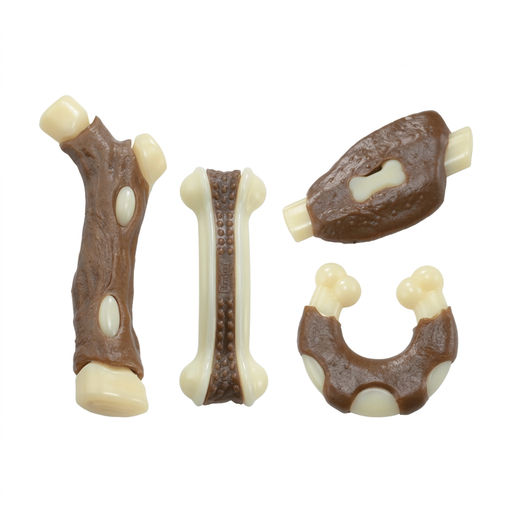
What sets it apart: This pack cleverly combines a durable toy with a tasty treat. The beef-flavoured cowhide exterior encourages chewing, while the nylon core ensures the toy's longevity.
Key features:
Who is it for? Ideal for small and medium-sized dogs. It's an excellent solution for keeping your companion healthily occupied while caring for their oral hygiene, and a great way to channel the energy of chewers.
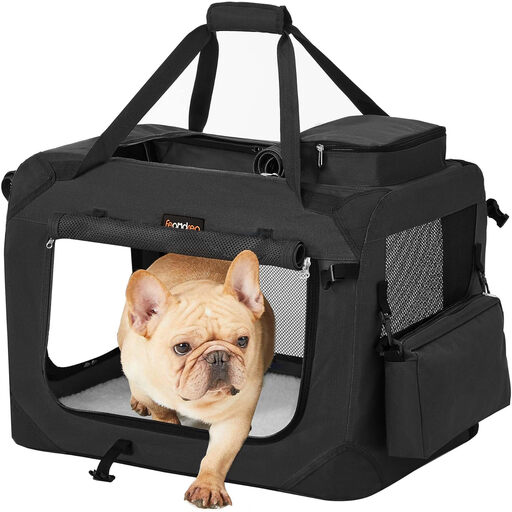
What sets it apart: Its main advantage is its foldable design, which is ultra-practical for travel. Once folded, it's only 8?cm thick and slips easily into a car boot or a cupboard.
Key features:
Who is it for? Essential for owners of medium-sized dogs (up to 11?kg) like French Bulldogs or Corgis. It's the perfect solution for those who travel often (car, holidays, vet visits) and are looking for a crate that is both safe and compact.
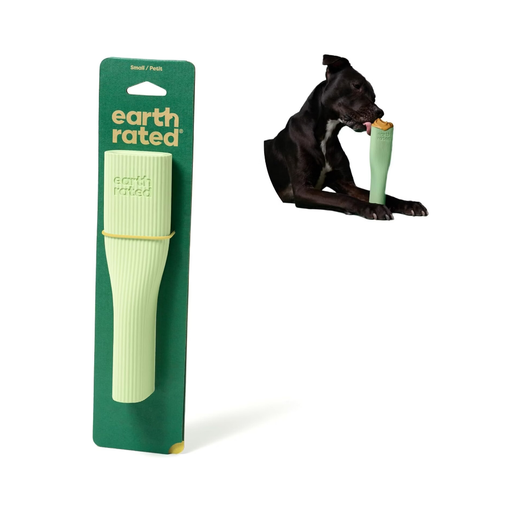
What sets it apart: A toy designed primarily for mental stimulation. Its unique shape allows the dog to hold it securely between its paws, and its hollow centre can be filled with treats to make the fun last longer.
Key features:
Who is it for? A must-have for puppies and small dogs that need mental stimulation. It's the perfect tool for owners who want to channel their pet's energy in a constructive way.
Chew or puzzle toys are perfect for stimulation, but every dog is unique. If yours is more the type to seek comfort and cuddles, a plush or soft toy will likely be more suitable.
To discover cosier alternatives, explore our selection of plush and other soft toys.
Discover our plush and soft toys for dogs
Check that the toy is appropriate for your dog's size and jaw strength to eliminate any choking hazard. Favour materials known for being durable and non-toxic, such as dense natural rubber or nylon. Remember to inspect the toy regularly and throw it away at the first sign of weakness (cracks, pieces breaking off).
There's no hard and fast rule! It all depends on the toy's durability and your dog's determination. The important thing is to check the condition of their pet supplies every week. Don't hesitate to replace any toy that shows cracks, damaged parts, or excessive wear that could make it dangerous.
The key is a gradual and positive approach. Leave the dog crate open in a living area with a cosy blanket inside. Encourage your dog to enter on their own by hiding treats or their favourite toy inside. At first, close the door for just a few seconds, then increase the duration very gradually. The goal is simple: your dog should see their crate as a safe and reassuring haven.