
Livraison le jour même ou le lendemain

Qualité garantie

Débloquez vos offres de bienvenue: Livraison GRATUITE | Jusqu'à -80 % | 30 jours d'essai gratuits à JoyPlus
Téléchargez l'application
Finding the right DJI drone can feel overwhelming. With ever-expanding product lines, technical jargon, and constantly changing regulations, making the right choice is tough. Whether you're a curious hobbyist, a seasoned content creator, or an imaging professional, buying a drone requires careful consideration.
This guide is here to help. We'll break down the essential criteria to consider before you buy and present our selection of the must-have DJI models for 2026, each designed for specific use cases.
Before diving into our top picks, let's review the three key criteria that will truly guide your decision.
Across the European Union, a drone's weight is the most critical factor when it comes to regulations.
A drone with a 4K camera has become the standard today, but the final image quality primarily depends on the sensor size. A larger sensor (like the 1-inch CMOS on the Air 3S or the 4/3 sensor on the Mavic 4 Pro) captures more light, ensuring better low-light performance and a wider dynamic range for richer, more nuanced colours. Also, don't overlook video features like HDR, which is essential for preserving detail in both the brightest and darkest areas of the image.
Good battery life is your ticket to flying with peace of mind. A long-battery-life drone gives you the time to perfect your shots without the stress of a low battery. This is precisely where the Fly More Combo comes into its own. Offered for most DJI models, it includes extra batteries, a multi-charger, spare propellers, and a carrying bag. It's an investment that quickly pays for itself compared to buying accessories individually, especially for frequent flyers.
We have selected three flagship models, each tailored to a specific user profile.
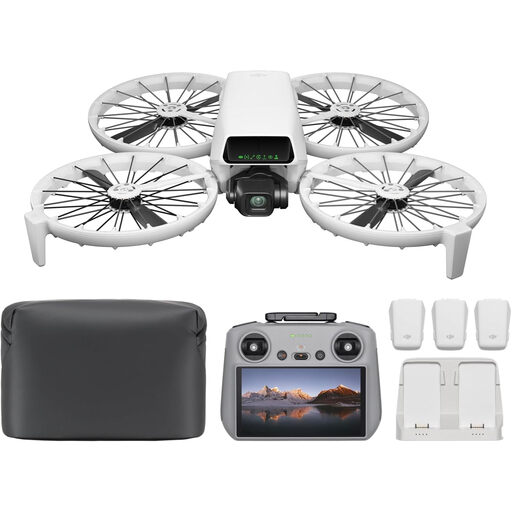
Why it stands out: The DJI Flip is all about safety and simplicity. With its integrated propeller guards and feather-light 249-gram weight, it's perfect for new pilots and benefits from the most lenient regulations (C0).
Key Features:
Who is it for? It's the ideal choice for getting started with a reliable and safe beginner drone. It will also delight families and travellers who want to capture their adventures without worrying about administrative hurdles.
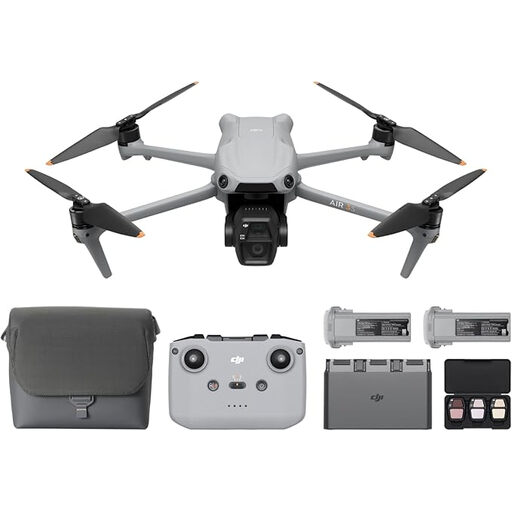
Why it stands out: The DJI Air 3S strikes the perfect balance between a compact design and top-tier image quality. Its large 1-inch CMOS sensor works wonders in low light, a decisive advantage for capturing stunning sunrises and sunsets.
Key Features:
Who is it for? The Air 3S is the dream tool for demanding content creators and travel photographers ("prosumers") who want superior image quality and long battery life in a package that still fits in a backpack. It's the ultimate all-around travel drone.
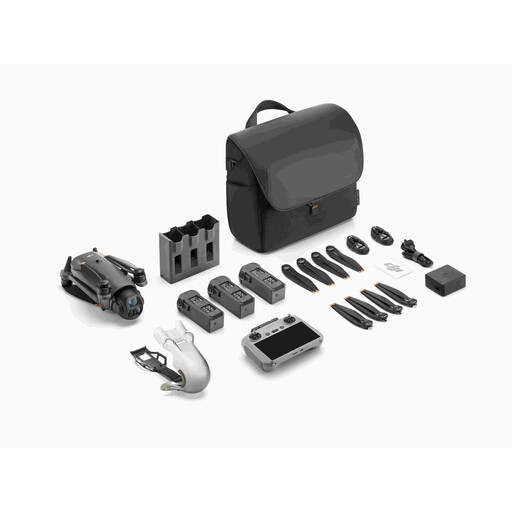
Why it stands out: The DJI Mavic 4 Pro is in a league of its own: it's a true flying production studio, built for professionals. Its triple-camera system, featuring a main Hasselblad camera with a 4/3 sensor, delivers unparalleled image quality and flexibility for commercial productions.
Key Features:
Who is it for? This professional drone is aimed at photographers, videographers, and agencies looking for the ultimate tool for their commercial projects, inspection missions, or mapping assignments.
Our selection already covers a wide range of uses, but the world of drones doesn't stop there. If your priority is an immersive flight experience and pure speed, other models will better suit your needs.
For fans of FPV (First Person View) flying, check out our selection of high-speed drones and discover models built for adrenaline.
For a beginner, the DJI Flip is the logical choice. Its feather-light weight of under 250 grams allows it to benefit from the most lenient regulations in the EU. Its integrated propeller guards are a real safety bonus, a detail that makes all the difference for practising stress-free during your first flights.
The answer is a resounding yes, in almost every case. If you plan to fly for more than 30 minutes per session, this combo is simply essential. It typically includes two extra batteries, a hub to charge them sequentially, spare propellers, and a carrying bag. Buying these items separately would be much more expensive. It's a quickly recouped investment that multiplies your flight time and convenience.
Here are the golden rules to follow:
One last piece of advice: before every flight, make it a habit to check the DGAC (French Civil Aviation Authority) website and the Géoportail map to stay updated on the latest regulations and authorised flight zones.