
Livraison le jour même ou le lendemain

Qualité garantie

Débloquez vos offres de bienvenue: Livraison GRATUITE | Jusqu'à -80 % | 30 jours d'essai gratuits à JoyPlus
Téléchargez l'application
Whether you're putting up a shelf, adjusting a brake cable, or training a climbing plant, having the right tool on hand is essential for life's small repairs. It's frustrating to be stumped by a single stubborn screw, and calling a professional for a minor task can quickly become expensive. Building your own DIY & repair tool kit is a move that's as cost-effective as it is rewarding.
Our goal? To help you choose practical and effective tools—the ones you'll actually use—without cluttering your space with unnecessary gadgets. As the Head of Product Curation at Joybuy, I'm sharing my expert advice to help you gear up smartly without breaking the bank.
Before you jump in, let's review a few key criteria for making a smart, long-lasting purchase.
A good starter DIY kit isn't just a collection of dozens of tools. It's better to start with a few high-quality essential home tools that will serve you in a multitude of situations. Think about the tasks you perform most often: hanging pictures, assembling furniture, maintaining your bike, or tending to your garden. A tool that can handle several of these needs is a smart investment.
A tool's durability is directly linked to the quality of its materials. Chrome Vanadium (CR-V) steel, for example, is a hallmark of strength for pliers and wrenches, as it resists wear and corrosion well. For measuring tools, like a small magnetic spirit level, an aluminum alloy body ensures both light weight and robustness. Don't forget that comfort and safety also depend on a good grip, made possible by ergonomic handles!
For a kit for fastening and installation, precision is king. A spirit level must provide a clear and reliable reading. Likewise, a steel cable cutter must guarantee a clean cut without fraying the strands. The little extras, like a safety lock on a pair of pliers or a magnetic base on a level, can truly simplify your daily tasks.
Here are some tools we've selected for their effectiveness and thoughtful design. They are perfect for starting or expanding your toolbox.
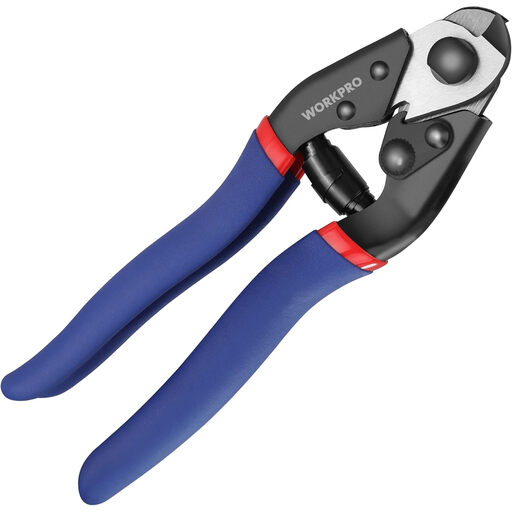
Why does this tool stand out? This cutter is built for tough materials like steel cables, bicycle brake housing, and spring wires. Its forged and heat-treated CR-V steel construction guarantees excellent strength and longevity, even with heavy use.
Key features:
Who is it for? Ideal for cyclists who perform their own bike maintenance and for DIYers working with metal cables (fencing, hanging systems, etc.). It's a staple piece of bike repair equipment.
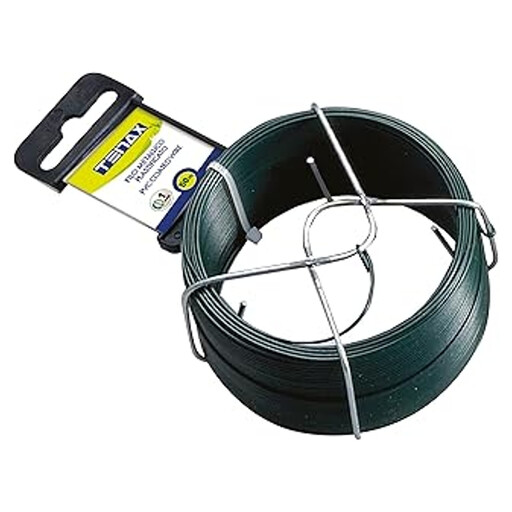
Why does this tool stand out? While not a tool in the traditional sense, this is an indispensable consumable. This green coated garden wire combines the strength of a galvanized iron core with the protection of a plastic coating. It is both durable and flexible enough to be shaped by hand.
Key features:
Who is it for? A must-have for gardeners, but also a valuable ally for anyone who enjoys manual projects or needs a quick and flexible fastening solution.
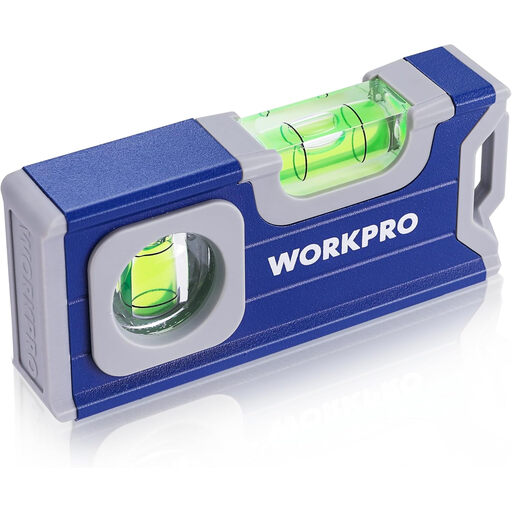
Why does this tool stand out? This small magnetic spirit level solves a common problem: lack of space. Its compact size and powerful magnetic base allow for hands-free work, even on curved metal surfaces like pipes, thanks to its V-groove.
Key features:
Who is it for? Indispensable for anyone mounting shelves, installing a washing machine, hanging pictures, or doing plumbing or electrical work. It's the clever tool to slip into any toolbox.
Some projects require more specialized equipment. For example, if you need to adjust, deburr, or smooth metal parts, a quality file will prove essential.
? Discover our selection of metal files to complete your workshop.
1. What tools do I need for a starter DIY kit? A good starting point includes a hammer, a set of screwdrivers (flathead and Phillips), a pair of slip-joint pliers, a tape measure, a utility knife, and the specific tools from this article, like a good wire cutter and a level. The goal is to be able to handle the basics: screwing, measuring, cutting, fastening, and levelling.
2. How do I maintain my tools so they last longer? A few simple steps are all it takes to extend the life of your tools. Wipe them with a dry cloth after each use. For hinged tools like pliers, a drop of lubricating oil from time to time will prevent rust and ensure smooth operation. Finally, store them in a dry place to avoid corrosion.
3. Is an all-in-one tool kit a good option? Complete tool cases are often tempting for beginners because they offer a wide variety of tools at an attractive price. Be aware, however, that the quality is often inconsistent. Building your own kit by choosing high-quality tools, like those in our selection, is a winning strategy in the long run. This way, you can be sure that every tool is a top performer for its specific job.