
Livraison le jour même ou le lendemain

Qualité garantie

Débloquez vos offres de bienvenue: Livraison GRATUITE | Jusqu'à -80 % | 30 jours d'essai gratuits à JoyPlus
Téléchargez l'application
Repairing a motorbike, redoing a plasterboard joint, maintaining the garden or preparing a hiking bag does not necessarily require a complete collection of tools. However, a poorly considered purchase can quickly become bulky, uncomfortable or even unusable after just a few jobs.
Versatile DIY and maintenance tools can cover a wide range of needs, but not all products are created equal. Here are the criteria to check before choosing a tool kit or specialist tool, along with a selection suited to different types of user.
A kit boasting an impressive number of pieces may contain several almost identical bits while missing the most useful sizes. For car or motorbike mechanics, check in particular for sockets in metric and SAE sizes, ratchets in different sizes, extension bars and adapters.
A 121-piece mechanics tool set can provide a good foundation if its contents are clearly listed. However, the total number of pieces is not enough to judge whether it is suitable: look at the balance between sockets, bits, hex keys and accessories.
A handle that slips, a blade that is too flexible or a locking button that is difficult to operate can quickly turn a simple task into a chore. The problem is particularly noticeable during prolonged jobs, such as smoothing filler, pruning or repairing a vehicle.
For hand tools, prioritise a stable grip, easily accessible mechanisms and a weight suited to the intended duration of use.
A versatile tool is only truly useful if it remains easy to access. A case without dedicated slots encourages items to get lost and sizes to become mixed up. For camping and hiking, a saw or repair tool must also remain compact, be protected when folded and avoid adding unnecessary weight to your pack.
For a set of metric and SAE sockets, chrome vanadium steel (Cr-V) is commonly used for its hardness and mechanical strength. A chrome finish makes cleaning easier and helps limit oxidation when the tools are stored properly, but it does not remove the need to wipe them down after exposure to moisture.
For wall repairs, a 160 mm filling knife made from 420 stainless steel provides a flat surface suited to applying and smoothing filler, plaster or joint compound. This width offers a good balance between precision for small repairs and efficiency when working on plasterboard joints.
Before placing your order, check the sizes you will actually use for your jobs:
The compatibility between the sockets, ratchets, extension bars and adapters should be clearly stated by the seller.
Every cutting tool should have a reliable closing or locking system. For a folding garden saw, check that the blade remains securely locked both when open and when closed. When using a filling knife, wear suitable gloves and eye protection when scraping or sanding.
Regulatory compliance cannot be verified from a simple photograph or marketing claim. Consult the product information, warnings, the identity of the manufacturer or the responsible person in the European Union, along with the instructions for use. A tool must never be used for anything other than its intended purpose: a filling knife is not designed for food preparation and must not be used on live electrical components.
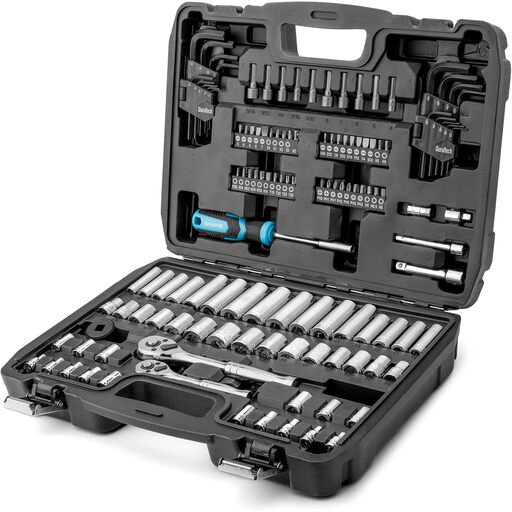
Why this choice suits this profile : This kit brings together metric and SAE sockets, two ratchets, bits, hex keys and extension bars. It provides a solid starting point for routine maintenance on a car, motorbike or small items of equipment.
The contents are listed by category and stored in a case, helping to limit duplicates and prevent small accessories from getting lost.
Cr-V steel, 1/4" and 3/8" drives, clearly marked sockets and a stated weight of 4.5 kg.
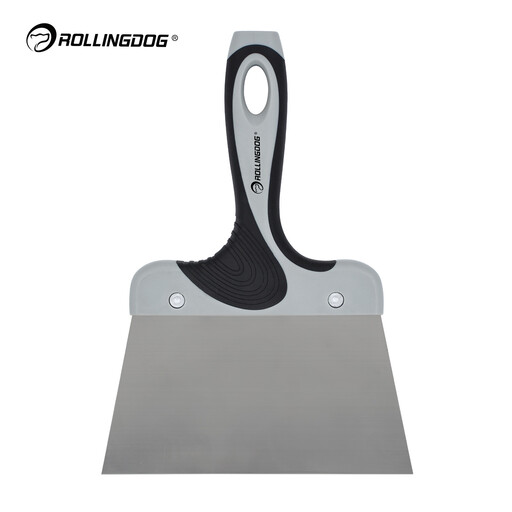
Why this choice suits this profile : Decorators and discerning DIYers will appreciate its flat 160 mm blade, designed for applying, smoothing, levelling or removing materials from walls and plasterboard joints.
The blade width and intended use are clearly specified. That means you will not end up with a small scraper for covering long joint lines.
Polished 420 stainless steel blade and ergonomic handle covered in rubber.
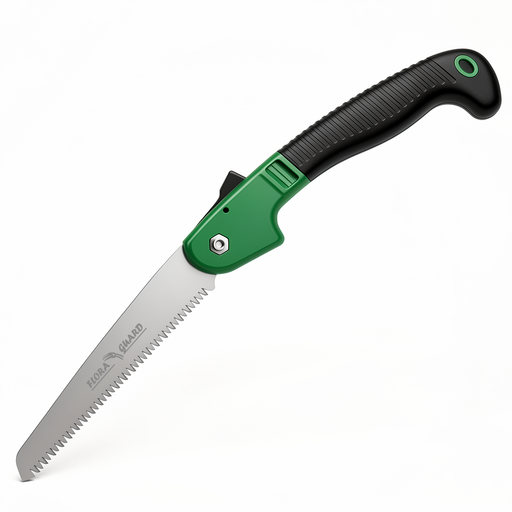
Why this choice suits this profile : This portable pruning saw is aimed at gardeners, campers and hikers who want to cut small branches, clear a path or supplement their outdoor gear.
Its folding design reduces bulk and protects the blade during transport. Just remember to check the lock before every cut.
17.8 cm blade, TPR handle and folding design for gardening and outdoor activities.
We have put together a complete, real-time updated list of products that meet these demanding selection criteria and European safety requirements.
A few simple habits can help keep your repair and DIY tools in good condition for longer:
Service life depends on frequency of use, storage conditions, the material being worked on and the force applied. A folding saw used on damp wood does not require the same maintenance as a tool kit kept in a dry workshop.
A starter kit should include, at a minimum, metric sockets, a suitable ratchet, extension bars and several bits. SAE sizes can also prove useful for certain imported vehicles or older mechanical systems. Above all, check the precise list of sizes rather than relying solely on the number of pieces.
Remove the filler immediately after use, rinse the blade with a suitable product, then dry it thoroughly. Store it in a dry place and regularly check that the handle is firmly attached. A deformed blade may leave an uneven finish.
It can complement camping or hiking equipment thanks to its compact design. However, it is still intended for cutting branches, wood or other compatible materials specified by the manufacturer. Before carrying it, make sure the blade is completely folded away and securely locked.