
Livraison le jour même ou le lendemain

Qualité garantie

Débloquez vos offres de bienvenue: Livraison GRATUITE | Jusqu'à -80 % | 30 jours d'essai gratuits à JoyPlus
Téléchargez l'application
A home DIY project often starts with a small purchase: a DIY tool, an insulation solution, a rope for the garden, or a few storage accessories. Yet a product that's the wrong size, or chosen purely for its price, can quickly prove unusable, damage a surface, or force you to buy a second solution.
To choose DIY and maintenance accessories that are right for a British home, it's best to check the intended use, dimensions, materials, and installation conditions. Here are the main pitfalls to avoid, followed by a selection tailored to different user profiles.
A glue gun may work on cardboard, wood, or certain plastics. That doesn't mean it will replace an adhesive designed for surfaces exposed to moisture, high temperatures, or significant mechanical stress. Similarly, a natural jute rope can be used to tie plants or decorate a basket, but it isn't designed to suspend heavy loads.
Before ordering, define the task precisely: fixing, holding, insulating, protecting, or decorating. This thought process stops you paying for features you'll never use.
Small accessories are particularly affected. An insulating seal for a garage door designed for gaps of 2 to 15 mm won't be as effective against a wider or uneven gap. A rubber door wedge also needs a height and depth compatible with both the door and the floor.
Measure the area before buying, at several points if the opening isn't regular. For insulation strips, also calculate the total length to cover and add a small margin for cutting.
Adhesive furniture pads and drill-free adhesive hooks depend directly on the condition of the surface. Dust, grease, moisture, or flaking paint can significantly reduce adhesion. Fitting them too quickly can cause them to fall, leave a mark, or shift the furniture.
Clean the surface, let it dry, then follow the manufacturer's recommended pressing time and waiting period. For small adhesive items, avoid rough, unstable, or heavily stressed surfaces.
The material must be suited to where the accessory will be used. Rubber is ideal for wedges and anti-slip protectors, while felt helps limit scratches and noise under furniture legs. Natural jute fibre adds a rustic touch to craft projects and can be used for tying plants.
For outdoor use, for example in the garden or to create a support for climbing plants, check the storage instructions. When not in use, natural rope should be kept dry to slow down its deterioration.
A genuinely useful product page should specify the length, diameter, number of pieces, or size range. For example, a reel of rope 50 m long and 2 mm in diameter will be handy for several small projects, but shouldn't be confused with a lifting rope.
For hooks and adhesive pads, check the maximum recommended load. These accessories are generally designed for light objects or static use, unless stated otherwise. Don't use them to hold unstable furniture or a load positioned above a walkway.
Power tools and heating tools require special attention. A 10 W glue gun running on 230 V must be kept away from flames and placed on a stable surface during and after use. Small parts, such as pads and nozzles, should be kept out of reach of young children and pets.
For fixing equipment, also check the instructions regarding compatible surfaces, drying time, and removal. These precautions are part of normal product use and do not replace the manufacturer's instructions.
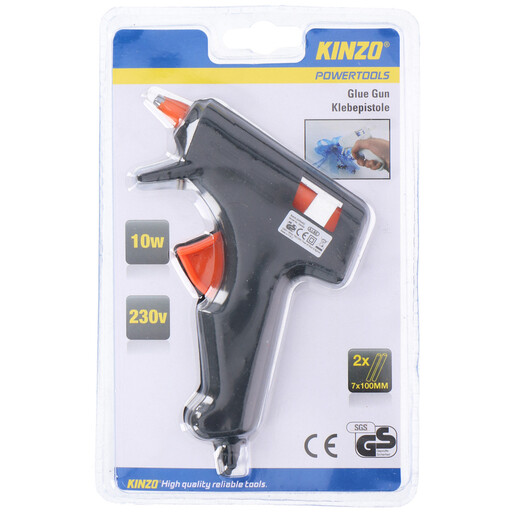
Why this choice suits this profile: Compact and supplied with two glue sticks of 7 × 100 mm, it's ideal for small repairs, decoration, and occasional creative projects around the house.
Its clearly stated 10 W power and format mean you can reserve it for light tasks, rather than mistaking it for a tool suitable for all repairs.
230 V power supply, lightweight design, two sticks included, and compatibility stated with wood, cardboard, metal, stone, and certain plastics.
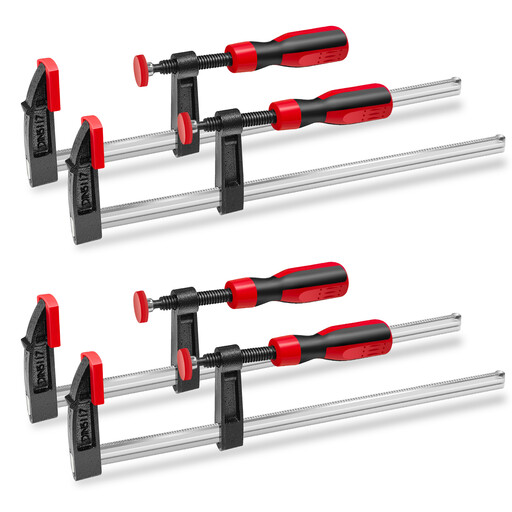
Why this choice suits this profile: DIYers who regularly do assembly work, metal projects, or handicrafts will appreciate this set of four clamps rather than a single accessory sold individually.
The number of pieces and the type F mechanism are clearly stated, making it easy to compare with the dimensions and pressure your project requires.
Four pieces, quick-release mechanism, and one-handed operation stated for manual work and holding components in place.
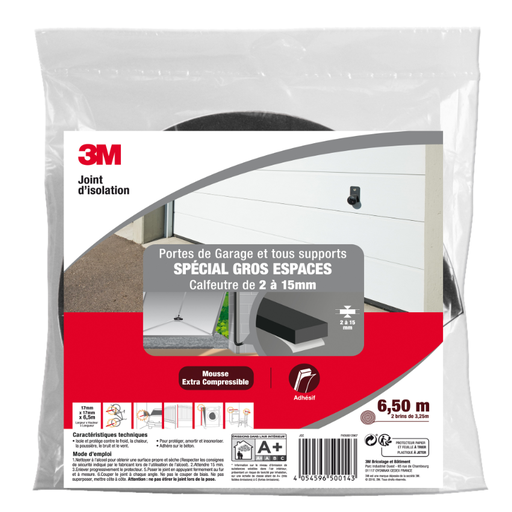
Why this choice suits this profile: People who want to insulate a garage door, door, or window with a relatively wide gap now have a cuttable strip of 6.50 m at their disposal.
The 2 to 15 mm range is stated: you can compare it with your measurement before installation, rather than assuming the same strip fits all openings.
Flexible polyurethane foam, grey colour, total length of 6.50 m, and design stated for large gaps.
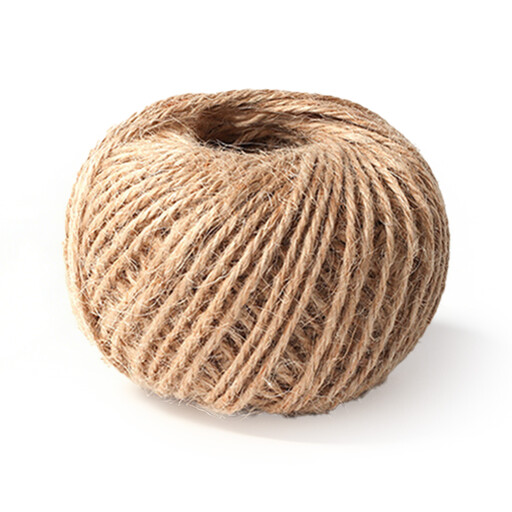
Why this choice suits this profile: This reel is aimed at those who move from staking plants to wrapping, braiding, or creating decorative items with a natural look.
The 2 mm diameter and natural jute composition are specified: they allow you to reserve the rope for the light, decorative uses it's intended for.
50 m roll, twisted texture, natural fibres, and easy cutting with scissors for handicrafts and the garden.
We've put together a comprehensive, real-time updated list of products that fully meet these strict selection criteria and European safety regulations.
To round out a tool kit, a few solutions can meet very specific needs:
The price varies depending on the material, quantity, and level of technicality. Pads, hooks, and wedges generally remain affordable, while a set of clamps or an insulation solution meets a more specific need. Always compare the price per piece, per metre, or per set.
Clean and dry the surface before fitting, apply even pressure, then wait the recommended time before loading the accessory. Avoid dusty, damp, or very uneven surfaces. For furniture pads, check their position regularly and replace them as soon as they come loose or show signs of wear.
No. It's mainly suited to light assembly, craft projects, and certain decorative repairs. Check the compatibility between the glue, the material, and the demands of the project. For a load-bearing part exposed to heat or water, choose a fixing method explicitly designed for those conditions.