
Livraison le jour même ou le lendemain

Qualité garantie

Débloquez vos offres de bienvenue: Livraison GRATUITE | Jusqu'à -80 % | 30 jours d'essai gratuits à JoyPlus
Téléchargez l'application
Renovating a room without dust, liquid glue or endless mess is now within everyone's reach, thanks to DIY adhesive products for the home. Adhesive wall tiles, self-adhesive splashbacks, floor transition strips and repair tape make it quick and easy to transform any interior.
But be warned: peel-and-stick application alone doesn't guarantee a lasting result. An unprepared surface, rough measurements, or using a product in an unsuitable environment can lead to peeling, bubbles and costly touch-ups. Here's what to check before you place your order.
An adhesive may stick perfectly to a smooth, dry surface, only to peel off a porous, dusty or uneven wall. Textured walls, flaking paint and damp surfaces seriously complicate installation.
Before you start, check that the product is compatible with the surface in question: paint, glass, metal, tiles, wood, PVC or smooth plaster. In every case, the surface must be clean, degreased and completely dry.
A self-adhesive splashback may be fine for a wall behind a worktop, but that doesn't mean it's suitable for a shower or an area exposed to constant water run-off. Art3d wall stickers, for example, are designed for kitchens and bathrooms, but not for the inside of a shower cubicle.
The heat from a hob also deserves your full attention. Always follow the manufacturer's recommendations and avoid areas directly exposed to flames or high temperatures.
A transition strip that's too short will force you to create multiple visible joins. On the other hand, a roll of self-adhesive mirror mosaic tiles may contain a large number of small pieces and require more time to position correctly.
Measure the length and width of the area you need to cover, add a small margin for cutting, then compare the result with the dimensions stated on the product page.
For easy application without extra glue, the surface generally needs to be smooth, clean, dry and stable. Remove any grease with a suitable cleaner, dust thoroughly, and wait until the surface is completely dry before peeling off the protective film.
A few DIY application tools can make all the difference: a soft squeegee to push out bubbles, a firmer squeegee for pressing down thicker coverings, a craft knife for edges, and a tape measure for accurate sizing.
Always check the dimensions of each item and the quantity included:
For corners, sockets and skirting boards, allow for precise cutting. A craft knife with a locking blade and a tape measure will be particularly useful.
PVC is used in several transition strips, with a wood-effect finish. It can be cut with scissors and cleaned with a damp cloth. The wall tiles are made from vinyl with a gel top layer, while the mosaic uses genuine mirror glass with smoothed edges.
Maintenance depends on the use: avoid abrasive products on decorative surfaces and don't soak a recent installation. Depending on the product, you may need to wait up to 48 hours for the adhesive to set before any cleaning or significant contact with water.
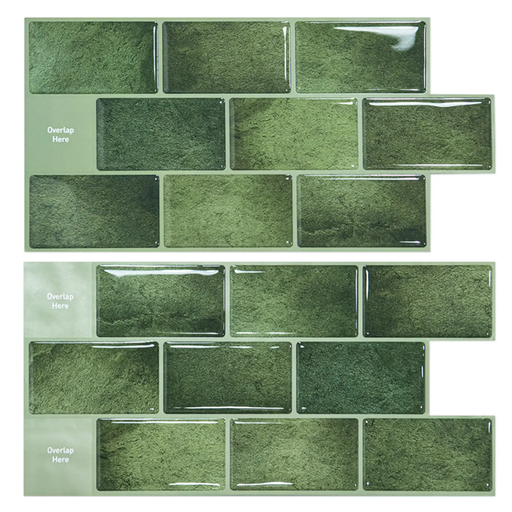
Why this choice suits this profile: the 30 × 30 cm panels let you quickly cover a small splashback or feature wall, with no mortar or specialist tools needed.
The product page clearly states usage limits and excludes areas with constant water contact, preventing unsuitable installation.
10 panels, a textured vinyl surface and easy cleaning with a damp cloth.
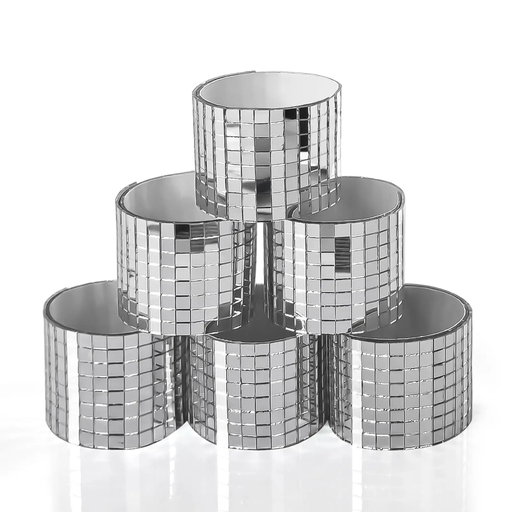
Why this choice suits this profile: the silver mirror finish is ideal for frames, feature walls, creative projects and spaces that need a strong visual impact.
Dimensions are given per roll and the total number of pieces is stated, making project calculations straightforward.
Genuine mirror glass, smoothed edges and a self-adhesive backing that requires no separate glue.
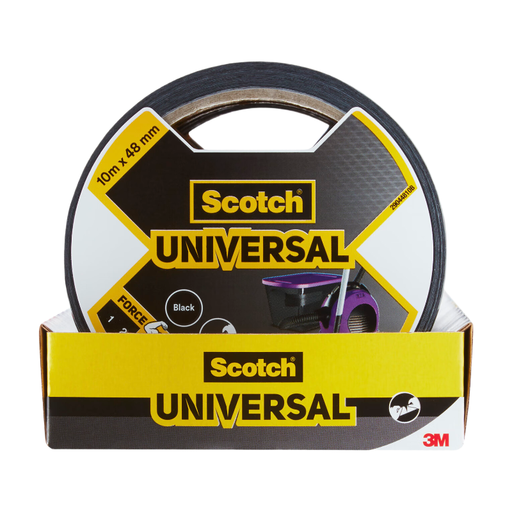
Why this choice suits this profile: this 48 mm wide repair tape is suitable for everyday repairs, bundling cables and certain indoor sealing jobs.
The product page states indoor use and notes that the tape is not designed to be removed cleanly. So there's no risk of mistaking it for a temporary adhesive.
10 m length, reinforced textile and polyethylene backing, and hand-tearable.
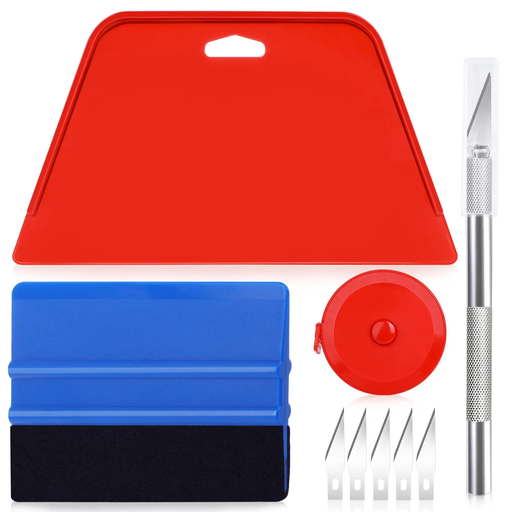
Why this choice suits this profile: this kit brings together all the accessories you need to apply wallpaper, vinyl tiles or window film with greater precision.
The squeegees and built-in tape measure help minimise bubbles, rough cuts and misaligned joins.
Two silicone squeegees, a locking craft knife, four spare blades and a 1.5 m tape measure.
We've put together a comprehensive, real-time selection of products that meet these strict criteria and comply with European safety regulations.
No. The wall must be smooth, clean, dry and sufficiently stable. A powdery, very rough surface or one covered in flaking paint can prevent the adhesive from sticking. If the surface is old or questionable, test a small area before you go ahead.
It depends on the level of foot traffic, cleaning, floor flatness and surface preparation. Applying it to a dry, degreased surface with even pressure reduces the risk of lifting. Also check that the strip is suitable for the intended indoor use.
Double-sided adhesive tape is suitable for discreet fixing on certain surfaces such as glass, metal, tiles or painted walls. Check the stated maximum load, the type of surface and whether the adhesive is permanent. For repairs or bundling cables, choose a wider, reinforced repair tape instead.