
Livraison le jour même ou le lendemain

Qualité garantie

Débloquez vos offres de bienvenue: Livraison GRATUITE | Jusqu'à -80 % | 30 jours d'essai gratuits à JoyPlus
Téléchargez l'application
Baby wipes make nappy changes, outings and everyday washing easier. But not all wipes are suitable for the same uses. A wipe for skin isn’t suitable for disinfecting a table, while a disinfectant wipe must never be used on a baby. It’s worth checking the material, formula, pack size and disposal instructions before you buy.
Water wipes for babies are generally made mostly of water. That doesn’t mean they contain only water: cleansing agents, preservatives or plant extracts may also be included.
If your child has reactive skin, check the INCI list and look for a formula that’s fragrance-free, alcohol-free and contains few ingredients. The term hypoallergenic indicates that a formula has been designed to reduce the risk of an allergic reaction, but it doesn’t guarantee that it won’t irritate every user.
Wipes described as biodegradable or made from plant fibres shouldn’t automatically be flushed down the toilet. Most nappy wipes should go in the bin, in line with the manufacturer’s instructions.
Even if a product is advertised as flushable, check the instructions, any certification mentioned and the recommendations of your local water company. If in doubt, follow one simple rule: never flush standard wipes down the toilet.
Disinfectant wipes are designed for surfaces, not for a child’s face, body, hands or bottom. Products containing a biocide, such as didecyldimethylammonium chloride, must be used according to the label, including the contact time, any rinsing instructions and the surfaces they can be used on.
For personal hygiene, choose wipes specifically designed for cleansing the face and body. For an adult who needs assistance or is incontinent, no-rinse adult wipes meet a different need from nappy wipes.
For newborns and sensitive skin, look for a formula that is:
Some wipes made from natural or regenerated fibres carry certifications such as FSC, COSMOS NATURAL or OEKO-TEX. These labels don’t all cover the same criteria, so check exactly what each one certifies.
A wipe that’s too thin may mean you need several for one nappy change. A thick or extra-large wipe, on the other hand, can be more convenient for washing an adult, but less suited to a small changing bag.
Compare:
A pack of ten wipes is easy to keep in a changing bag, car or pocket when you’re travelling. A pack of 216 or 864 helps cut down on repeat purchases, but needs more storage space and regular use.
For the face, body and nappy changes, choose a product intended for personal care. For a changing table, toy or worktop, use only a surface wipe that’s suitable for the material in question.
Products described as eco-friendly wipes or biodegradable wipes may reduce plastic use, depending on their composition. Their impact also depends on how they’re made, their packaging and how they’re disposed of. A plant-based fibre isn’t necessarily suitable for home composting. In all cases, don’t flush wipes down the toilet unless this is explicitly stated and can be verified.
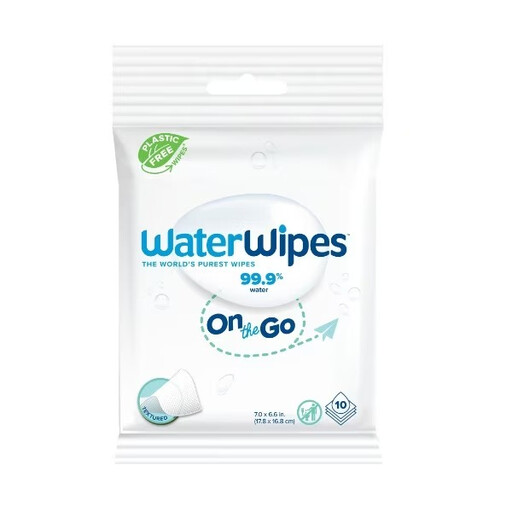
Why this is a good choice for this need : Its handy pack of 10 fits in a bag, car or travel pocket, so you don’t have to buy a large pack straight away.
The product listing states that the fragrance-free formula has two main ingredients and the wipes are made from plastic-free viscose. Used wipes should be put in the bin.
A travel-friendly size, with no fragrance or artificial colourants according to the product listing. The manufacturer says they’re suitable for newborns and premature babies.
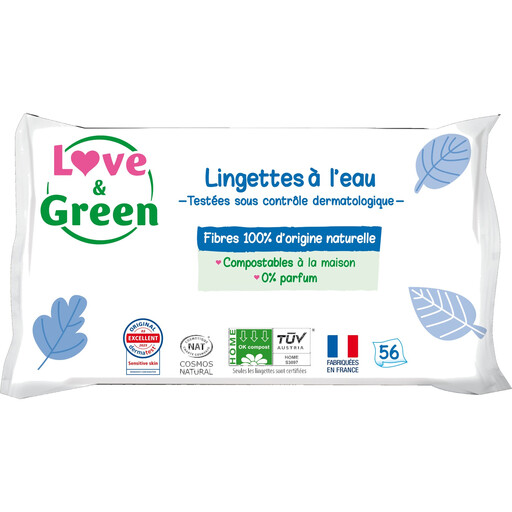
Why this is a good choice for this need : This pack is for parents looking for a short ingredients list, a plastic-free wipe material and packaging that’s recyclable according to the product information.
The product listing states that it contains six ingredients, has a fragrance-free formula, is 0% plastic and is certified COSMOS NATURAL by ECOCERT. However, these wipes shouldn’t be flushed down the toilet.
56 wipes made from FSC-certified fibres of natural origin, with the manufacturer stating they’re suitable from birth for the face, body and nappy changes.
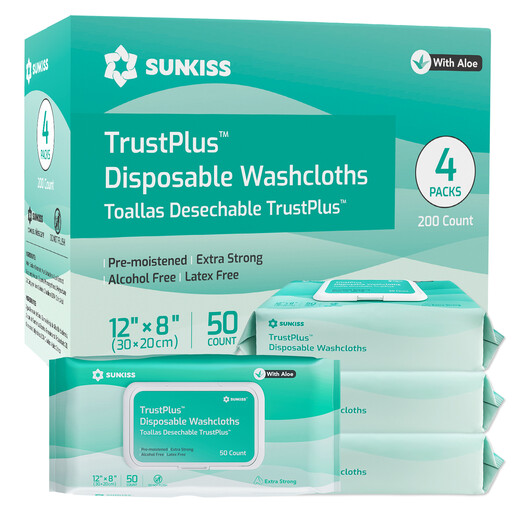
Why this is a good choice for this need : The extra-large size is suited to carers and anyone looking for a no-rinse body wash, particularly in cases of incontinence or reduced mobility.
This is a personal care product, quite different from disinfectant wipes for surfaces. The product listing states that the formula is fragrance-free, alcohol-free and latex-free.
Each wipe measures approximately 20 × 30 cm and the pack contains 200 wipes. The flip-top lid helps keep them moist between uses.
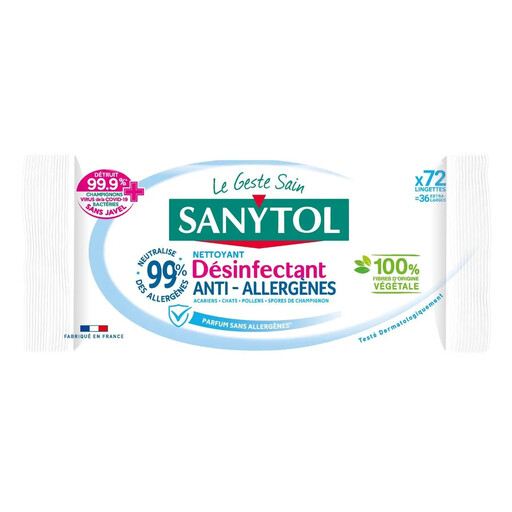
Why this is a good choice for this need : This pack suits households looking to quickly clean washable surfaces, especially around children or pets.
The product listing states that these wipes are for surfaces only and that rinsing is required after treating toys and surfaces that come into contact with food, babies or pets.
72 wipes with a formula described as biodegradable. According to the product listing, the claimed effectiveness is based in part on the EN14476 standard and the manufacturer’s information.
We’ve put together a complete, regularly updated list of products that meet these strict selection criteria and European safety regulations.
They can be handy, but water and a reusable cotton pad are also good options. If your baby’s skin is irritated, avoid scented products, follow the instructions on the packaging and stop using the wipes if a reaction occurs. Persistent irritation should be discussed with a medical professional.
Close the lid or resealable sticker carefully after each use. Follow the date on the packaging and the manufacturer’s recommendations. Some product listings specify how long wipes can be used after opening, for example three months for certain products. Don’t use a pack if the wipes have dried out, changed in appearance or developed a different smell.
Yes, but only if the label says they can be used on that surface. Then follow the contact time and any rinsing instructions, especially for a surface that comes into contact with a baby. These products are for surfaces only and aren’t a substitute for nappy wipes.