
Livraison le jour même ou le lendemain

Qualité garantie

Débloquez vos offres de bienvenue: Livraison GRATUITE | Jusqu'à -80 % | 30 jours d'essai gratuits à JoyPlus
Téléchargez l'application
For nappy changes, washing or family outings, baby wipes can save you a lot of time. However, not all wipes meet the same needs. A fragranced formula may not suit sensitive skin, a wipe that’s too thin could tear, and a product labelled “ biodegradable ” should not necessarily be flushed down the toilet.
Before you buy, take the time to check the ingredients, pack size, strength and disposal instructions. Here are the points to consider when choosing baby wipes for sensitive skin, dry wipes or wipes suitable for the whole family.
The 99% water wipes claim refers to the proportion of water stated by the manufacturer, but you should still check the ingredients list. Moisturisers, preservatives and pH adjusters may also be included.
For a newborn, look for a product with a clearly displayed ingredients list. If you’re after the simplest formula possible, choose fragrance-free baby wipes with no colourants or alcohol. If your baby has sensitive skin, test the wipes on a small area first and stop using them if any redness or irritation occurs.
A thick wipe isn’t automatically more practical: if it’s not moist enough or is difficult to unfold, it could even make cleaning harder. By contrast, a wipe that’s moist and strong enough can clean effectively with fewer wipes.
So consider several factors at once : thickness, moisture level, size and tear resistance. A dense texture is useful for particularly messy nappy changes, while a smaller wipe may be perfectly adequate for hands or faces.
Standard wipes, including those made from plant fibres, should not be flushed down the toilet. The labels biodegradable or plastic-free don’t automatically mean “ safe to flush ”.
Biodegradable toilet wipes should carry a specific indication and be used in accordance with the manufacturer’s instructions. Even then, it’s best to flush only one wipe at a time and follow your local wastewater network’s guidance.
For everyday cleaning, look for fragrance-free wipes with a clearly detailed formula. The term “ hypoallergenic ” on baby products is a claim made by the manufacturer : it doesn’t guarantee that no child will have a reaction.
Cotton baby wipes and wipes made from plant fibres can feel different depending on how they’re woven. Washable cotton wipes are a good choice for families looking to reduce waste, while disposable wipes are often more convenient when you’re out and about.
A travel pack, for example one containing 60 wipes, fits easily into a changing bag. A family-size pack, such as 12 packs of 80 wipes, means fewer repeat purchases and can be convenient for nappy changes at home.
Also consider the closure. A lid or flap that closes securely helps keep the wipes moist. For some purposes, however, a dry wipe or absorbent baby cloth may be preferable : for drying, water-only washing or cleaning your baby’s face.
Washable baby wipes made from cotton can be reused after washing and are suitable for nappy changes, quick washes or cleaning hands. However, you’ll need enough wipes, suitable laundry detergent and time to dry them thoroughly.
Dry baby wipes are particularly versatile : simply dampen one with clean water when you need it. They can also be used as baby face wipes or for gentle washing, without having to carry a damp lotion in your bag.
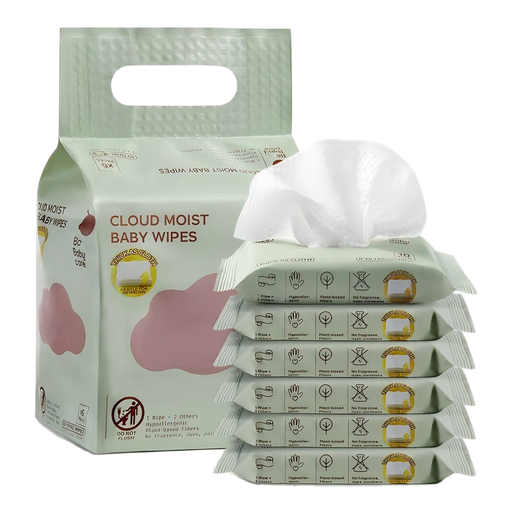
Why this suits this type of shopper : This small pack is a handy way to try the format or stock a changing bag without committing to a large pack straight away.
The manufacturer states that the formula is fragrance-free and that the wipes should not be flushed down the toilet.
60 wipes, a formula stated to contain 99% purified water, plant fibres and OEKO-TEX certification as stated by the manufacturer.
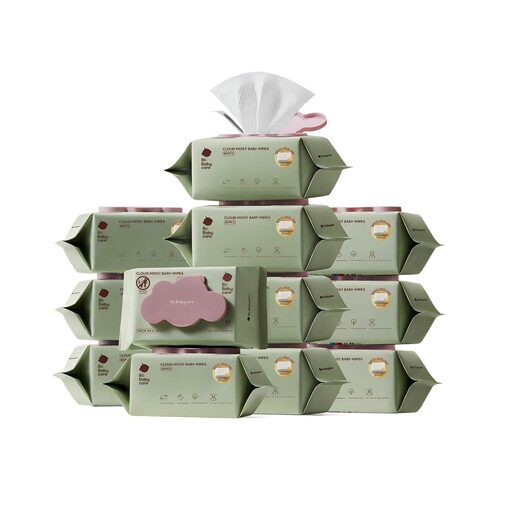
Why this suits this type of shopper : This large multipack and texture, stated to be three times thicker than standard wipes, are ideal for families who prioritise comfort and convenience at home.
The product details specify a fragrance-free formula and clearly state that these disposable wipes are not suitable for flushing.
960 wipes, a formula stated to contain 99% purified water, plastic-free plant fibres and OEKO-TEX certification as stated.
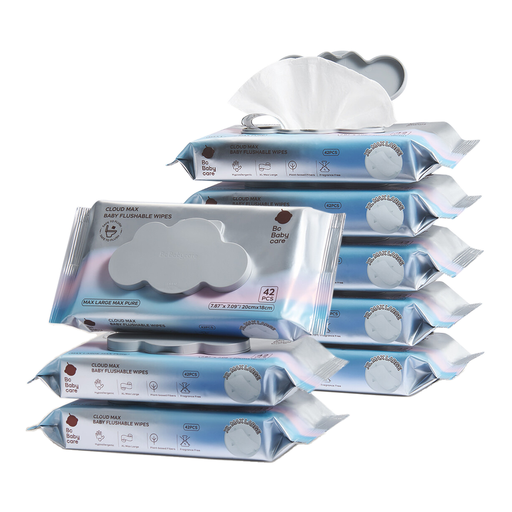
Why this suits this type of shopper : The extra-large pack is suitable for potty training and the needs of the whole family, from young children to adults.
The product details mention IWSFG flushability certification and specify that you should flush only one wipe at a time, unlike standard wipes.
336 wipes, plant fibres, stated to be fragrance-free and an XL size suited to personal hygiene.
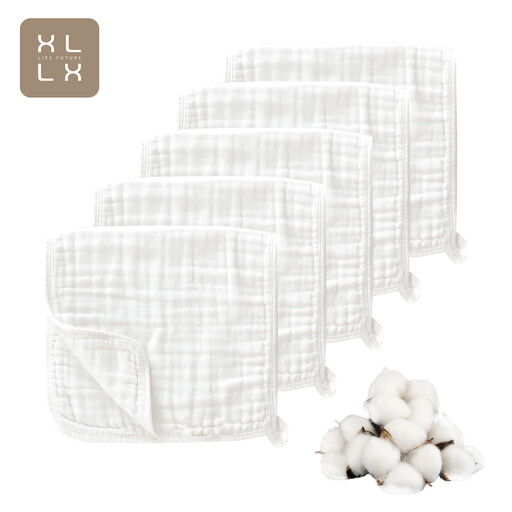
Why this suits this type of shopper : These cotton cloths are ideal for parents who want to switch between water-only washing, drying and reusing them at home.
Washable and reusable, these cloths don’t rely on damp lotion or a closure system for each use.
100% cotton, stated to have six layers, five cloths measuring 30 × 50 cm and machine washable at 40 °C, as stated.
We’ve put together a comprehensive, real-time updated list of products that meet these strict selection criteria and European safety regulations.
Yes, you can use wipes at every nappy change. At times, however, washing with water and cotton wool, or using a dry wipe dampened with water, may be preferable. The right choice depends on your baby’s skin sensitivity and your family’s routine. Fragrance-free formulas are often preferred when you want to limit unnecessary ingredients.
Shelf life depends on the date shown on the packaging and how the wipes are stored. A pack that’s properly closed and kept in a cool, dry place will help the wipes retain their moisture. Don’t use a product that has dried out, changed colour or developed a different smell.
Not always. Biodegradable wipes or wipes made from plant fibres should go in your household rubbish unless the packaging explicitly states that they’re designed to be flushed. For wipes labelled as flushable, follow the instructions to flush only one at a time, as well as any local guidance.