
Livraison le jour même ou le lendemain

Qualité garantie

Débloquez vos offres de bienvenue: Livraison GRATUITE | Jusqu'à -80 % | 30 jours d'essai gratuits à JoyPlus
Téléchargez l'application
Whether you're travelling, heading home from the gym, on a camping weekend, or simply want to offer guests impeccable hygiene, the disposable towel has quickly become the ultimate convenient accessory. Lightweight, compact, hygienic… on paper, it ticks all the boxes. However, the market is flooded with products making misleading claims, and nasty surprises are common.
Before you fill your cart, let's review the most common pitfalls to avoid:
To make the right choice, you need to learn to read between the lines of marketing claims and decipher the technical specifications.
To find the single-use towel that won't let you down, focus on three essential technical criteria.
The material is the heart of the towel. Quality models are almost always made of non-woven plant-based fibres (viscose, cotton, bamboo). These materials guarantee great softness and, most importantly, excellent absorbency. The key indicator to watch is the grammage (expressed in g/m? or gsm). The higher it is (around 50-60 gsm), the thicker, more durable, and more absorbent the towel will be, mimicking the feel of a traditional towel.
The choice of format depends primarily on your need for compactness.
This is THE point that causes the most disappointment. Always check the towel's dimensions once unfolded. Never trust the photo on the packaging, which is often misleading.
To help you make sense of it all, here's how these criteria translate in practice with a few products we recommend, each tailored to a specific need.
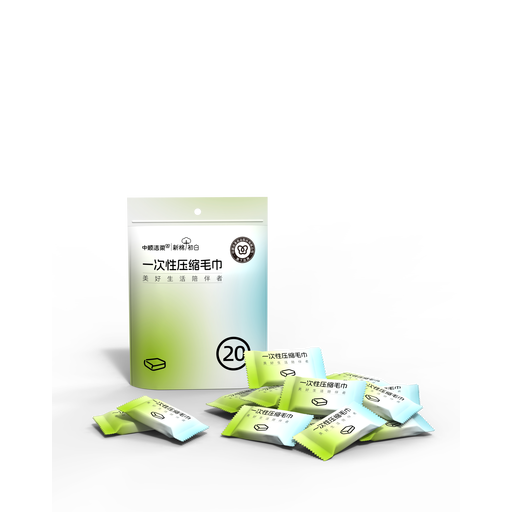
Our opinion: Perfect for short trips, the gym, or simply as a backup solution to keep in your bag. The 20-piece format covers multiple uses (hands, face) without taking up any space.
It meets a specific need (hands, face) and avoids the "fake bath towel" trap. The quality of the non-woven material ensures a snag-free unfolding, unlike cheap models that tear.
Ultra-compact tablet format and excellent value for money for various uses.

Our opinion: Designed for those who want the comfort of a real bath sheet without sacrificing precious space in a hiking or camping bag. The storage tube is a welcome bonus for staying organised.
It tackles the "mini bath towel" pitfall head-on. With its generous 70 x 140 cm dimensions, it offers perfect coverage. Its compressed format is reliable and expands quickly.
A true large-format bath sheet in a compressed version, with smart, protective packaging for transport.
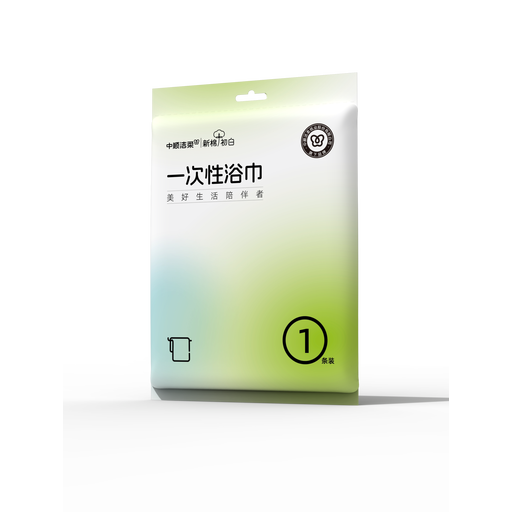
Our opinion: The perfect solution for business trips, hotel stays where you want impeccable hygiene, or for hosting guests. Ready to use, soft, and large enough for optimal comfort.
It eliminates all the hassles of a compressed towel (needing water, waiting). It's the "no-fuss" solution: immediate, hygienic, and comfortable, with no unpleasant surprises upon opening.
Large format (70x140cm), ready to use, and individually wrapped for guaranteed hygiene.
We have put together a complete and up-to-date selection of products that meet our demanding selection criteria.
As their name suggests, they are designed for a single use to ensure perfect hygiene. The most robust plant-fibre models can potentially be dried and reused for secondary tasks (like cleaning a surface), but they will lose their softness and absorbency. For your body, a single use is the golden rule.
It all depends on your priority. If every square inch of your bag is precious (hiking, backpacking), the compressed towel is unbeatable. If you prioritise speed and simplicity (late hotel arrival, after the gym), the ready-to-use folded towel will be your best bet.
The answer is nuanced. The environmental impact depends primarily on the material. A 100% plant-based biodegradable towel (cotton, viscose) will always be preferable to a product containing synthetic polymers. However, it's important to remember that their main advantage remains hygiene and convenience. To limit their impact, there's one simple rule: always throw them in the bin, and never in the toilet, to avoid clogging the pipes.