
Livraison le jour même ou le lendemain

Qualité garantie

Débloquez vos offres de bienvenue: Livraison GRATUITE | Jusqu'à -80 % | 30 jours d'essai gratuits à JoyPlus
Téléchargez l'application
Buying a box of disposable gloves? It seems simple enough. Yet, who hasn't cursed at a glove tearing mid-cleanup, an unexpected skin reaction, or a pair so poorly fitted it makes any precision task impossible? The problem? The market is flooded with options, and they are far from equal in quality.
To prevent your purchase from turning into a regrettable one, here are the common pitfalls to avoid before you check out.
Fortunately, a few key guidelines are all you need to choose protective gloves perfectly suited to your needs, whether for cooking, cleaning, or light DIY projects.
To make the right choice, three criteria are non-negotiable: the material, the presence (or absence) of powder, and, of course, the size.
Choosing the material is the first step. It determines the level of protection, comfort, and safety.
Vinyl Gloves: Made from PVC, vinyl gloves are the go-to budget-friendly solution for short, low-risk tasks. They are naturally latex-free, making them a good option for non-allergic individuals seeking basic protection for light cleaning or handling non-fatty foods. However, their durability is limited.
Nitrile Gloves: Nitrile, a synthetic rubber, is a game-changer. It offers far superior resistance to vinyl, especially against punctures, chemicals, and oils. Nitrile gloves are more elastic, providing a better fit and greater tactile sensitivity. It's the smart choice for DIY, mechanical work, heavy-duty cleaning, or for anyone with a latex allergy.
Latex Gloves: Natural latex is highly valued for its elasticity and "second-skin" feel. Its Achilles' heel? The risk of allergies, which can be severe. If you have no known sensitivities, they remain a comfortable option, but the prevailing trend favours hypoallergenic alternatives like nitrile and vinyl.
The "powder-free" label is now a mark of quality. To make them easy to put on without powder, these gloves receive a surface treatment (chlorination or a polymer coating). They are therefore the preferred choice for:
A box of gloves in the wrong size is a wasted purchase. A well-fitted glove should feel like a second skin: it shouldn't constrict your hand or be loose around your fingers. Most manufacturers offer sizes ranging from S (Small) to XL (Extra Large). When in doubt, a tape measure is all you need: measure the circumference of your palm and consult the manufacturer's size guide.
To guide you, here is our selection of tried-and-tested gloves, each suited for a specific purpose.
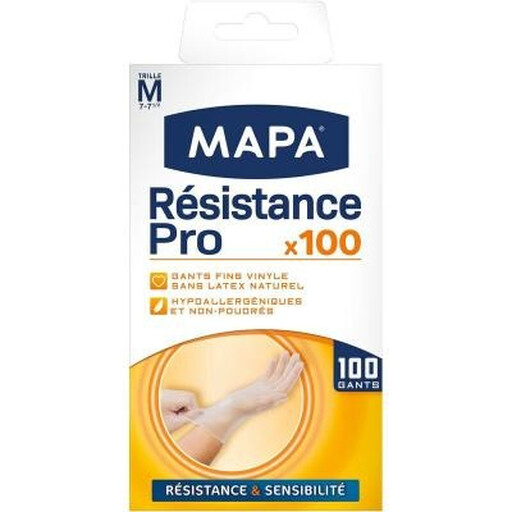
Why we love it: It's the reliable and cost-effective solution for daily household chores and meal prep. The 100-glove pack ensures you have a good supply, and its latex-free vinyl composition is suitable for many users.
It avoids the unnecessary expense of nitrile gloves for uses where vinyl is perfectly adequate. Being powder-free and latex-free, it minimises the risk of irritation and contamination.
Excellent value for money. Its versatility for daily tasks and its suitability for food contact make it an essential.
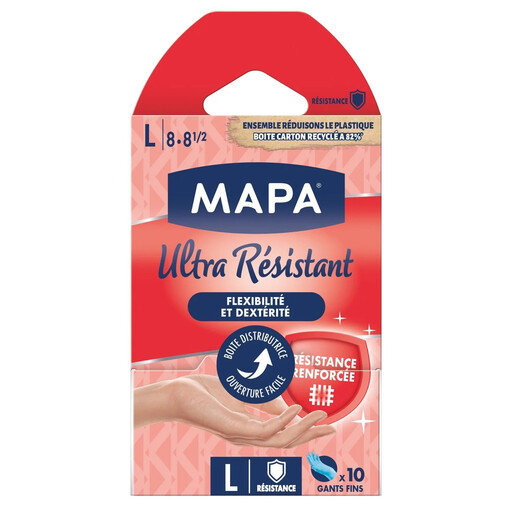
Why we love it: For tough jobs, nitrile offers unparalleled protection and durability. The textured finish ensures an excellent grip on tools, even in wet conditions.
No more tearing mid-task! Unlike vinyl, it withstands mechanical stress and certain solvents. It's the right glove for the right mission.
Very high resistance to punctures and chemicals. Textured grip for a perfect hold.
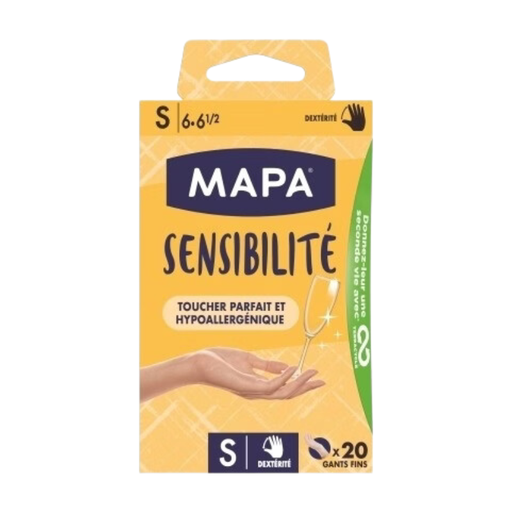
Why we love it: This model is specifically formulated to minimise the risk of reactions. Its hypoallergenic, latex-free, and powder-free composition makes it a prime choice for the most reactive skin types.
It directly addresses the problem of latex allergies and powder-induced irritation, two of the most common pitfalls for users with sensitive skin.
Certified hypoallergenic formulation. Its second-skin feel preserves excellent tactile sensitivity.
Discover our full selection of products that meet our selection criteria and current standards.
The answer is no. As their name implies, they are designed for single use only. Reusing them compromises hygiene (invisible micro-perforations can form) and their effectiveness, as the glove loses its elasticity once stretched. The golden rule: use once, then dispose.
It's crucial. The most reliable method? Take a tape measure and measure the circumference of your palm (excluding the thumb). Then, compare the measurement to the manufacturer's size guide. As a general guide:
A perfectly fitted glove is your guarantee of optimal protection and dexterity.